MAINTENANCE & RELIABILITY
Lubrication Fundamentals: Choosing the Right Grease or Oil
How to select the right lubricant for industrial equipment, and why over-greasing causes as many failures as under-greasing.
How to select the right lubricant for industrial equipment, and why over-greasing causes as many failures as under-greasing.
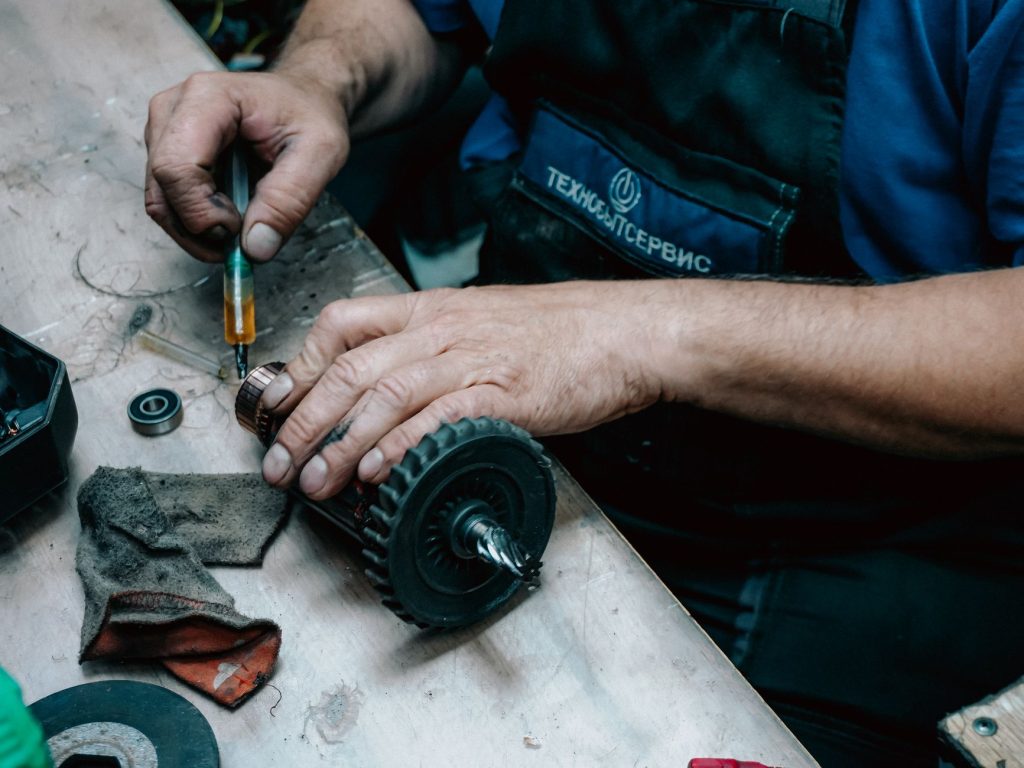
Over-greasing a bearing damages it almost as
reliably as under-greasing does — a fact that surprises technicians
who assume more lubricant is always safer. Lubrication failure is
quietly one of the leading causes of premature bearing and gearbox
failure, and most of it comes down to using the wrong product or the
wrong amount.

Grease is oil suspended in a thickener, designed to stay in place
and provide a sealing barrier against contamination — the right choice
for most bearings running at moderate speeds where re-lubrication
access is limited. Oil circulates and carries heat away more
effectively, which is why high-speed spindles and gearboxes generating
significant heat typically use oil lubrication or oil mist systems
instead.
| Grade | Consistency |
|---|---|
| NLGI 1 | Softer, used in centralized lubrication systems and cold environments |
| NLGI 2 | Medium, the most common general-purpose grade for bearings |
| NLGI 3 | Firmer, used where grease needs to resist slumping or leakage |
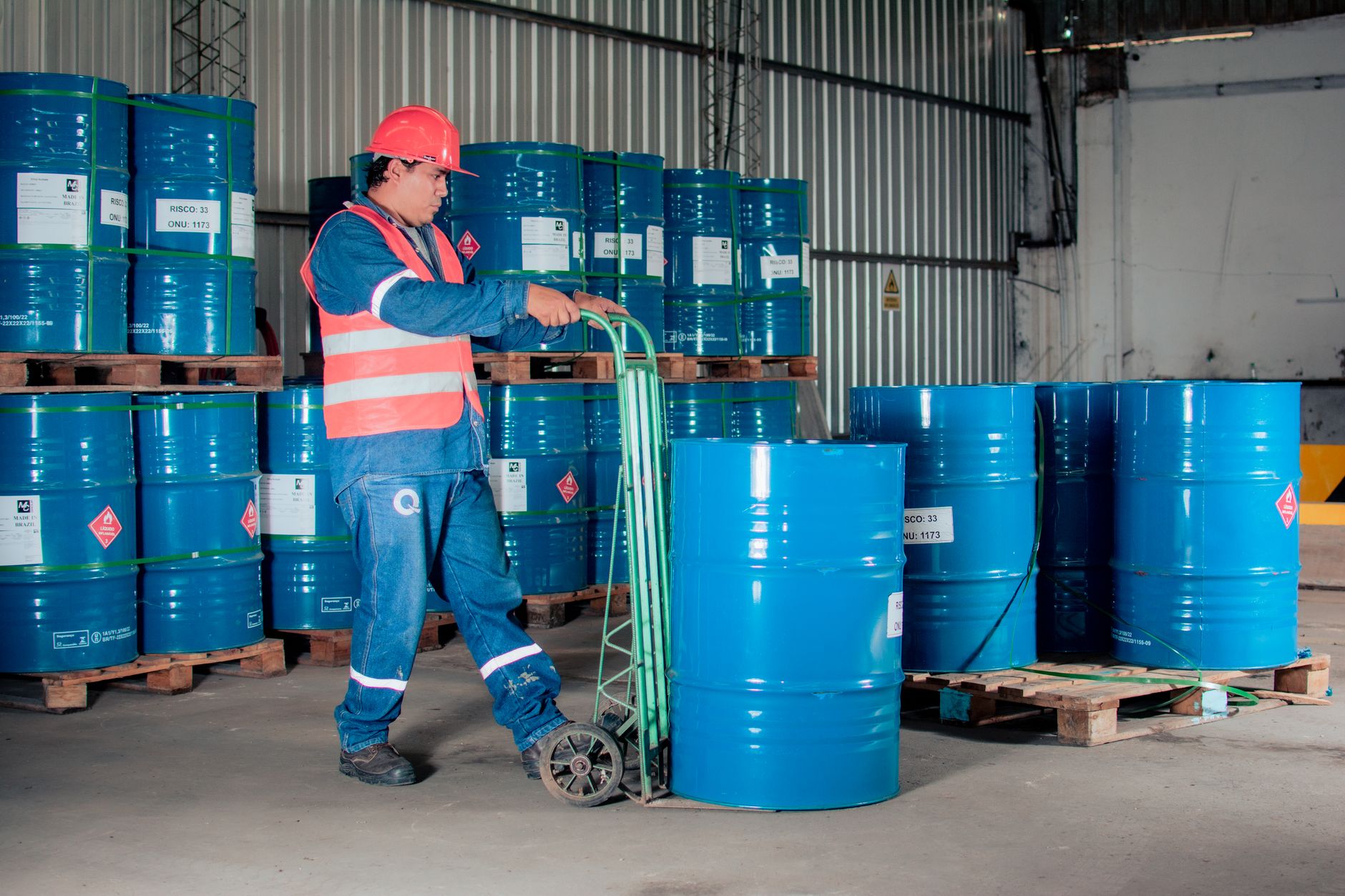
Different grease thickener types — lithium, lithium complex,
polyurea, calcium sulfonate — aren’t always chemically compatible with
each other, and mixing incompatible greases can cause the mixture to
soften, harden, or separate in ways that actually make lubrication
worse than using no fresh grease at all. Switching grease types on
existing equipment should include a compatibility check, not just a
price comparison.

Speed, load, temperature, and contamination exposure all affect how
quickly grease breaks down in service, which is why a fixed calendar
interval applied to every bearing in a facility is a rough
approximation at best. Bearings running hot or in dusty environments
typically need re-lubrication far more often than the same bearing
type running cool and clean elsewhere in the same plant.

Lubrication fundamentals fit inside the hands-on maintenance skills
covered in SCMEP’s Predictive
Maintenance Strategies training. As a NIST
Manufacturing Extension Partnership affiliate serving South Carolina
manufacturers since 1989, our focus is building a lubrication
program around your actual equipment and operating conditions, not a
generic annual schedule.
If your team is standardizing grease selection or building
re-lubrication intervals, you can
browse the Maintenance and
Reliability training catalog or email the training team.
A pump’s bearing lubrication schedule matters as much to its service life as avoiding cavitation does. See our guide to centrifugal pumps and cavitation — what NPSH is and why it predicts pump damage.
Oil circulates and carries heat away more effectively than grease, which is why high-speed spindles and gearboxes generating significant heat typically use oil lubrication or oil mist systems instead of grease.
NLGI grades standardize grease consistency, from softer NLGI 1 used in centralized systems to firmer NLGI 3 used where grease needs to resist slumping or leakage, with NLGI 2 being the most common general-purpose grade.
Different grease thickener types aren’t always chemically compatible, and mixing incompatible greases can cause the mixture to soften, harden, or separate, making lubrication worse than using no fresh grease at all.
No. Speed, load, temperature, and contamination exposure all affect how quickly grease breaks down, so bearings running hot or in dusty environments typically need far more frequent re-lubrication than others.