SUPPLY CHAIN & SUSTAINABILITY
Water Stewardship in Manufacturing: Where to Start
A practical starting point for manufacturers building a water stewardship program, from metering to cooling tower management.
A practical starting point for manufacturers building a water stewardship program, from metering to cooling tower management.
A manufacturer that’s spent years tracking energy
use for cost reasons often discovers it has no equivalent handle on
water — no meter on the process that uses the most, no record of what
gets discharged versus what gets consumed. Water stewardship starts
with closing that measurement gap before it becomes a customer
questionnaire nobody can answer.
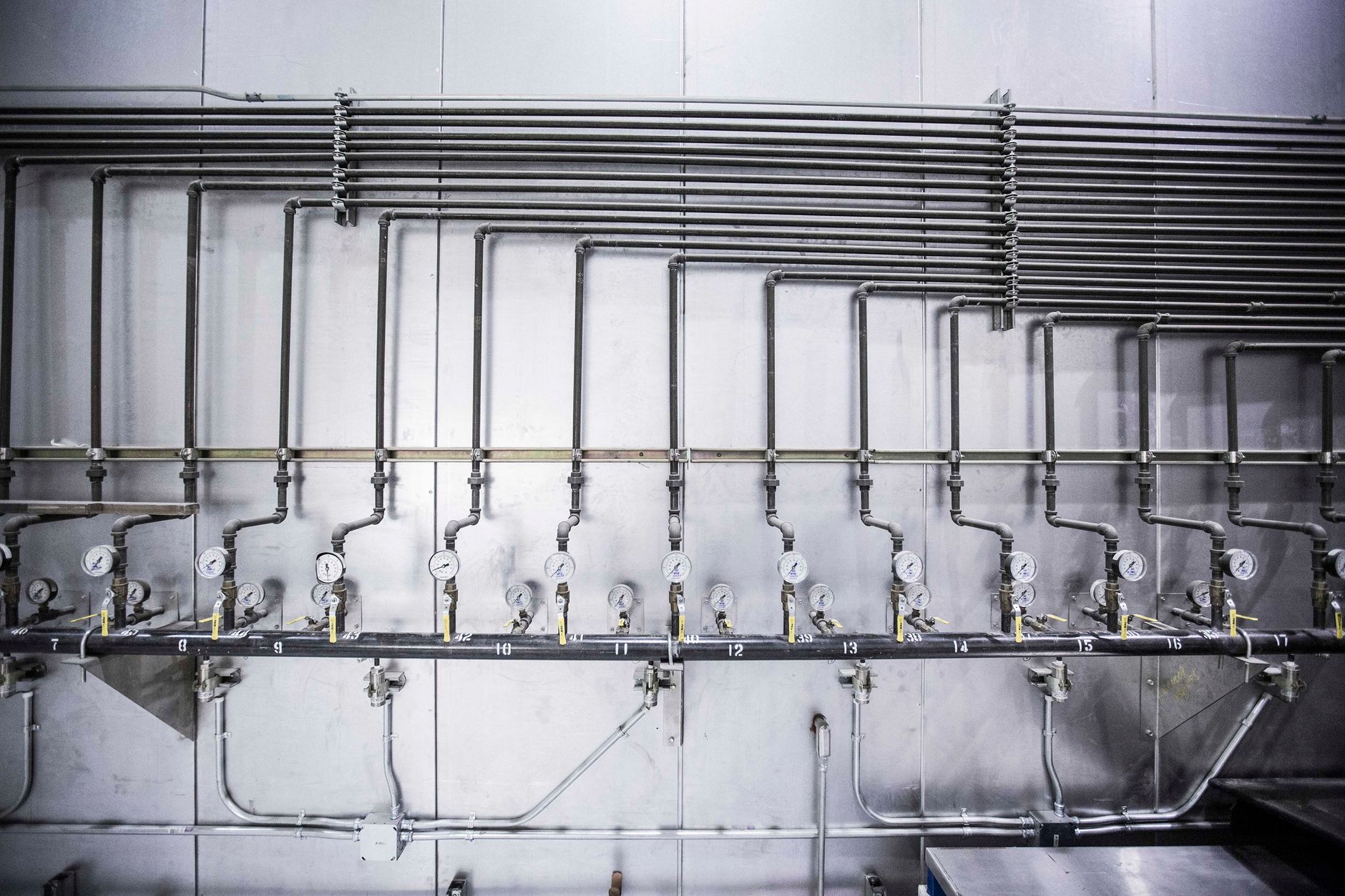
Water withdrawal is the total volume pulled from a source. Water
consumption is the portion that doesn’t return to that source — lost
to evaporation, incorporated into product, or otherwise removed from
the local water cycle. Water discharge is what’s returned, treated or
untreated, to a receiving body. Reporting only withdrawal without
distinguishing consumption and discharge understates the actual
local impact in water-stressed regions.
| Use | Example |
|---|---|
| Process water | Rinsing, cooling, cleaning directly involved in production |
| Utility water | Boilers, cooling towers, HVAC systems supporting the facility |
| Sanitary water | Restrooms, cafeterias, and general facility use |
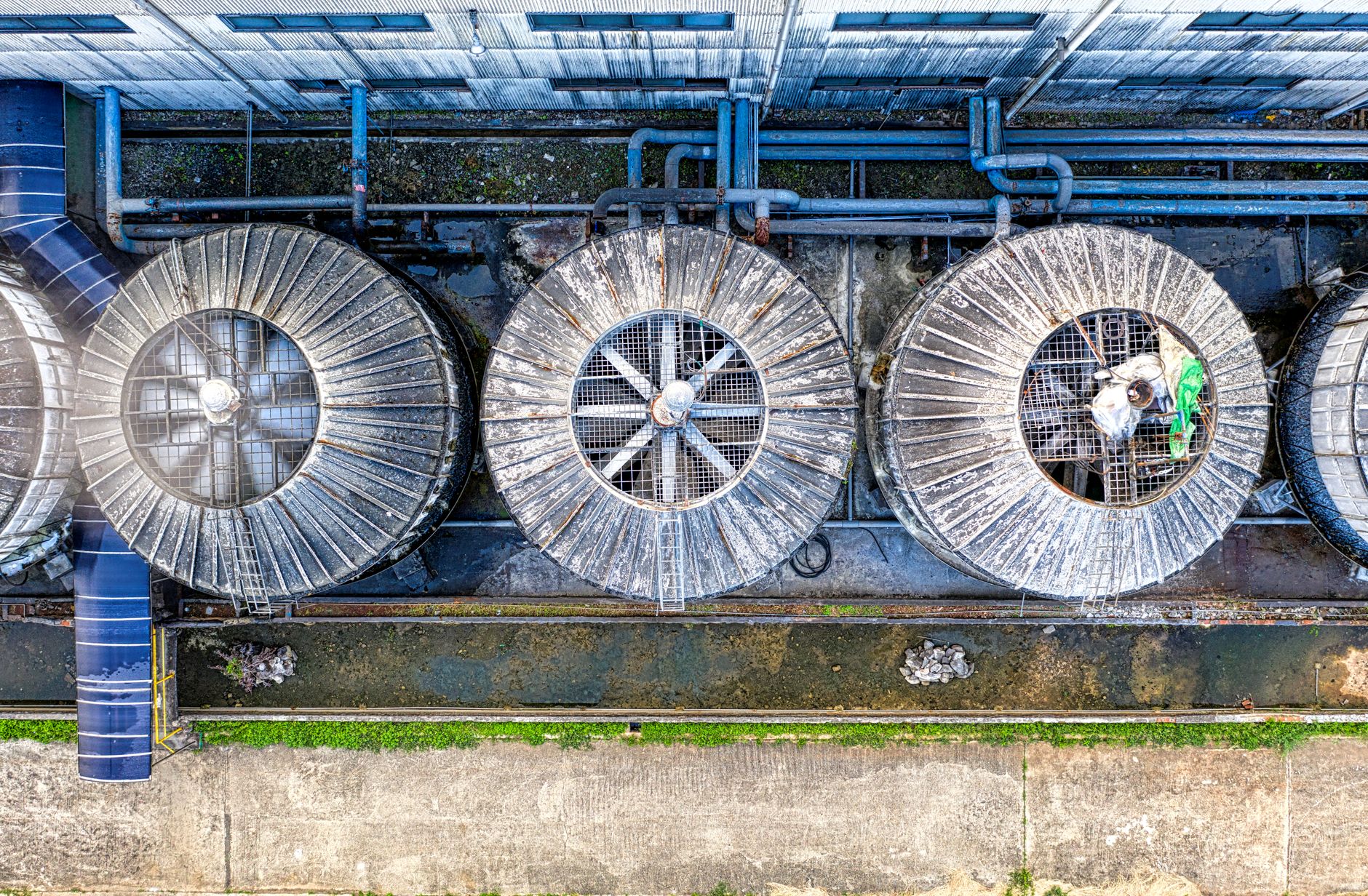
A facility using a million gallons a year in a water-abundant
region has a very different impact profile than the same usage in a
drought-prone or already water-stressed watershed. Water reporting
frameworks increasingly ask facilities to report usage alongside local
water stress context, since the raw consumption number alone doesn’t
tell a customer or regulator how significant that use actually is.
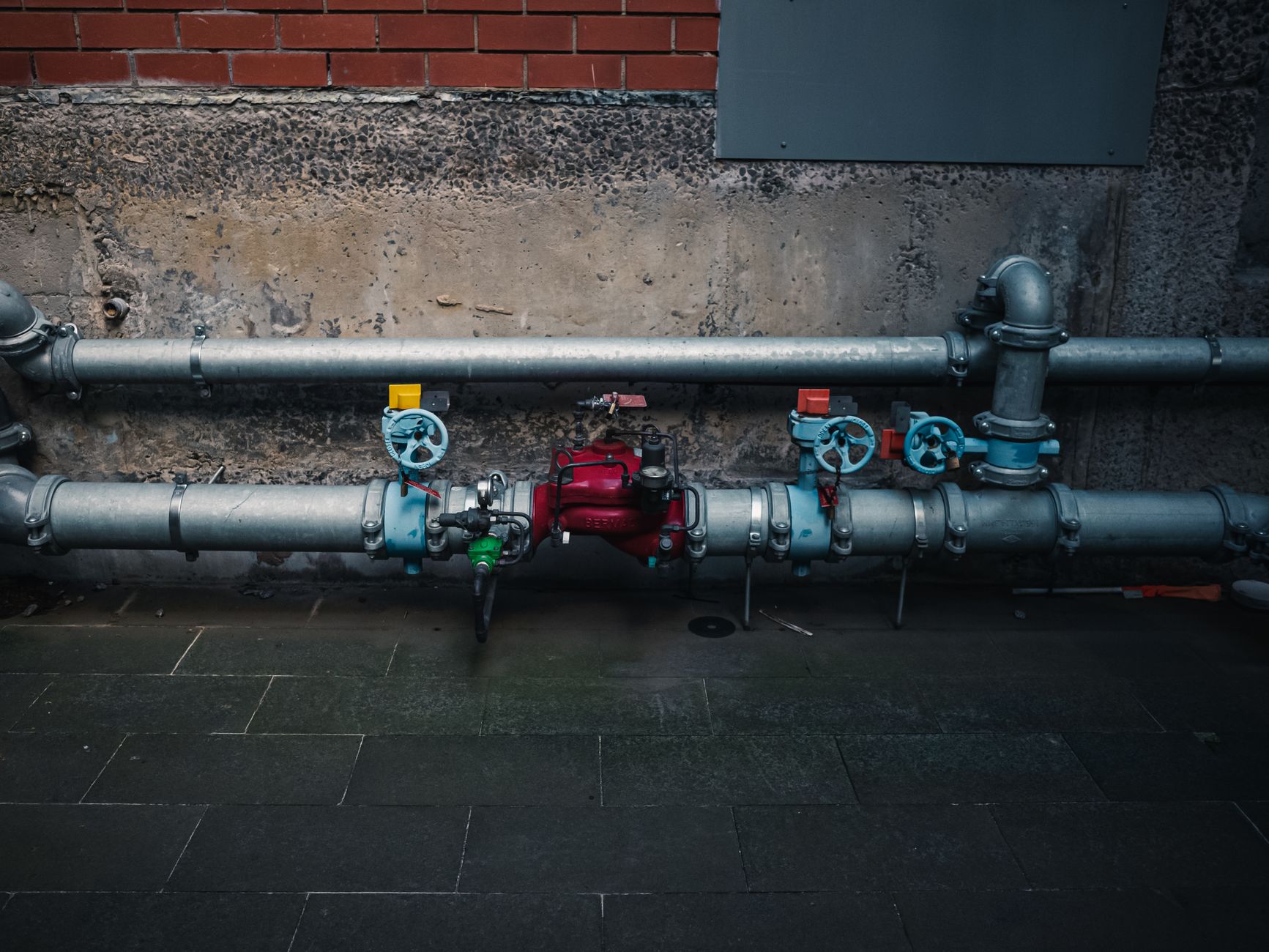
Closed-loop cooling and rinse water recirculation are often the
fastest wins available, reusing water within a process rather than
drawing fresh water and discharging it after a single pass. Facilities
that map their actual water balance — what comes in, what leaves, and
where it goes in between — tend to find recirculation opportunities
they didn’t know existed.

Water stewardship fits inside the sustainability work covered in
SCMEP’s Sustainability
Starter Workshop. As a NIST Manufacturing
Extension Partnership affiliate serving South Carolina manufacturers
since 1989, our focus is mapping your actual water balance, not a
generic conservation checklist.
If your team needs to respond to a water usage disclosure request
or map water use across your facility, you can
browse the Supply Chain and
Sustainability training catalog or email the training team.
Water stewardship is one part of the broader environmental footprint a Life Cycle Assessment measures. See our guide to Life Cycle Assessment — the four LCA phases and what an EPD confirms.
Withdrawal is the total volume pulled from a source. Consumption is the portion that doesn’t return, lost to evaporation or incorporated into product. Discharge is what’s returned, treated or untreated, to a receiving body.
Water use typically falls into process water (rinsing, cooling, cleaning), utility water (boilers, cooling towers, HVAC), and sanitary water for general facility use.
The same water usage has a very different impact in a water-abundant region versus a drought-prone or water-stressed watershed, which is why reporting frameworks increasingly ask for local context alongside raw usage numbers.
Closed-loop cooling and rinse water recirculation are often the fastest wins, reusing water within a process rather than drawing fresh water and discharging it after a single pass.