Circular Economy Basics for Manufacturers: Designing Out Waste
A scrap bin full of offcuts looks like an unavoidable cost of doing business until someone asks why the cutting pattern was designed to produce that much waste. Linear vs. circular models, and the fastest, lowest-cost win available.
July 23, 2026 ·
Updated July 23, 2026 ·
3 min read ·
SCMEP Training Team ·
107 views
Share
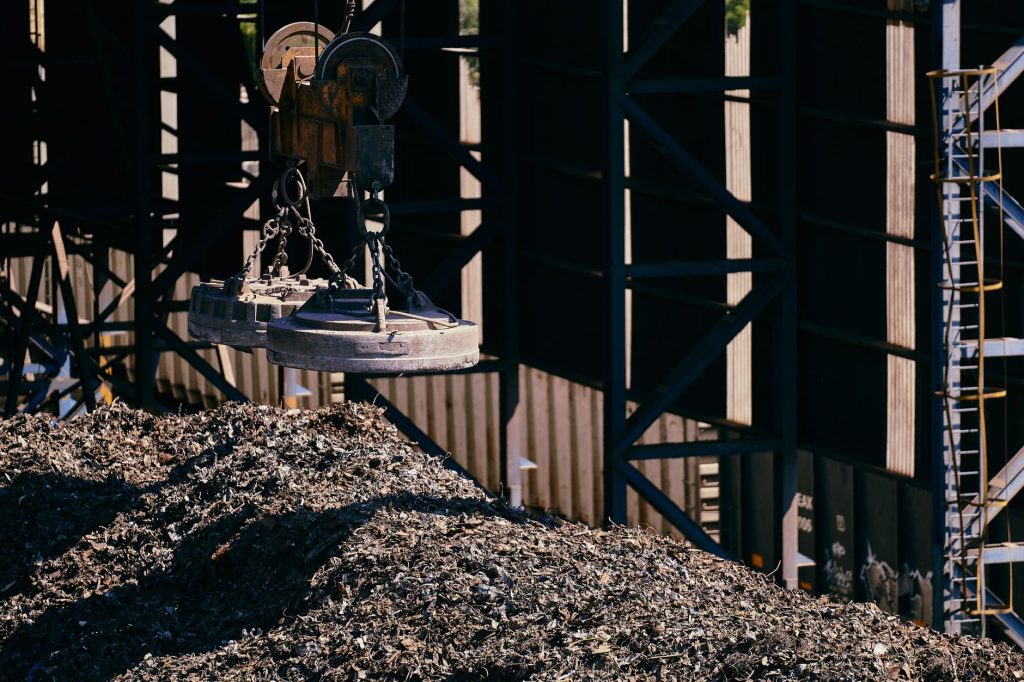
A scrap bin full of offcuts looks like an
unavoidable cost of doing business until someone asks why the cutting
pattern was designed to produce that much waste in the first place.
Circular economy thinking starts with that question, applied before
the material is ever cut.
Linear vs. circular: the basic shift
A traditional linear model runs take-make-waste: raw material in,
product out, scrap and end-of-life product discarded. A circular model
instead designs for material to loop back — through reuse, repair,
remanufacturing, or recycling — reducing how much new raw material a
process needs to draw in the first place.
Where the biggest opportunities usually sit
Common circular economy opportunities in manufacturing
Opportunity
Example
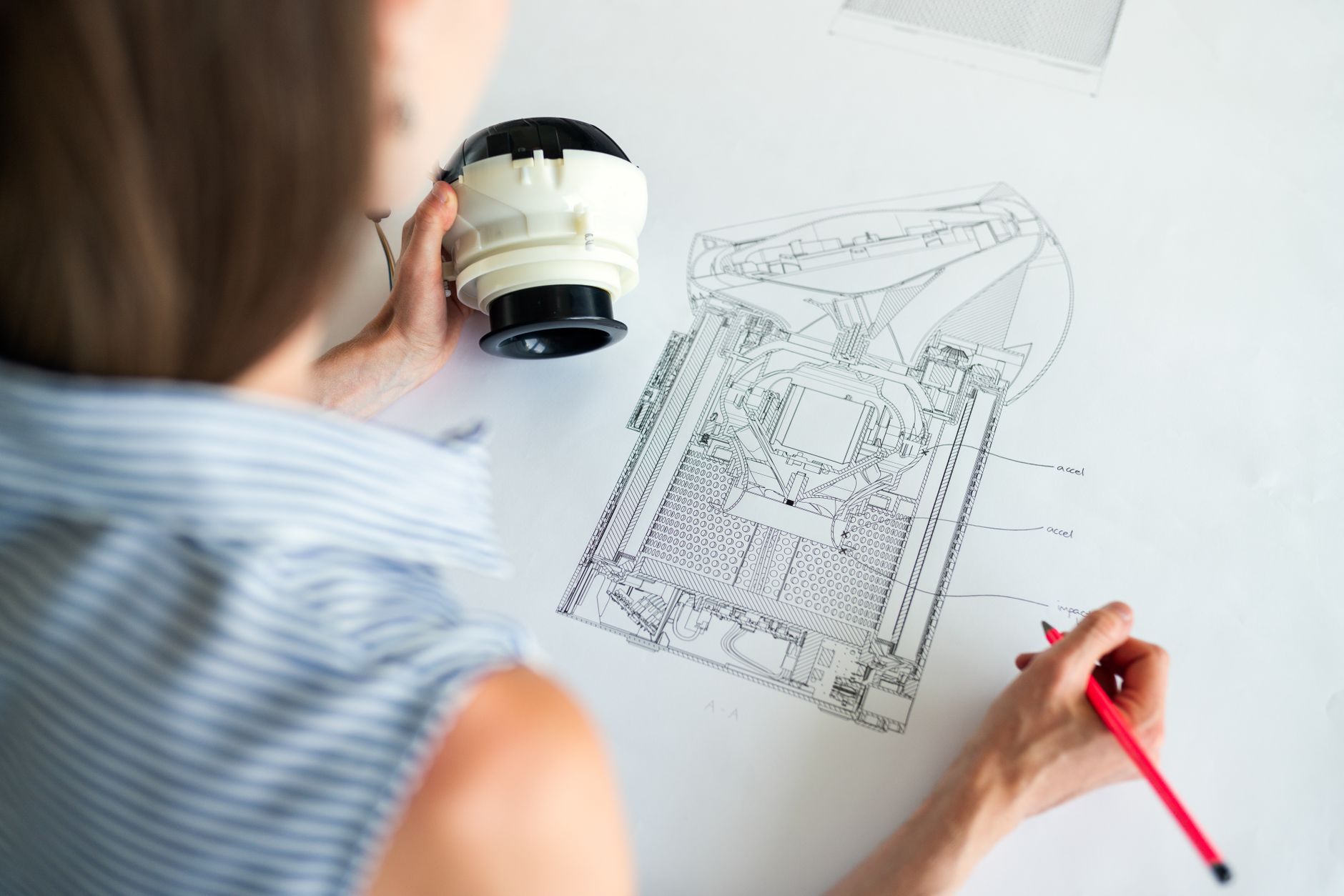
Design for disassembly
Using fasteners instead of adhesives so a product can be taken apart and materials separated at end of life
Material recovery
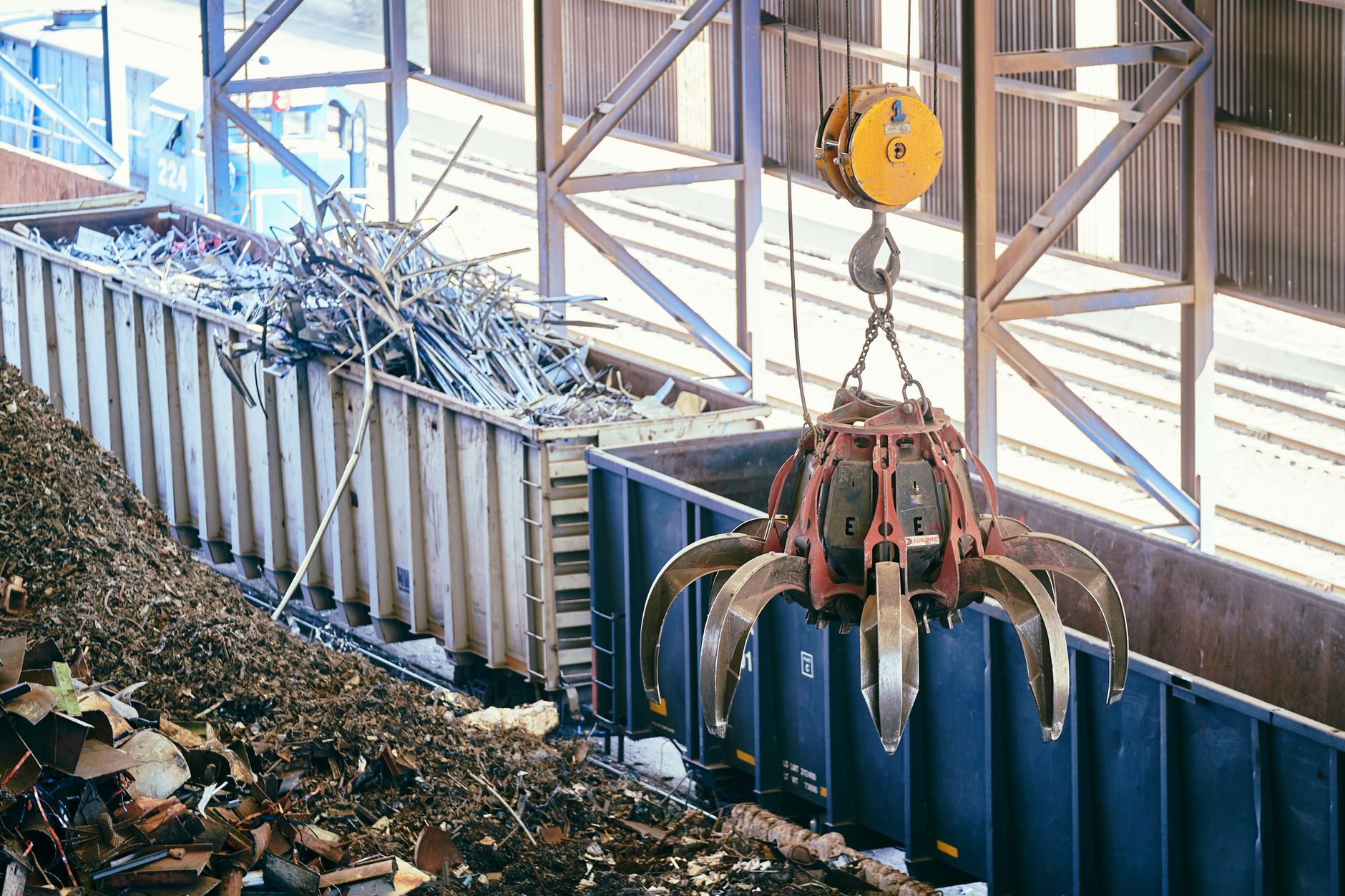
Capturing metal scrap, cutting offcuts, or packaging for resale or reprocessing rather than landfill
Remanufacturing
Restoring used parts or equipment to like-new condition instead of scrapping them
Nesting and cutting pattern optimization
Material utilization software that optimizes nesting patterns for
sheet metal, fabric, or composite cutting can meaningfully reduce scrap
before a single design change is made to the product itself — often
the fastest, lowest-cost circular economy win available, since it
doesn’t require redesigning what’s being produced.
Why this connects to reporting, not just cost savings
Waste reduction and material recovery efforts increasingly show up
in customer sustainability questionnaires and disclosure requests,
alongside emissions data covered under frameworks like the GHG
Protocol. A manufacturer already tracking material recovery for cost
reasons is better positioned to answer those requests than one
starting the measurement from scratch.
Packaging waste is one of the more visible places a circular economy approach shows up in a manufacturer’s own operations. Read our guide to sustainable packaging design — where to start.
Frequently asked questions
What is the difference between a linear and circular economy model?
A linear model runs take-make-waste, discarding scrap and end-of-life product. A circular model designs for material to loop back through reuse, repair, remanufacturing, or recycling, reducing new raw material needs.
What are common circular economy opportunities for manufacturers?
Common opportunities include designing products for disassembly, capturing material scrap and offcuts for resale or reprocessing, and remanufacturing used parts or equipment instead of scrapping them.
What is the fastest, lowest-cost circular economy win available?
Optimizing nesting and cutting patterns for sheet metal, fabric, or composite materials can meaningfully reduce scrap without requiring any redesign of the product itself.
How does circular economy work connect to sustainability reporting?
Waste reduction and material recovery increasingly show up in customer sustainability questionnaires alongside emissions data. Manufacturers already tracking this for cost reasons are better positioned to respond to those requests.
South Carolina Manufacturing Extension Partnership has delivered manufacturing training to South Carolina manufacturers since 1989. Articles are produced and reviewed by SCMEP's training team.