SUPPLY CHAIN & SUSTAINABILITY

Sustainable Packaging Design: Where to Start
Why right-sizing packaging cuts material and freight cost together, and how to avoid a greenwashing risk on recyclability claims.
Why right-sizing packaging cuts material and freight cost together, and how to avoid a greenwashing risk on recyclability claims.
Packaging redesign often starts as a cost-cutting
project and ends up being one of the more visible sustainability
wins a manufacturer can point to — if the redesign actually
reduces material and protects the product, instead of just moving
waste from the box to the customer’s recycling bin.

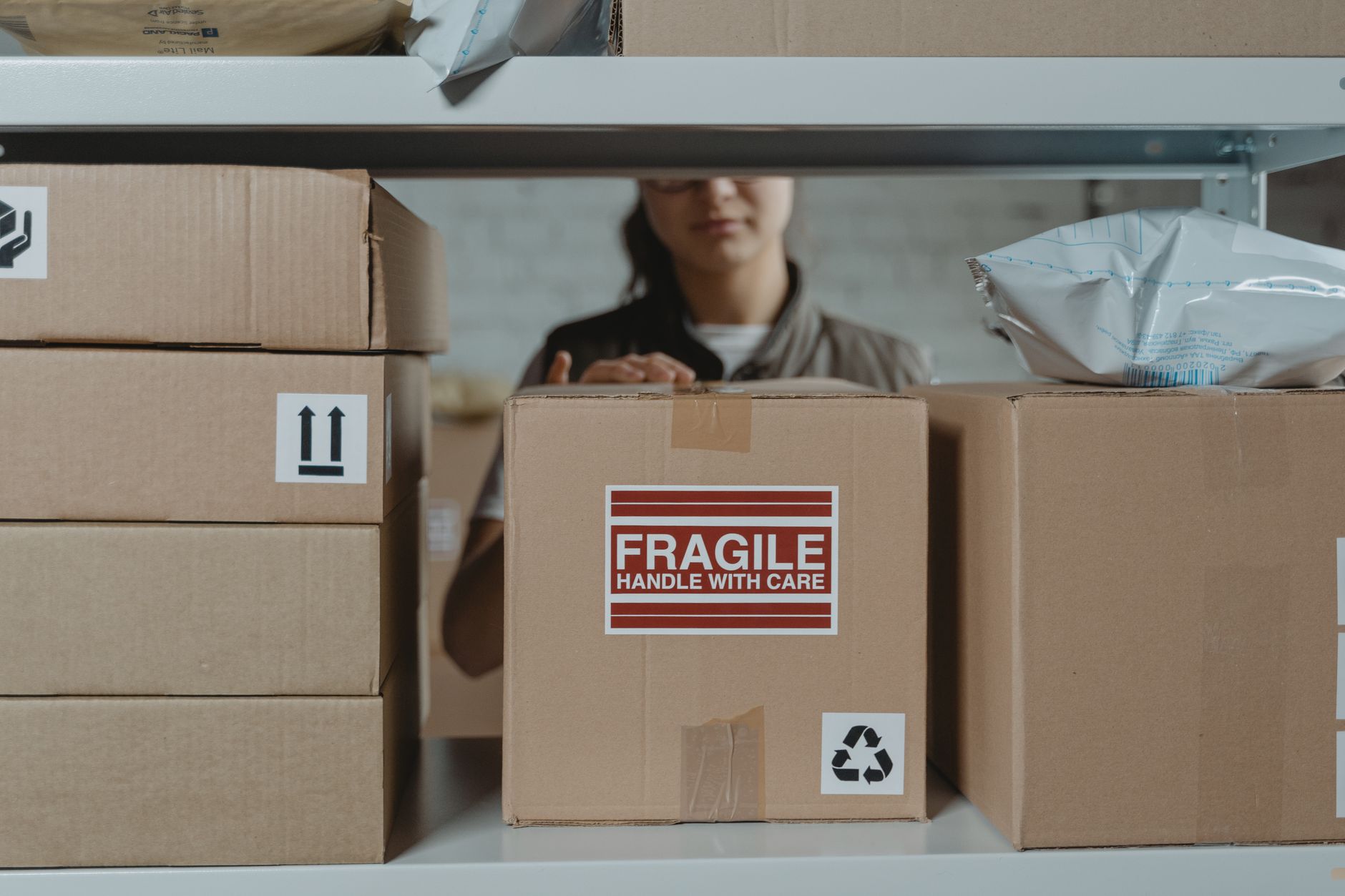
An oversized box shipped with excess void-fill wastes material on
every single shipment and increases dimensional-weight shipping
costs at the same time — making right-sizing one of the rare
changes that reduces both material use and freight cost
simultaneously, rather than trading one for the other.
| Material | Trade-off to consider |
|---|---|
| Recycled content cardboard | Lower virgin material use, but can have lower strength per unit weight |
| Mono-material plastic | Easier to recycle than mixed-material packaging, but may need more material for equivalent strength |
| Molded pulp inserts | Biodegradable and recyclable, but tooling cost is higher than foam for low volumes |

A package labeled “recyclable” that most municipal recycling
programs in a target market can’t actually process — certain
flexible films, some multi-layer laminates — creates a
greenwashing risk even if the material is technically recyclable
somewhere. Design decisions need to account for what’s actually
processed in the regions the product ships to.
A lighter, more sustainable package that increases damage rates
in transit isn’t actually a net improvement — the environmental
and financial cost of a damaged product and its replacement shipment
usually outweighs the material saved. Drop testing, vibration
testing, and compression testing validate that a redesigned package
still protects the product before it goes into full production.

Sustainable packaging design complements the waste-reduction
fundamentals covered in our related guide on
circular
economy basics, part of SCMEP’s
Supply Chain and
Sustainability training catalog. As a NIST
Manufacturing Extension Partnership affiliate serving South Carolina
manufacturers since 1989, our focus is redesigning packaging
that actually reduces material without shifting the problem
downstream.
If your team is redesigning packaging for cost, sustainability,
or both, you can browse the
Supply Chain and Sustainability training catalog or email
the training
team.
An oversized box with excess void-fill wastes material and increases dimensional-weight shipping costs at the same time — right-sizing reduces both material use and freight cost together, rather than trading one for the other.
Recycled cardboard can have lower strength per unit weight, mono-material plastics may need more material for equivalent strength, and molded pulp has higher tooling costs than foam at low volumes.
Some materials are technically recyclable somewhere but not actually processed by most municipal recycling programs in the market where the product ships — design decisions need to account for local recycling reality.
A lighter package that increases in-transit damage isn’t a net improvement — the cost of a damaged product and replacement shipment usually outweighs the material saved, so testing validates the design before full production.