Kanban Pull Systems: Producing Based on Consumption, Not Forecast
A push system builds to a forecast and hopes demand shows up. A kanban pull system waits for a signal — an empty bin, a used card — before it produces anything at all. How two-bin systems work, and what happens when kanban card counts are wrong.
July 22, 2026 ·
Updated July 22, 2026 ·
3 min read ·
SCMEP Training Team ·
4 views
Share
Kanban started as an observation about grocery stores, not
factories — Toyota noticed that a supermarket restocks a shelf only
after a customer actually buys something, not on a fixed schedule
regardless of demand. That pull logic, applied to a machine shop floor
in 1953, became one of the most widely adopted lean tools in
manufacturing.
Pull vs. push: the core distinction
A push system produces based on a forecast — build this many units
because the schedule says so, regardless of whether downstream demand
has actually materialized yet. A kanban pull system instead triggers
replenishment based on actual consumption: nothing gets produced or
ordered until a signal indicates it’s genuinely needed. That signal is
the kanban itself — traditionally a physical card, though modern
implementations often use barcodes or electronic signals instead.
The classic two-bin system
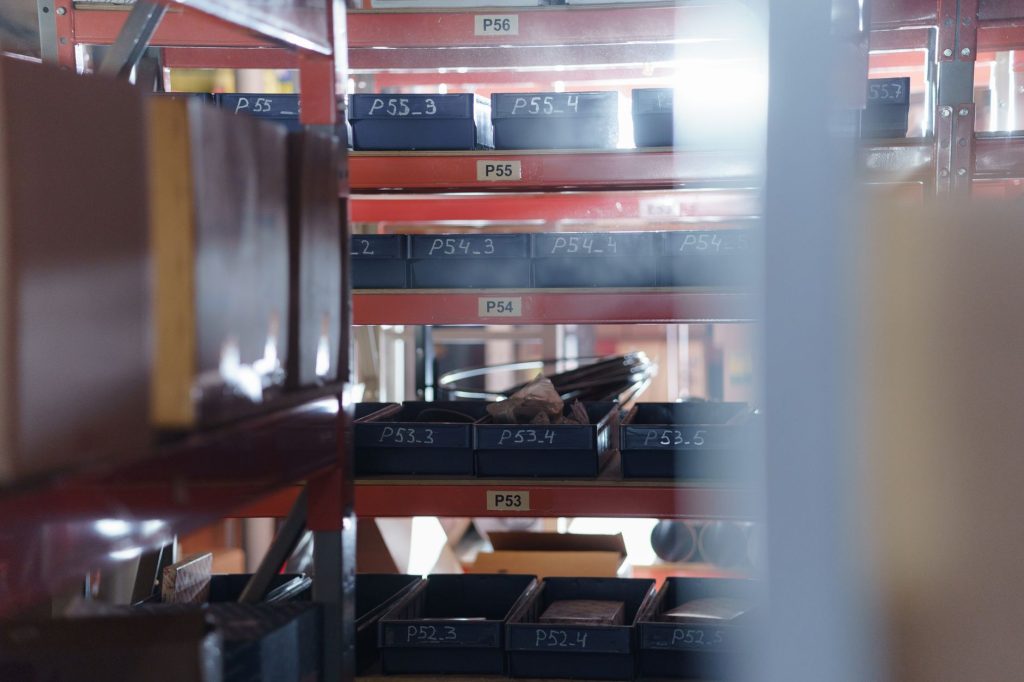
How a two-bin kanban system works
State
What happens
Bin 1 empty
Empty bin is the signal — it triggers an order or production run to refill it
Bin 2 in use
Production continues drawing from the second, still-full bin while the first is being replenished
Bin 1 refilled
Returns to the floor, and the cycle repeats when Bin 2 empties
The elegance of the two-bin system is that it requires no forecasting
and no manual inventory counting to trigger replenishment — an empty
bin is a self-evident, unambiguous signal that doesn’t depend on
someone remembering to check a spreadsheet.
Don’t confuse industrial kanban with software Kanban boards
The term “Kanban” has been adopted by software development teams for
a visual task board with columns like “To Do,” “In Progress,” and
“Done” — a genuinely useful project-management tool, but a different
concept from the physical material-replenishment system this article
covers. Both borrow the same underlying pull philosophy, but a search
for “kanban” on the internet often surfaces the software tool version
first, which isn’t what a production planner researching shop-floor
inventory control is usually looking for.
Where kanban fits alongside value stream mapping
See our related guide on Value
Stream Mapping for the broader process-mapping exercise that often
reveals exactly where a kanban pull system should be introduced —
typically at points where a push schedule is creating excess inventory
or where demand signals aren’t reaching upstream processes fast
enough.
Kanban is a pull-based inventory and production replenishment system originating from Toyota, where a signal — traditionally a physical card — triggers replenishment based on actual consumption rather than a fixed production forecast.
How does a two-bin kanban system work?
Production draws from one bin while a second, full bin sits in reserve. When the first bin empties, that’s the signal to trigger replenishment, while production continues from the second bin until it too runs empty.
Is software Kanban the same as manufacturing kanban?
No. Software Kanban boards (To Do, In Progress, Done columns) borrow the same pull philosophy but are a different tool used for visual task management, not physical material replenishment on a production floor.
Where did kanban originate?
Kanban originated from Toyota’s 1940s observation of supermarket restocking practices and was formally applied on Toyota’s own machine-shop floor in 1953.
South Carolina Manufacturing Extension Partnership has delivered manufacturing training to South Carolina manufacturers since 1989. Articles are produced and reviewed by SCMEP's training team.