Infrared Thermography: Catching Failures Before They Happen
A loose connection inside an electrical panel doesn't announce itself until it trips a breaker or starts a fire — long before that, it's running hotter than everything around it. What thermography detects, and why point-and-shoot isn't enough.
July 22, 2026 ·
3 min read ·
SCMEP Training Team ·
4 views
Share
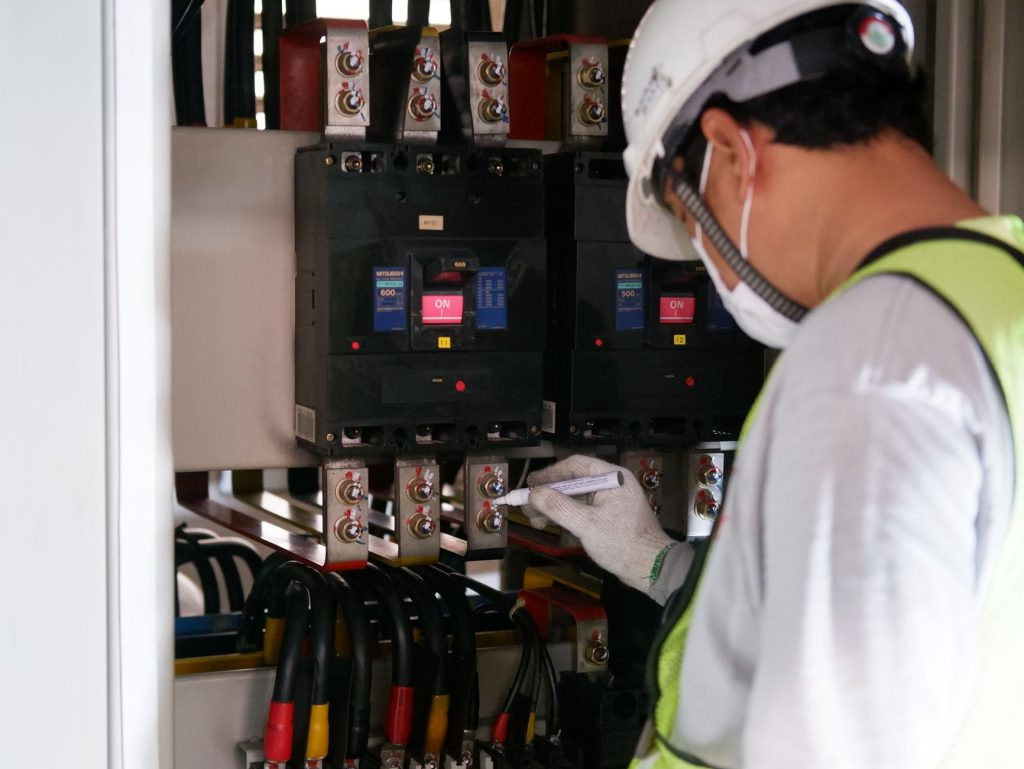
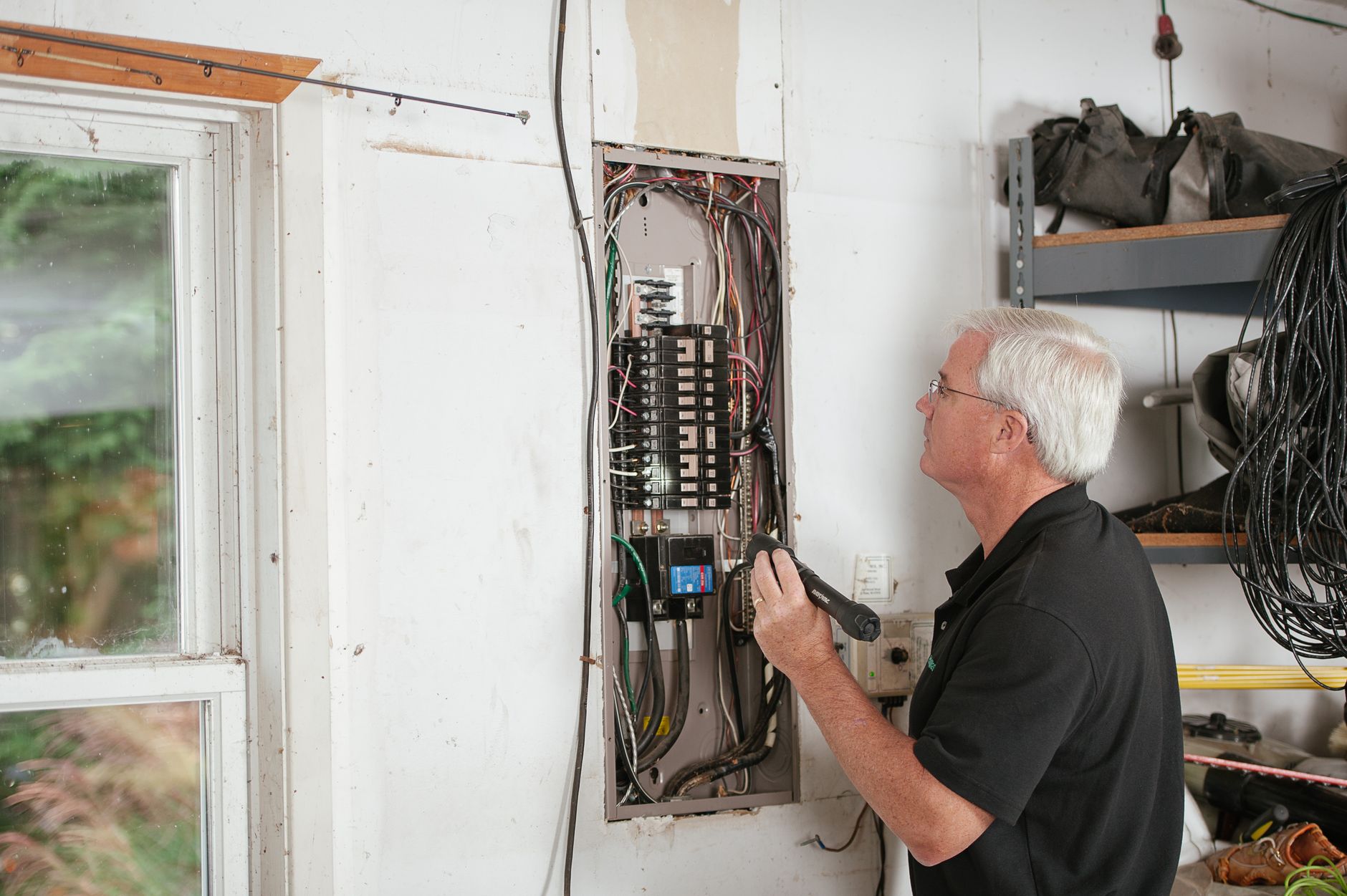
A loose connection inside an electrical panel doesn’t
announce itself until it fails, trips a breaker, or starts a fire. Long
before any of that happens, it’s running hotter than everything around
it — and an infrared camera can see that heat from across the room
without anyone opening the panel.
What infrared thermography detects
Infrared thermography uses a camera sensitive to infrared radiation
to produce a thermal image showing temperature differences across a
surface, revealing heat patterns invisible to the naked eye. In
manufacturing, it’s used as a predictive maintenance technique
alongside vibration analysis and oil analysis — see our related guide
on oil
analysis and tribology for the second major predictive maintenance
technique it commonly complements.
Where thermography gets used
Common thermography applications
Application
What it reveals
Electrical
Loose connections, overloaded circuits, and failing components that run hotter than normal
Mechanical
Bearing overheating and friction heat from misalignment
Building envelope
Insulation gaps and moisture intrusion in roofs and walls
NFPA 70B and electrical scanning
NFPA 70B, the standard for electrical equipment maintenance,
recommends periodic infrared scanning of electrical panels and
connections as part of a preventive maintenance program, since thermal
anomalies are one of the earliest reliable warning signs of a
developing electrical failure — often visible weeks or months before
the connection actually fails.
Why point-and-shoot isn’t enough
An infrared image is only as accurate as the settings behind it.
Getting a reliable temperature reading requires accounting for the
target surface’s emissivity (how efficiently it radiates heat),
reflected ambient temperature, and distance from the camera — factors
that, if ignored, can produce a thermal image that looks dramatic but
reports a temperature that’s meaningfully wrong. Certified
thermographers, trained through programs with Level I, II, and III
designations similar in structure to NDT certification, learn to
account for these variables rather than treating the camera as a
point-and-shoot tool.
What is infrared thermography used for in manufacturing?
Infrared thermography uses a thermal camera to detect heat patterns invisible to the naked eye, commonly used as a predictive maintenance technique to catch loose electrical connections, overheating bearings, and misalignment before they fail.
What does NFPA 70B say about infrared scanning?
NFPA 70B recommends periodic infrared scanning of electrical panels and connections as part of a preventive maintenance program, since thermal anomalies are often visible weeks or months before an electrical connection actually fails.
Why isn’t infrared thermography just point-and-shoot?
Accurate readings require accounting for the target surface’s emissivity, reflected ambient temperature, and distance from the camera. Ignoring these factors can produce a thermal image that looks dramatic but reports a meaningfully wrong temperature.
How does thermography compare to vibration and oil analysis?
Thermography, vibration analysis, and oil analysis are the three major predictive maintenance techniques, each detecting different failure signatures — heat, vibration signature changes, and lubricant contamination — and are often used together.
South Carolina Manufacturing Extension Partnership has delivered manufacturing training to South Carolina manufacturers since 1989. Articles are produced and reviewed by SCMEP's training team.