Lathe Operations and Cutting Tool Angles: A Practical Guide
A cutting tool's rake and clearance angles determine whether it cuts cleanly or rubs and burns — often the real explanation behind a bad finish, not the machine. Basic lathe operations, tool angle fundamentals, and diagnosing tool wear.
July 22, 2026 ·
Updated July 22, 2026 ·
5 min read ·
SCMEP Training Team ·
137 views
Share
A tool that’s cutting poorly usually isn’t a bad tool — it’s the wrong
angle for the material or the cut. Rake, clearance, and lead angle each
control a different piece of what happens where the tool meets the
workpiece, and reading the symptoms back to the angle that’s causing them
is a real diagnostic skill.
Basic lathe operations
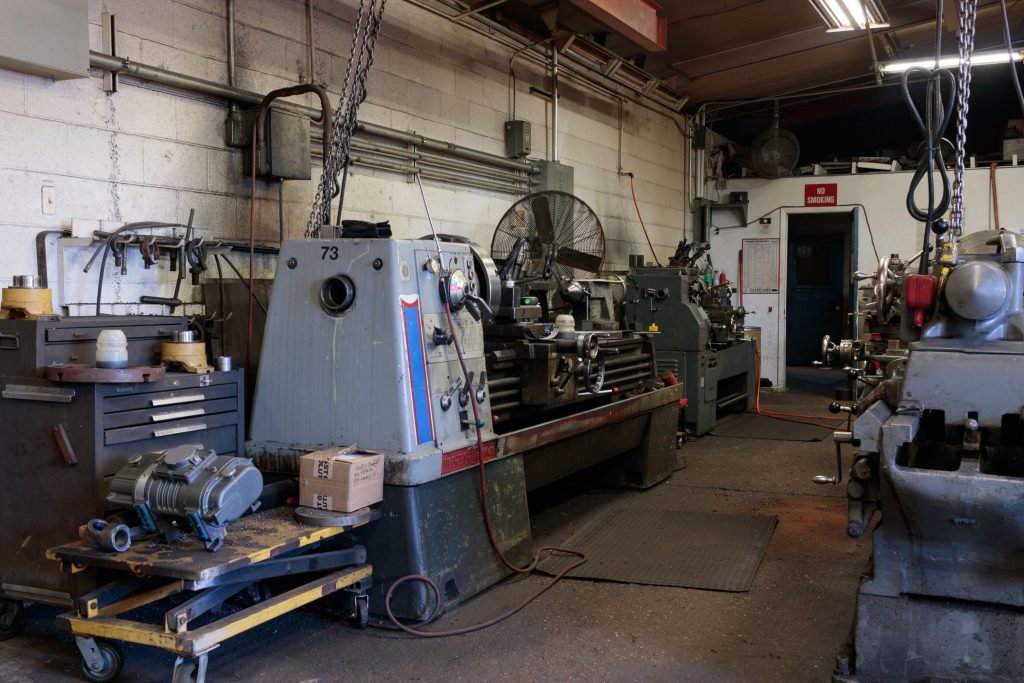
An engine lathe — the traditional, general-purpose, manually-fed
machine with a lead screw and feed rod — performs a core set of
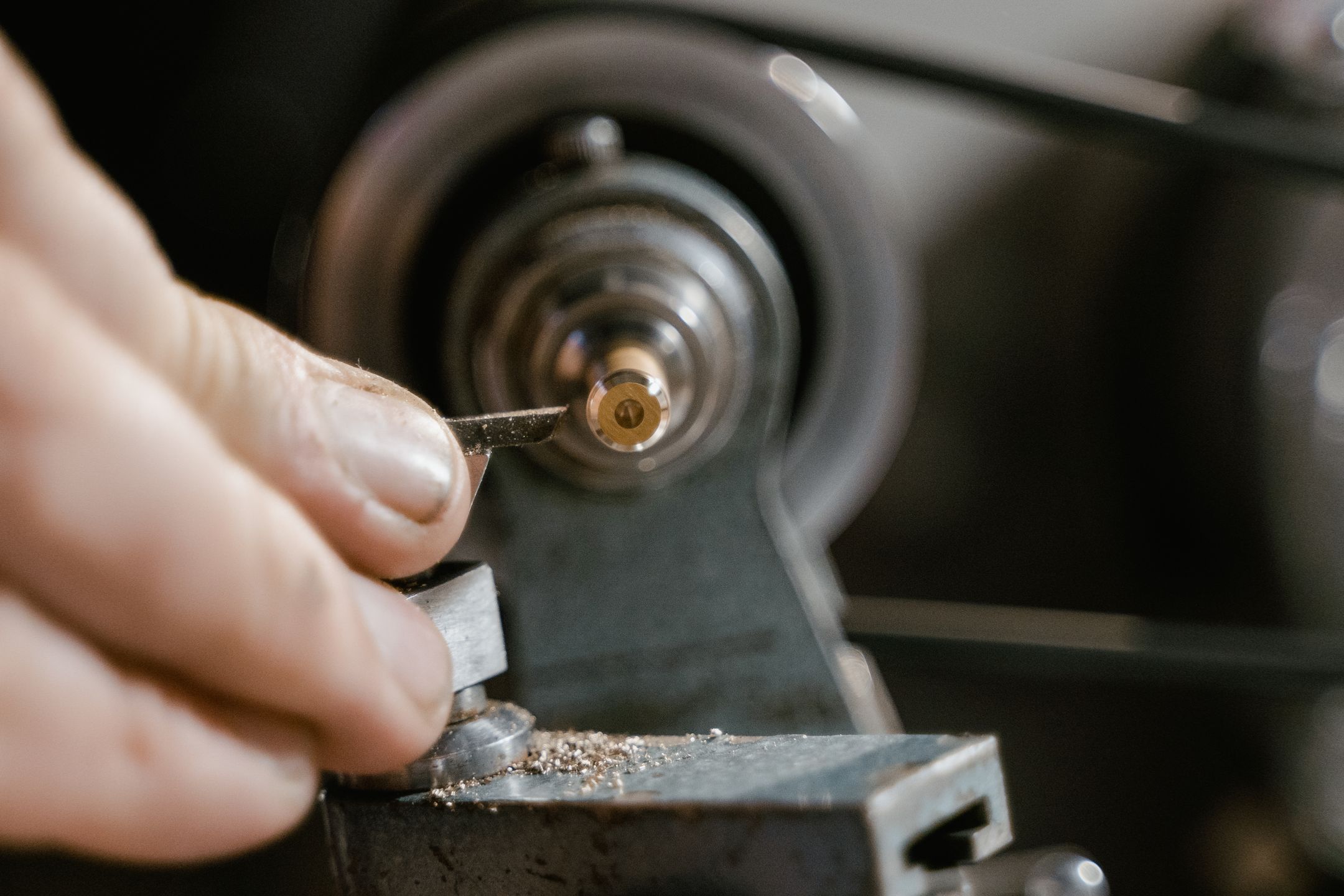
operations: turning (reducing a part’s diameter), facing (flattening the
end), boring (enlarging an internal diameter), threading (cutting screw
threads), and parting (cutting the finished piece off the stock). Most
other lathe operations — grooving, knurling, taper turning — are
variations built on these same fundamentals.
An engine lathe is distinct from a turret lathe (built for repetitive
production work), a CNC lathe (computer-controlled), and a Swiss-type
lathe (guide-bushing supported, built for small-diameter precision
parts) — all descended from the same basic turning principle but built
for different production needs.
Cutting tool angles and what each one controls
Cutting tool angles and their effects
Angle
Typical range
Too little
Too much
Rake angle
-5° to +20°
Higher cutting force, poor chip flow
Weak, fragile cutting edge
Clearance (relief) angle
5° to 15°
Tool flank rubs the workpiece, causing heat and poor finish
Weakens the edge, invites chatter
Lead angle
0° to 45°
More notching wear at the depth-of-cut line
Increased radial force and part deflection
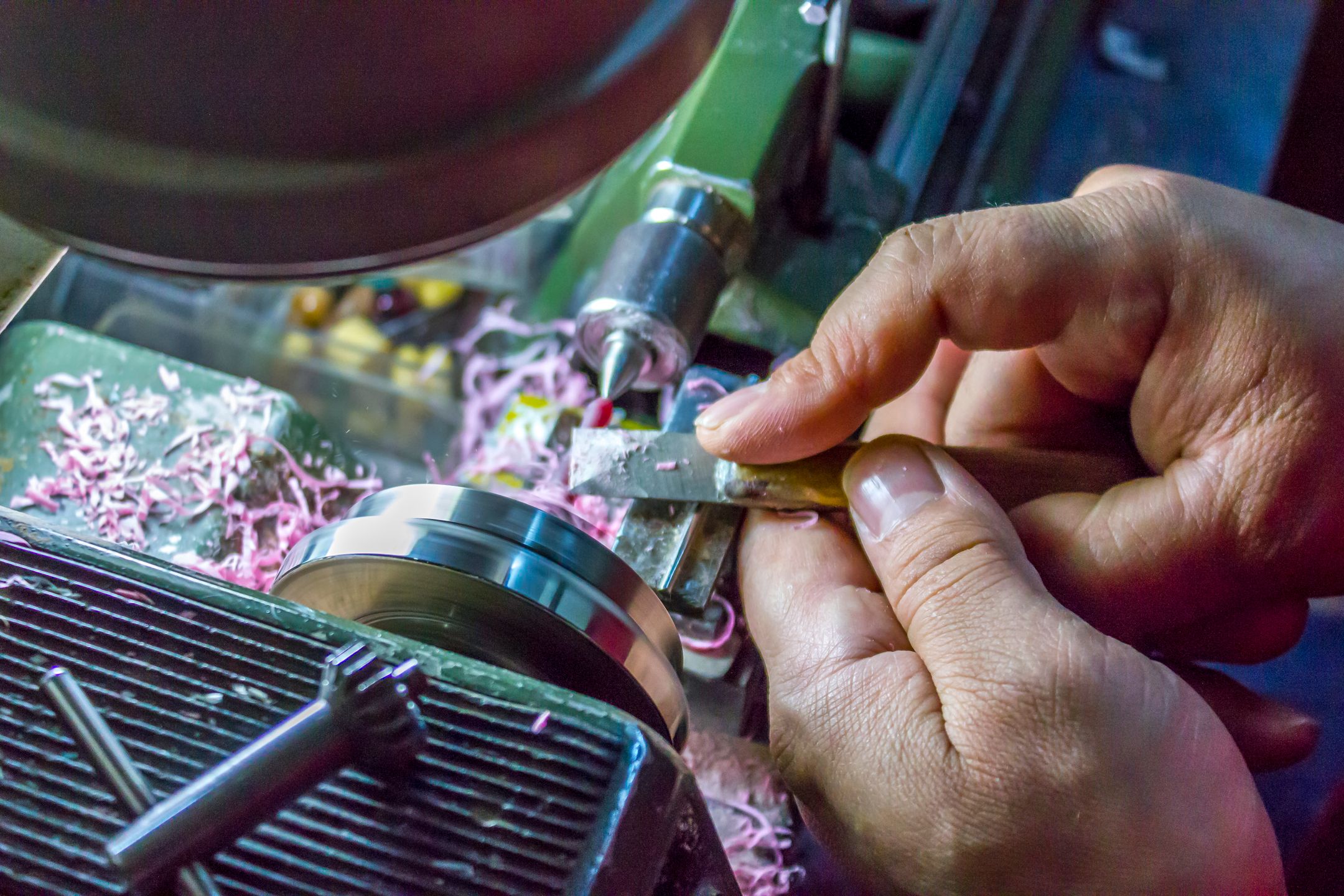
Positive rake angles cut with lower force and better chip flow, which
favors ductile or soft materials, but the edge is weaker as a result.
Negative rake angles trade that away for a stronger edge, which is why
carbide tools on hard or interrupted cuts often run negative rake — the
material and cut type decide the tradeoff, not a fixed rule.
Reading tool wear back to its cause
A poor surface finish, excess heat, or unusual chatter are symptoms
worth tracing back to a specific angle rather than just swapping the
insert and hoping. Rubbing and burning point toward insufficient
clearance angle. Chip control problems and high cutting force point
toward rake angle. Deflection and chatter on a longer, thinner part often
trace back to too aggressive a lead angle for that part’s rigidity. Tool
wear that shows up specifically at the depth-of-cut line, rather than
spread across the whole edge, is a classic lead-angle symptom.
Treating these as diagnostic clues rather than random tool failures
changes how you respond to a bad cut. Instead of just swapping to a new
insert and hoping the problem disappears, checking which symptom actually
showed up points you toward which angle to adjust — turning a repeated
frustration into a specific, correctable setup change.
Tool material: HSS vs. carbide
High-speed steel (HSS) is tough, inexpensive, and easy to grind or
resharpen by hand, which makes it a reasonable choice for low-volume
work, custom form tools, and interrupted cuts at lower speeds. Carbide —
often coated — is harder and more wear-resistant, runs at higher cutting
speeds, and is the standard choice for production work, but it’s more
brittle and less tolerant of the same interrupted-cut abuse HSS shrugs
off. Carbide grades themselves are a deeper topic (the ISO P/M/K/N/S/H
classification system) worth its own dedicated look once these
fundamentals are solid.
Tapers cut on a lathe connect directly to the trigonometry covered in
our shop trigonometry for
machinists guide — worth reading alongside this one if taper work is
part of your job.
If you want to build this into a broader manufacturing fundamentals
program, you can email the training team.
Frequently asked questions
What are the basic lathe operations?
Turning (reducing diameter), facing (flattening an end), boring (enlarging an internal diameter), threading (cutting screw threads), and parting (cutting off the finished piece) are the core operations, with variations like grooving, knurling, and taper turning built on the same fundamentals.
What’s the difference between rake angle and clearance angle?
Rake angle affects chip formation and cutting force — positive rake cuts easier but weakens the edge. Clearance (relief) angle prevents the tool’s flank from rubbing the workpiece — too little causes rubbing and heat, too much weakens the edge.
Should I use HSS or carbide lathe tools?
HSS is tougher, cheaper, and easier to resharpen, making it a good fit for low-volume work and interrupted cuts. Carbide is harder, more wear-resistant, and runs at higher speeds, making it standard for production work, but it’s more brittle.
What is an engine lathe used for?
An engine lathe is the traditional, general-purpose, manually-fed lathe used for turning, facing, boring, and threading — distinct from turret lathes (production), CNC lathes (computer-controlled), and Swiss-type lathes (small-diameter precision work).
South Carolina Manufacturing Extension Partnership has delivered manufacturing training to South Carolina manufacturers since 1989. Articles are produced and reviewed by SCMEP's training team.