SMAW vs. GTAW vs. GMAW: Stick, TIG, and MIG Welding Compared
Stick, TIG, and MIG are three genuinely different welding processes, not interchangeable skills. SMAW vs. GTAW vs. GMAW compared, which to learn first, matching process to material, and a safety note on arc eye that applies to all three.
July 22, 2026 ·
6 min read ·
SCMEP Training Team ·
221 views
Share
Stick, TIG, and MIG are the shop names for three genuinely different
welding processes — SMAW, GTAW, and GMAW — and they’re not interchangeable
skills. Someone who’s good at stick welding a steel fence post isn’t
automatically ready to TIG-weld a stainless food-grade tank, and the
equipment, gas, and technique differences are exactly why.
SMAW, GTAW, and GMAW compared
Three core welding processes compared
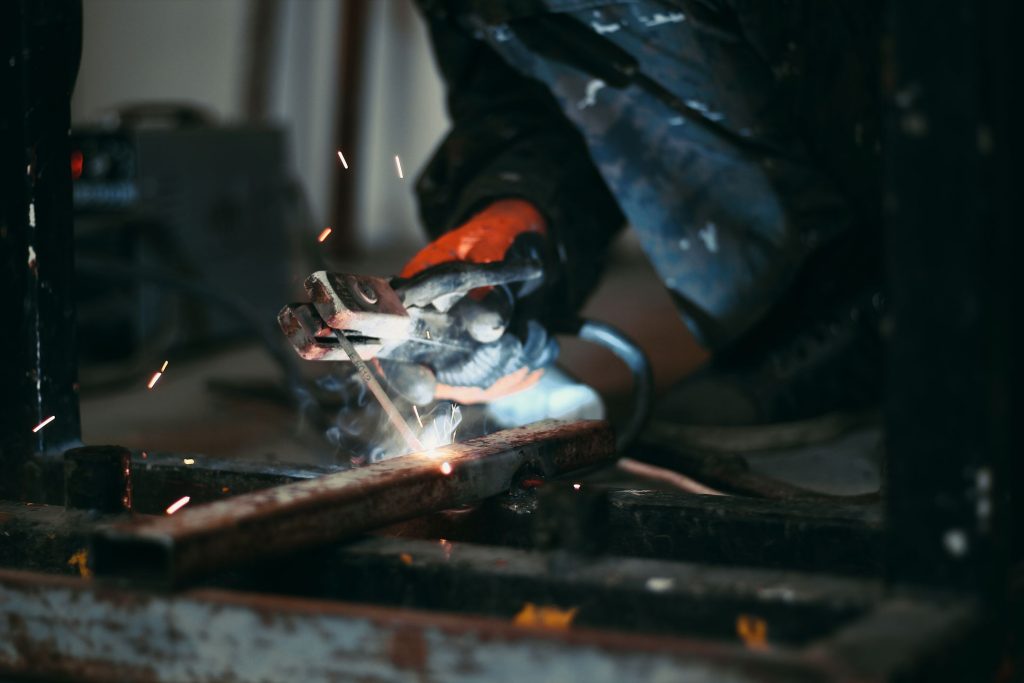
SMAW (Stick)
GMAW (MIG)
GTAW (TIG)
Electrode
Flux-coated consumable rod
Continuously fed consumable wire
Non-consumable tungsten, separate filler rod
Shielding
Flux coating vaporizes — no external gas
External shielding gas required
External shielding gas (typically argon)
Skill difficulty
Moderate
Easiest — machine feeds the wire
Highest — two-handed coordination, often a foot pedal
Portability
Best — no gas bottle, tolerates wind and dirty metal
Limited outdoors — wind disrupts shielding gas
Limited outdoors — same gas sensitivity
Typical use
Structural steel, field repair, construction
General fabrication, production welding, auto body
Aluminum, stainless, exotic metals, precision/pressure work
If you’re picking a process to learn first, GMAW (MIG) is the common
beginner recommendation — the machine feeds the wire automatically, which
removes one of the hardest parts of stick welding. SMAW is worth learning
early too specifically because of how forgiving it is of a messy,
outdoor, or less-than-clean environment. GTAW is usually learned after
the other two, once basic arc control is second nature, because it
demands the most precise, coordinated technique of the three.
A fourth process, FCAW (Flux-Cored Arc Welding), often comes up
alongside these three — it’s mechanically similar to GMAW, feeding a
continuous tubular wire instead of solid wire, but the wire’s core
provides its own shielding the way SMAW’s rod coating does. That makes
FCAW more tolerant of wind and outdoor conditions than standard GMAW,
which is why it shows up often in structural and heavy fabrication work
that needs both production speed and field tolerance.
Why GTAW takes longer to learn
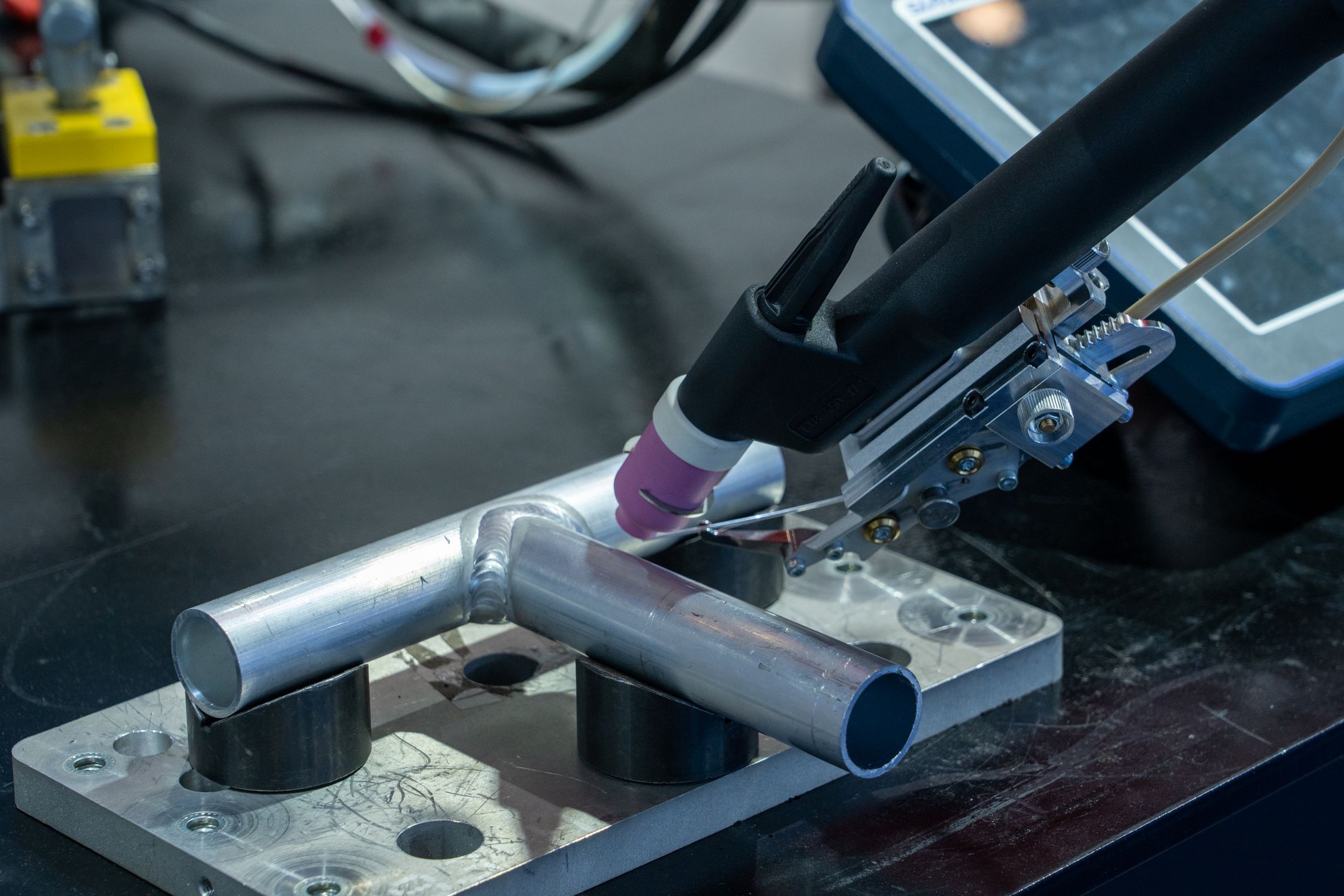
TIG welding asks one hand to hold and move the torch while the other
feeds filler rod into the puddle — often with a foot pedal simultaneously
controlling amperage. That’s three independent motor tasks running at
once, which is why GTAW produces the cleanest, most controllable welds
and also why it takes the longest to become genuinely competent at. The
payoff is precision: GTAW is the process of choice anywhere weld
appearance, exact penetration control, or thin/exotic materials make
stick or MIG a poor fit.
Matching the process to the material
The material you’re joining narrows the choice more than personal
preference does. Mild steel structural work tolerates all three
processes reasonably well, which is why SMAW dominates construction and
field repair — it doesn’t need a gas bottle and shrugs off wind, rust, and
mill scale that would ruin a GMAW or GTAW weld. Aluminum and stainless
steel are a different story: both oxidize or contaminate easily, and both
respond much better to the precise heat and clean shielding gas envelope
GTAW provides. Production fabrication shops running high volumes of
carbon steel typically default to GMAW, since the continuous wire feed
keeps up with production speed in a way stick welding’s rod-changing
can’t match.
None of this is an absolute rule — GMAW can weld aluminum with the
right wire and settings, and GTAW handles steel fine when appearance
matters more than speed. But if you’re deciding what to learn first based
on the materials your shop actually runs, that’s a better filter than
picking whichever process sounds most impressive.
A safety note worth being direct about
A specific true/false question shows up often in welding safety
quizzes: “potential eye injuries are one hazard of using GMAW equipment.”
The answer is true — the arc from any of these processes produces intense
UV and infrared radiation capable of causing “arc eye” (a painful corneal
flash burn) with even brief unprotected exposure, and that risk applies
across SMAW, GMAW, and GTAW alike, not just GMAW specifically. Proper
auto-darkening helmets and shielding aren’t optional gear on any of the
three processes.
Beyond eye protection, the three processes carry different secondary
hazards worth planning for. SMAW and GMAW both produce more spatter and
smoke than GTAW, which argues for stronger fume extraction and more
fire-resistant clothing coverage. GTAW’s lower spatter output doesn’t
mean lower risk overall — the tungsten electrode can be thoriated in
older stock (a minor radiation consideration when grinding electrode
tips) and the process is often used at higher amperages on thicker
material, so the arc intensity and UV exposure can be just as severe.
Matching PPE to the specific process, not just “welding in general,” is
part of doing any of the three safely.
SMAW is Shielded Metal Arc Welding (stick welding). GMAW is Gas Metal Arc Welding (MIG welding). GTAW is Gas Tungsten Arc Welding (TIG welding). All three are arc welding processes that join metal using heat from an electric arc, but differ in electrode type, shielding method, and skill required.
Which welding process is easiest for beginners?
GMAW (MIG) is the most commonly recommended starting process, since the machine feeds the wire automatically. SMAW (stick) is also commonly learned early because it’s tolerant of outdoor conditions and less-than-clean metal. GTAW (TIG) is usually learned after the other two due to its higher skill demands.
Why is TIG welding harder to learn than MIG or stick?
GTAW requires coordinating a torch in one hand, filler rod fed by the other, and often a foot pedal controlling amperage simultaneously — three independent motor tasks at once. That coordination demand is why it takes longer to become proficient at, even though it produces the cleanest, most controllable welds.
Can arc welding cause eye injuries?
Yes. The arc produced by SMAW, GMAW, and GTAW all emit intense UV and infrared radiation that can cause “arc eye,” a painful corneal flash burn, from even brief unprotected exposure. Proper welding helmets and eye protection are required for all three processes, not just one.
South Carolina Manufacturing Extension Partnership has delivered manufacturing training to South Carolina manufacturers since 1989. Articles are produced and reviewed by SCMEP's training team.