Gemba Walks: Going to Where the Work Actually Happens
A production report can tell a manager a line hit 94% of takt time yesterday. It can't tell them why. What a Gemba walk actually is, how it differs from a casual floor walkthrough, and why framing determines whether it works at all.
July 23, 2026 ·
Updated July 23, 2026 ·
3 min read ·
SCMEP Training Team ·
71 views
Share
A production report can tell a manager that a line
hit 94% of takt time yesterday. It can’t tell them that the reason was
an operator walking twelve extra steps every cycle to reach a bin that
got moved during last month’s 5S event. That’s the gap a Gemba walk is
built to close.
Gemba means “the real place”
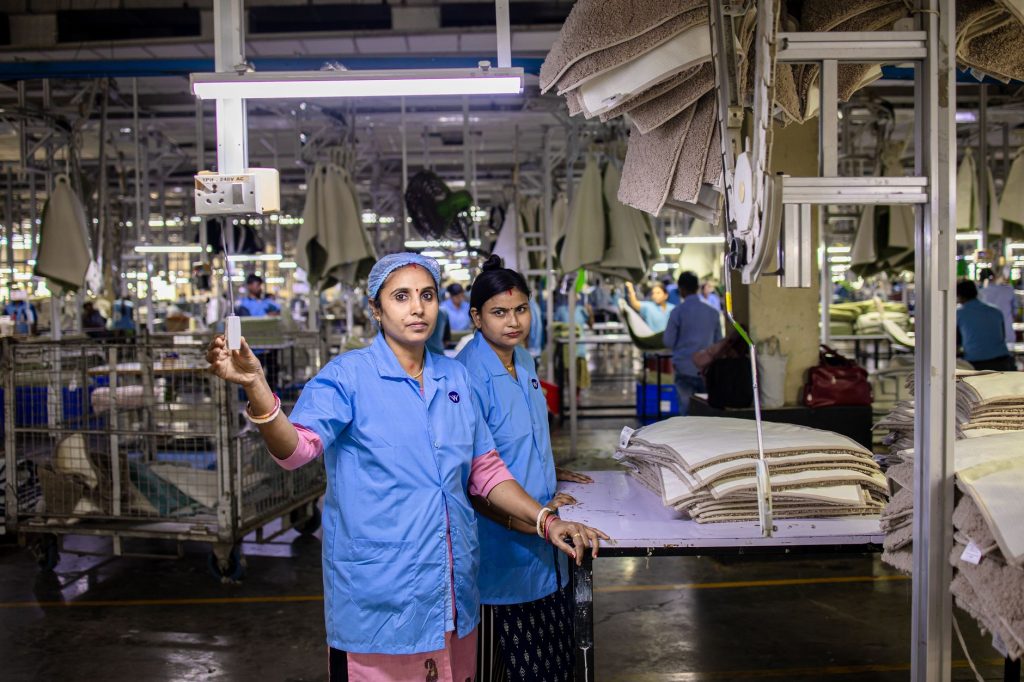
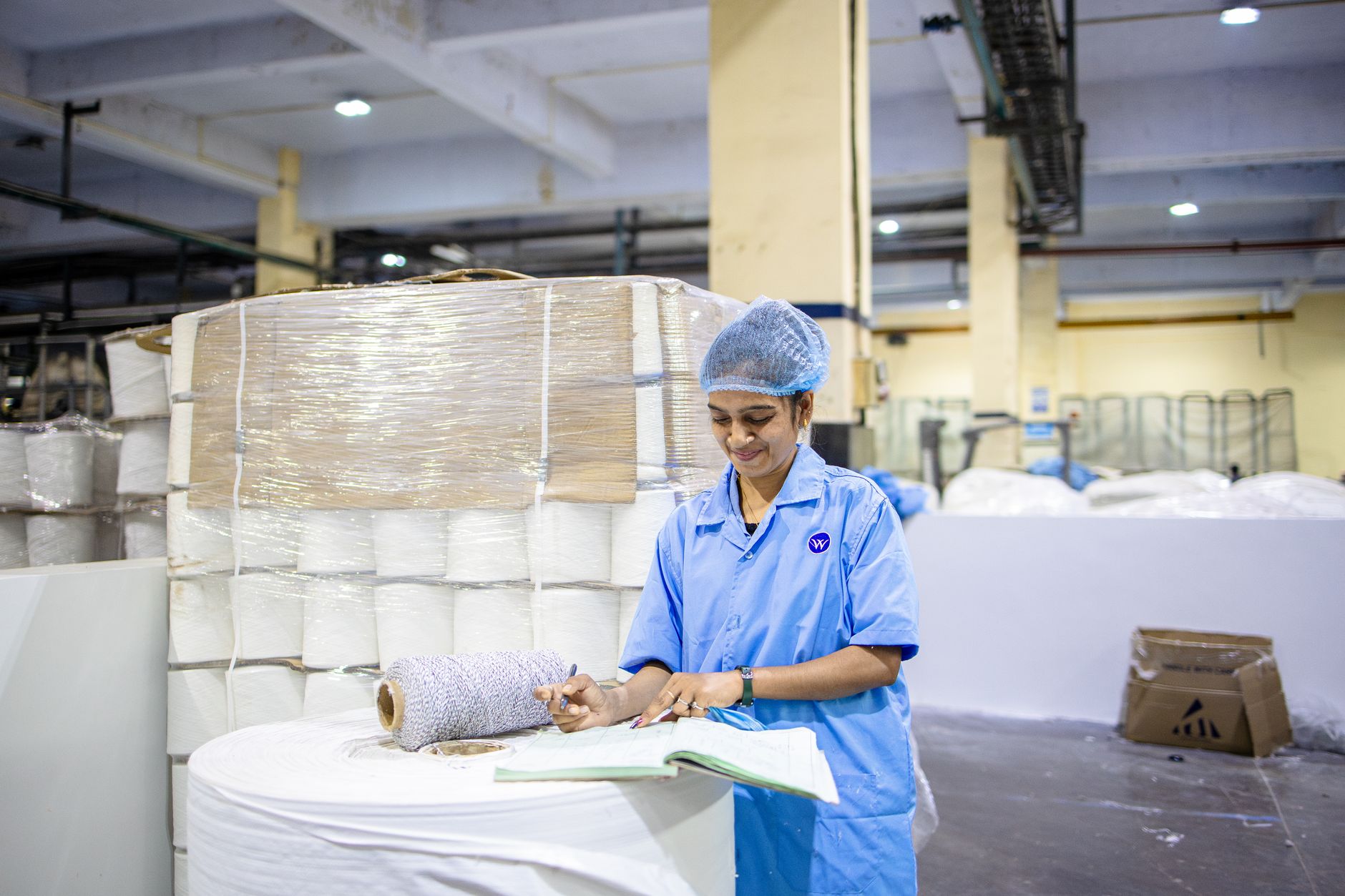
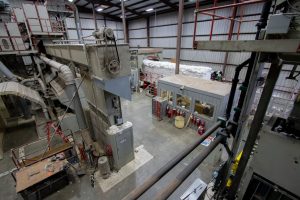
Gemba is a Japanese term meaning “the actual place” — in a
manufacturing context, the shop floor where value is actually created,
as opposed to a conference room where it’s discussed. A Gemba walk is a
structured practice of going to that actual place to observe the work
directly, rather than relying entirely on reports and dashboards
summarizing it secondhand.
Observing, not managing by walking around
Gemba walk vs. casual floor walkthrough
Gemba walk
Casual walkthrough
Structured, with a specific process or question in focus
General presence, no specific observation goal
Asks operators questions and listens
Often one-directional, management observing without engaging
Looks for waste and process deviation directly
Relies on what’s visually obvious or reported
The difference between watching and asking
A Gemba walk that consists only of watching misses half the value —
the operator running the process every day usually already knows why a
defect keeps happening or why a step takes longer than the standard.
Asking direct questions (“what makes this step hard,” “what would you
change”) surfaces information no dashboard captures, provided the
walk is framed as learning rather than inspection.
Why framing determines whether it works
A Gemba walk that operators experience as a surprise inspection
changes their behavior the moment leadership shows up, which corrupts
the entire point of going to observe the real process. Leaders who get
genuine value from Gemba walks generally make them routine and
visible in advance, framed explicitly around problem-solving rather
than catching mistakes.
Knowing the eight wastes by name doesn’t help until you’re actually standing on the floor looking for them — that’s what a Gemba walk is for. Read our field guide to the eight wastes of lean — with shop-floor examples.
Frequently asked questions
What does “Gemba” mean?
Gemba is a Japanese term meaning “the actual place” — in manufacturing, the shop floor where value is actually created. A Gemba walk means going to that place to observe work directly rather than relying on secondhand reports.
How is a Gemba walk different from a casual floor walkthrough?
A Gemba walk is structured around a specific process or question, involves asking operators questions and listening, and looks directly for waste and process deviation rather than relying on what’s visually obvious.
Why is asking questions part of a Gemba walk?
The operator running a process daily usually already knows why a defect keeps happening or why a step takes longer than standard. Direct questions surface that knowledge, which watching alone doesn’t capture.
Why does framing matter for Gemba walks?
A Gemba walk experienced as a surprise inspection changes operator behavior the moment leadership arrives, corrupting the observation. Effective Gemba walks are routine, visible in advance, and framed around problem-solving.
South Carolina Manufacturing Extension Partnership has delivered manufacturing training to South Carolina manufacturers since 1989. Articles are produced and reviewed by SCMEP's training team.