LEAN & CONTINUOUS IMPROVEMENT
Visual Management and the Visual Factory: Beyond 5S
How visual management communicates real-time status on the floor, and why a stale board is worse than no board.
How visual management communicates real-time status on the floor, and why a stale board is worse than no board.
Walk onto a well-run production floor and you
should be able to tell whether things are on track within about ten
seconds, without asking anyone a question. That’s the actual goal of
visual management — not the colorful boards themselves, but
the status they make instantly visible.
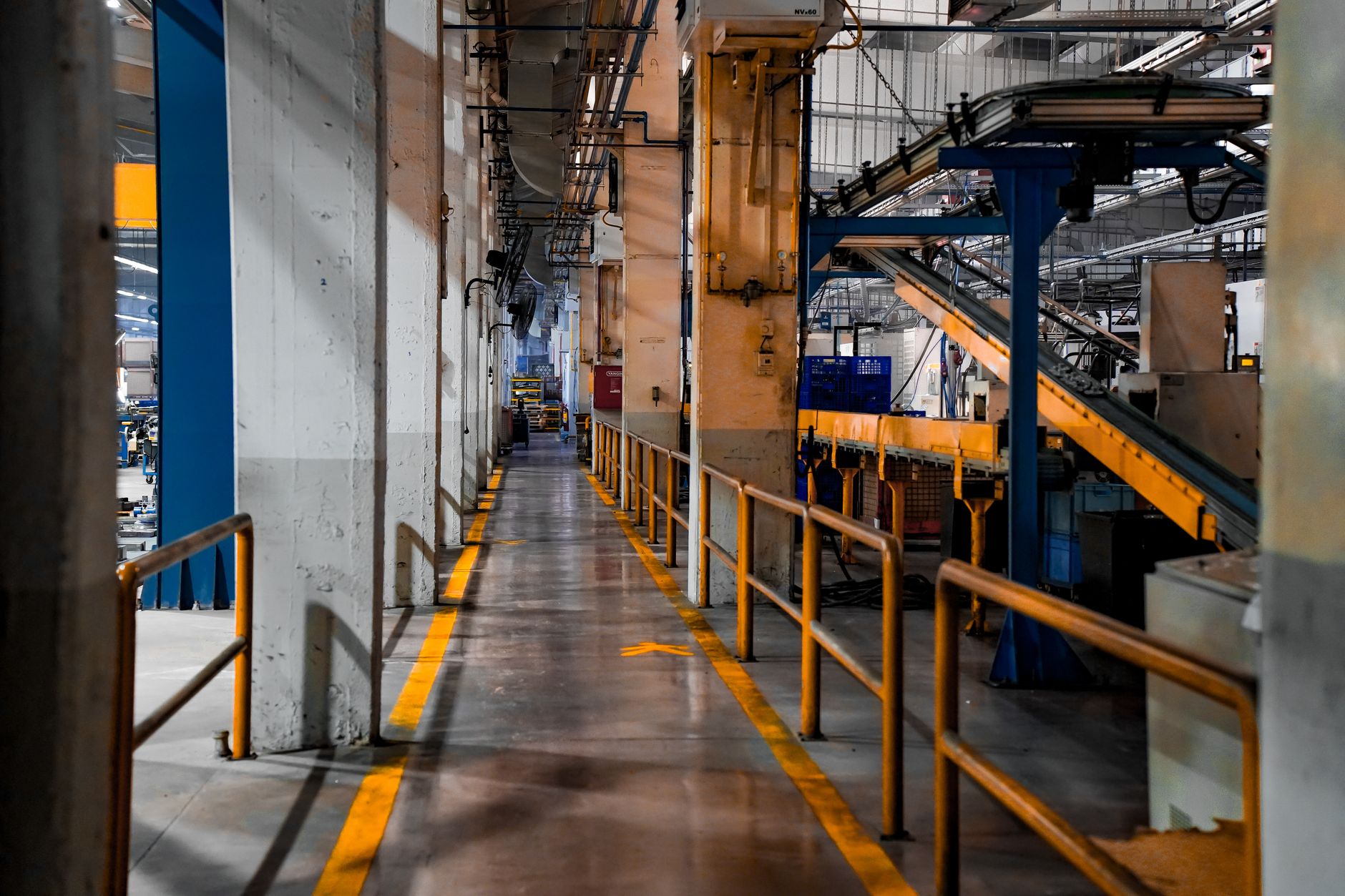
5S establishes a clean, organized baseline — a place for
everything. Visual management builds on that baseline to communicate
status, not just organization: is this machine running or down, is
this bin at reorder point, is this shift ahead of or behind takt.
A tidy floor with no status information on it is 5S without visual
management layered on top.
| Tool | What it communicates |
|---|---|
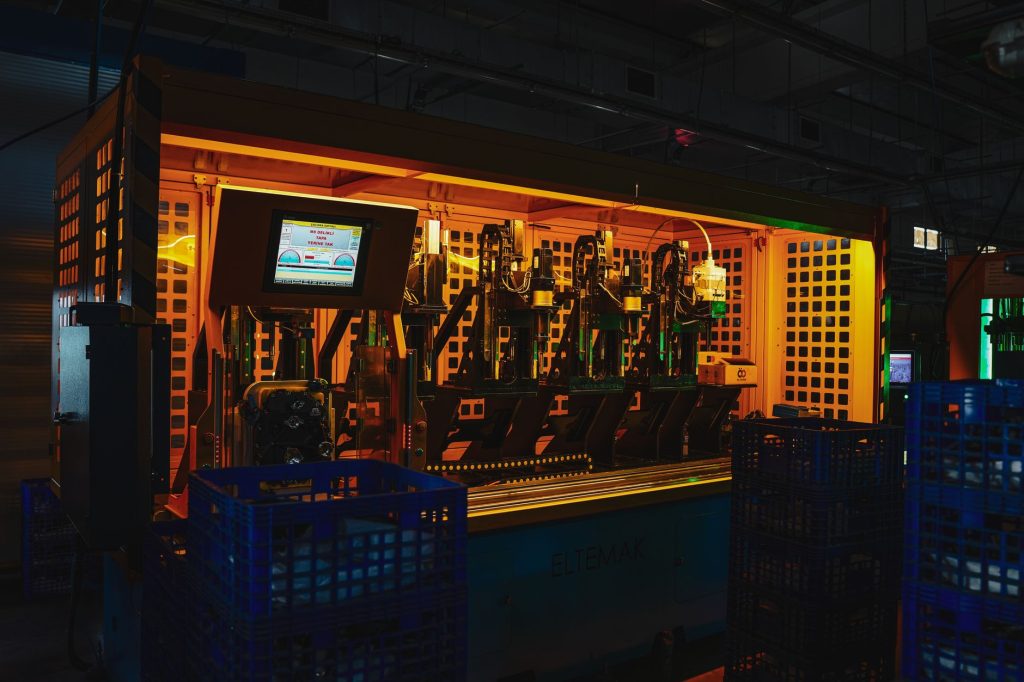
| Andon lights | Machine or station status at a glance — running, down, needs attention |
| Floor markings | Where material, equipment, and people belong — and where they don’t |
| Kanban cards or bins | When to reorder or replenish, without a manual count |
| Production status boards | Whether the shift is ahead of, on, or behind schedule |

The most common failure mode isn’t a bad tool choice — it’s
a board that stopped getting updated weeks ago and nobody removed
it. A visual management system that shows stale information is worse
than no system at all, because it trains people to stop trusting
what they see on the floor.
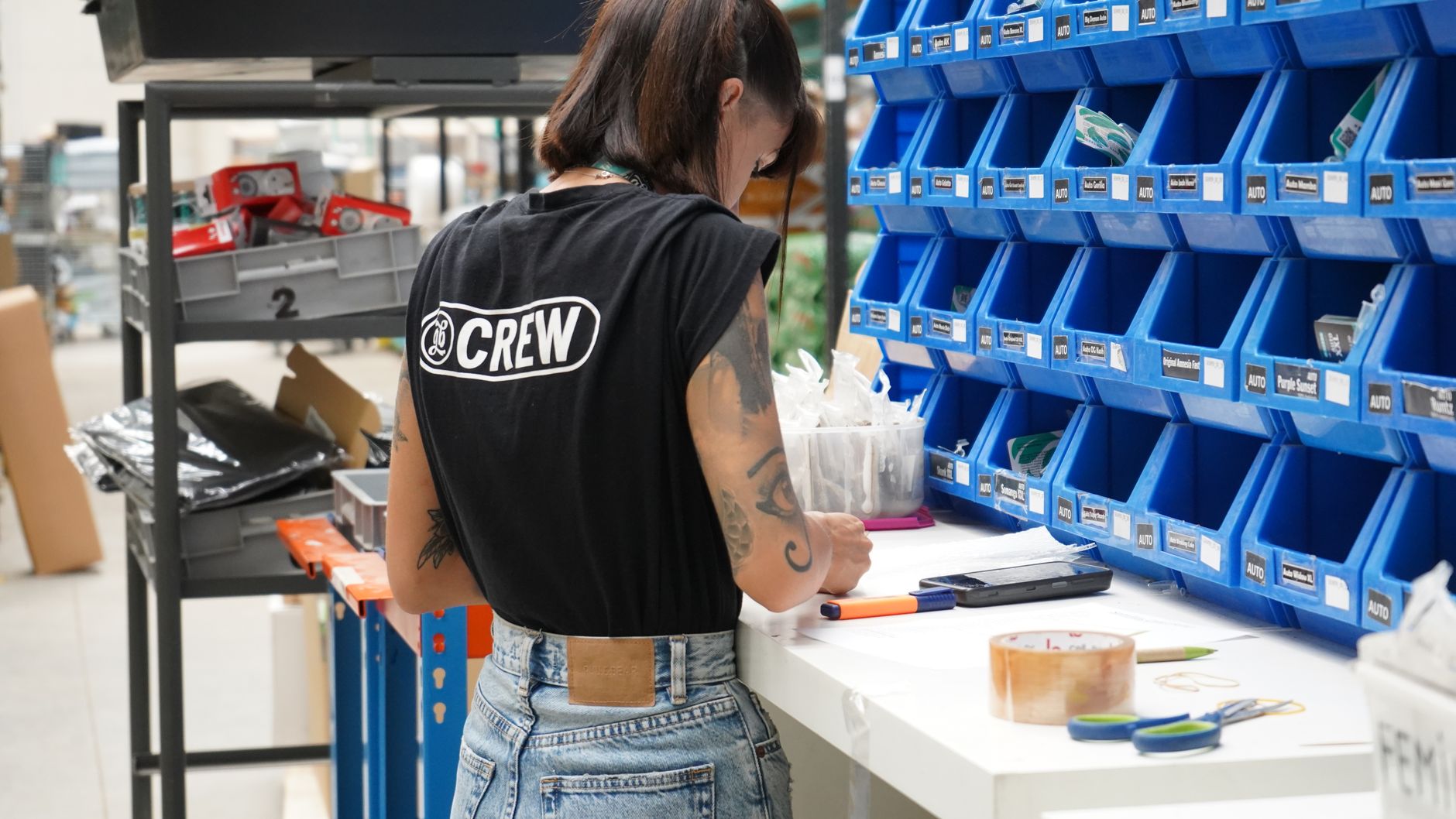
Good visual management design makes an abnormal condition obvious
to anyone walking by — a red light, an empty bin past its
reorder line, a chart with a point outside its control limits. If a
visitor has to ask a supervisor “is that number good or bad,” the
visual isn’t doing its job yet.
Visual management fits alongside the broader lean fundamentals
covered in SCMEP’s Lean and
Continuous Improvement training catalog. As a
NIST Manufacturing Extension Partnership affiliate
serving South Carolina manufacturers since 1989, our focus is
building a visual factory that stays current, not one that looks
good during a tour and stale the rest of the time.
If your team wants to build a visual management system that
actually gets used, you can
browse the Lean and
Continuous Improvement training catalog or email
the training
team.
Visual management builds directly on the organized baseline a 5S program establishes. See our guide to 5S workplace organization.
5S establishes a clean, organized baseline where everything has a place. Visual management builds on that to communicate real-time status — whether a machine is running, a bin needs reordering, or a shift is on schedule.
Andon lights showing machine status, floor markings defining where things belong, kanban cards or bins signaling reorder points, and production status boards showing schedule attainment.
A board or display stops getting updated but stays in place. Stale visual information is worse than none at all, because it trains people to stop trusting what they see on the floor.
An abnormal condition should be obvious to anyone walking by without needing to ask a supervisor whether a number is good or bad — a red light, an empty bin, or an out-of-control chart point.