Oil Analysis & Tribology: Predictive Maintenance Through Lubricant Testing
Oil analysis traces back to 1946, when a railroad started checking used lubricant for metal particles to catch diesel engine wear early. What oil analysis detects, how it compares to vibration analysis, and what ferrography reveals.
July 22, 2026 ·
Updated July 22, 2026 ·
4 min read ·
SCMEP Training Team ·
8 views
Share
Oil analysis traces back to 1946, when a railroad started checking
used lubricant for metal particles to catch diesel engine wear before
it became a failure — the same basic logic still drives predictive
maintenance programs today, just with far more sensitive instruments.
What oil analysis actually detects
Oil analysis examines a lubricant sample for three broad categories
of information: the oil’s own condition (has it degraded or oxidized),
contamination (water, dirt, or other fluids that shouldn’t be there),
and wear metal debris (particles shed by bearings, gears, and other
moving parts as they wear). That third category is what makes oil
analysis a genuine predictive maintenance tool — specific metals in
specific concentrations point toward specific components wearing
abnormally, often before vibration or temperature changes would be
noticeable.
Oil analysis vs. vibration analysis
Two predictive maintenance techniques compared
Oil analysis
Vibration analysis
What it senses
Chemical and physical condition of the lubricant itself
Mechanical vibration signatures of rotating equipment
Periodic fluid sample sent to a lab or tested on-site
Sensor readings, often continuous or scheduled
See our related guide on vibration
analysis for the mechanical-signature side of predictive
maintenance — the two techniques are complementary, not competing, and
a mature predictive maintenance program typically uses both on its
most critical assets.
Ferrography: reading the wear particles directly
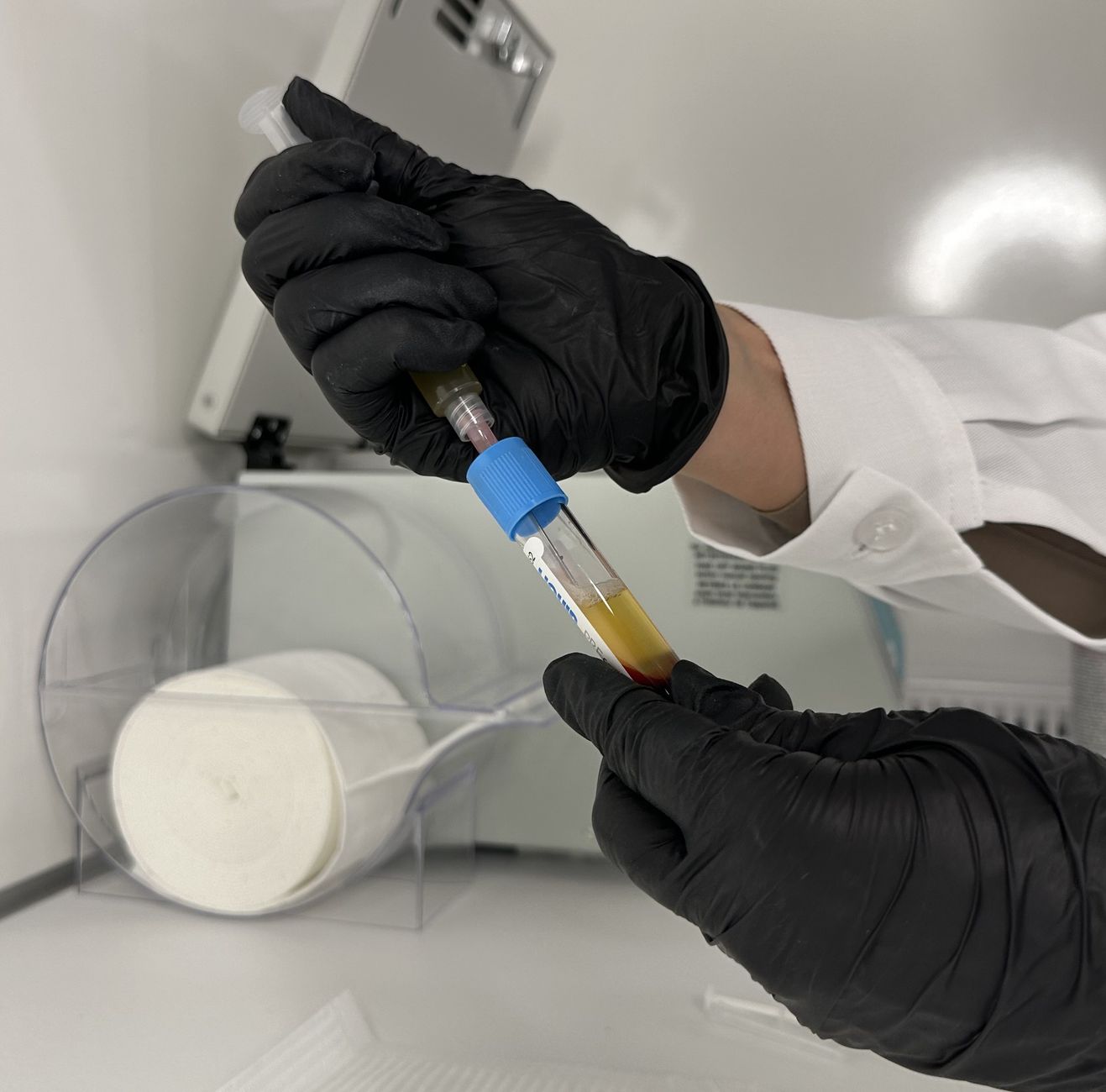
Ferrography, a core oil analysis technique, separates and examines
the actual iron and metal particles suspended in a used oil sample —
their size, shape, and concentration tell a trained analyst not just
that wear is happening, but often what specific failure mode is
producing it. A steady trickle of fine particles looks very different
under examination than a sudden spike of larger fragments, and that
distinction usually points toward a different root cause and urgency
level.
Certification and consistency
The International Council for Machinery Lubrication (ICML) offers
recognized certifications — including Machine Lubrication Technician
(MLT) and Machine Lubricant Analyst (MLA) — built around consistent,
ISO-aligned testing and interpretation standards. Consistent sampling
technique matters as much as lab accuracy: a contaminated sample bottle
or an inconsistent sampling point on the equipment can produce
misleading trend data that looks like a developing problem when it’s
actually just sampling error.
Oil analysis and vibration analysis are two of the three major predictive maintenance techniques. See our related guide on infrared thermography for the third, catching overheating connections and bearings before they fail.
Frequently asked questions
What does oil analysis actually check for?
Oil analysis examines lubricant condition (degradation), contamination (water, dirt, other fluids), and wear metal debris shed by bearings, gears, and other moving parts as they wear — the wear debris is what makes it a predictive maintenance tool.
How is oil analysis different from vibration analysis?
Oil analysis examines the chemical and physical condition of the lubricant itself, best at catching gradual wear and contamination. Vibration analysis senses mechanical vibration signatures, best at catching imbalance, misalignment, and bearing defects. They’re complementary techniques.
What is ferrography?
Ferrography is an oil analysis technique that separates and examines actual metal wear particles in a used oil sample. The size, shape, and concentration of particles can indicate specific failure modes, not just that wear is occurring.
What certifications exist for oil analysis?
The International Council for Machinery Lubrication (ICML) offers certifications including Machine Lubrication Technician (MLT) and Machine Lubricant Analyst (MLA), built around consistent, ISO-aligned testing and interpretation standards.
South Carolina Manufacturing Extension Partnership has delivered manufacturing training to South Carolina manufacturers since 1989. Articles are produced and reviewed by SCMEP's training team.