Vibration Analysis 101: Predictive Maintenance for Rotating Equipment
A bearing about to fail changes its vibration signature in specific, measurable ways long before a human ear would notice. What vibration analysis actually measures, common fault signatures, and how it fits alongside a Reliability Centered Maintenance strategy.
July 22, 2026 ·
Updated July 22, 2026 ·
4 min read ·
SCMEP Training Team ·
6 views
Share
A bearing about to fail doesn’t just get louder — it changes its
vibration signature in specific, measurable ways long before a human
ear would notice anything wrong. That gap between “detectable by
instrument” and “detectable by ear” is the entire economic case for
vibration analysis.
What vibration analysis actually measures
Vibration analysis (VA) is a condition-monitoring technique — often
used interchangeably with the broader term “predictive maintenance”
(PdM) — applied to rotating equipment like motors, fans, pumps, and
gearboxes. Sensors capture displacement, velocity, and acceleration
signals from the equipment, and analysis of that data can identify
specific developing faults: imbalance, misalignment, bearing wear, and
looseness each produce a distinct vibration pattern.
Why this beats waiting for a failure
Maintenance strategies compared
Strategy
When work happens
Reactive (run to failure)
After the equipment has already failed
Preventive
On a fixed schedule, regardless of actual equipment condition
Predictive (vibration analysis)
When the data shows a developing fault, before failure occurs
Vibration analysis fits into the predictive category — it doesn’t
replace preventive maintenance schedules entirely, but it lets a plant
intervene based on actual equipment condition rather than a calendar
guess. A bearing replaced because vibration data shows a developing
fault is a planned repair on a convenient schedule; the same bearing
allowed to fail is an unplanned outage, often with secondary damage to
the equipment around it.
Common faults and their signatures
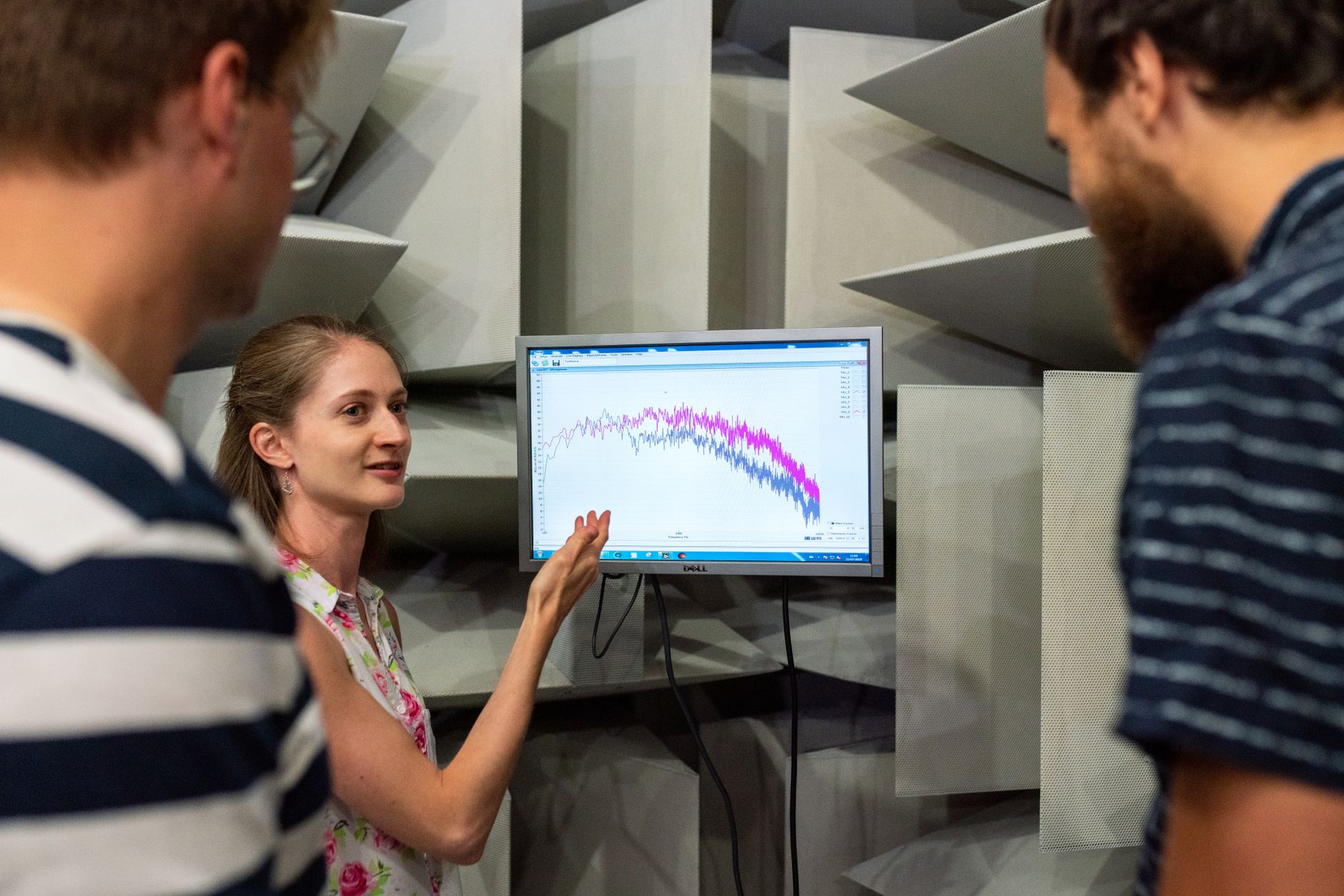
Different mechanical problems tend to show up at different points in
a vibration frequency spectrum, which is part of why raw vibration data
alone isn’t useful without analysis — imbalance typically shows up at
the equipment’s fundamental running speed, misalignment often produces
strong signals at multiples of that speed, and bearing defects tend to
show up at higher frequencies tied to the specific bearing’s geometry.
Reading that spectrum correctly is a skill that develops with training
and experience on real equipment, not something a sensor alone provides.
Where this fits alongside a broader reliability strategy
Vibration analysis is a technique, not a complete maintenance
strategy on its own — deciding which equipment gets vibration monitoring
in the first place is a Reliability Centered Maintenance question, since
not every piece of equipment justifies the sensor and analysis
investment. The two work together: RCM decides what strategy fits each
asset, and vibration analysis is often the specific tool that
implements a predictive strategy once RCM has selected it.
Vibration analysis also connects directly to the broader strategy
question — see our related guide on Reliability Centered
Maintenance for how to decide which assets actually justify
predictive monitoring.
Vibration analysis isn’t the only predictive maintenance technique.
See our related guide on oil
analysis and tribology for the second major technique, tracing back
to 1946 railroad diesel maintenance.
Vibration analysis is often how a failing bearing gets caught before it fails outright. See our related guide on bearing lubrication and L10 life for the ISO 281 rating vibration analysis is trying to catch bearings falling short of.
Frequently asked questions
What is vibration analysis?
Vibration analysis is a predictive maintenance technique that measures displacement, velocity, and acceleration signals from rotating equipment to detect developing faults like imbalance, misalignment, and bearing wear before failure occurs.
How is vibration analysis different from preventive maintenance?
Preventive maintenance happens on a fixed schedule regardless of actual equipment condition. Vibration analysis is predictive — it triggers maintenance based on real data showing a developing problem, allowing planned repairs instead of reacting to unplanned failures.
What kinds of problems can vibration analysis detect?
Common faults include imbalance, misalignment, bearing wear, and mechanical looseness. Each tends to produce a distinct pattern in the vibration frequency spectrum that a trained analyst can identify.
How does vibration analysis relate to Reliability Centered Maintenance?
RCM is the process that decides which maintenance strategy fits each specific asset. Vibration analysis is often the specific technique used to implement a predictive strategy once RCM analysis has determined that approach is the right fit for a piece of equipment.
South Carolina Manufacturing Extension Partnership has delivered manufacturing training to South Carolina manufacturers since 1989. Articles are produced and reviewed by SCMEP's training team.