Digital Twin for Manufacturers: Start With One Machine, Not the Whole Plant
A digital twin isn't a 3D model or a simulation — it's synced to live data from a real asset. What actually makes something a digital twin, the three maturity levels, and why starting with one bottleneck machine beats a whole-plant project.
July 22, 2026 ·
6 min read ·
SCMEP Training Team ·
5 views
Share
A digital twin isn’t a fancy 3D model, and it isn’t a simulation you run
once and forget. The difference that actually matters: a digital twin
stays connected to its physical counterpart’s real, current condition
through live data, so it reflects what the machine is doing right now —
not what it was designed to do or what a hypothetical scenario predicts.
What actually makes something a “digital twin”
A 3D CAD model is static geometry — accurate the day it was drawn, but
disconnected from anything happening on the floor. A simulation tests
assumed or hypothetical inputs, useful for planning but not tied to one
specific real asset’s current state. A digital twin is different: it’s a
virtual model of a specific physical asset, process, or system, kept in
sync through live or near-real-time sensor data, often with the
connection running both directions — data flows to the model, and
insights or commands can flow back to the physical equipment.
3D model vs. simulation vs. digital twin
Live data connection
Reflects current state
Typical use
3D / CAD model
No
No — reflects design intent
Design, visualization
Simulation
No
No — reflects assumed inputs
Planning, what-if testing before a change is made
Digital twin
Yes
Yes — synced to the real asset
Live monitoring, predictive maintenance, what-if testing against real data
Three levels, and why the level matters
“Digital twin” gets used for projects at very different scales, and
conflating them is where budgets and expectations go wrong.
Digital twin maturity levels
Level
Scope
Data & IT complexity
Asset twin
A single machine or piece of equipment
Lowest — a handful of sensors on one asset
Process twin
A production line or cell
Moderate — multiple assets, coordination between them
System twin
A whole plant or network of facilities
Highest — plant-wide data integration, significant IT investment
Almost every genuinely useful small-manufacturer digital twin project
starts at the asset level, not the system level. A single bottleneck
machine — the one that actually determines your line’s output — is a far
more realistic starting point than “digitize the whole plant.”
Starting small: the on-ramp that actually works
The realistic path for a small or mid-size plant looks like this: pick
one critical or bottleneck asset, instrument it with sensors that feed
real-time condition data (vibration, temperature, cycle counts,
whatever’s relevant to that machine), and build the virtual model around
that single asset. A machine-level pilot is typically achievable in a
matter of weeks, not years, with the goal of proving real value — usually
around predicting a failure or catching a degrading trend before it causes
downtime — before ever discussing a plant-wide system.
This mirrors the same on-ramp pattern that shows up elsewhere in
automation: start with the smallest version that produces real value,
and let success on that scale justify the next one. A digital twin
program that starts at “the whole plant” tends to stall on IT complexity
and unclear ownership before it ever produces a usable result.
Picking the right first asset matters more than picking the most
exciting one. The best candidate is usually the machine that already has
the most downtime history, the clearest failure symptoms, and the most
obvious cost when it goes down — not necessarily the newest or most
expensive piece of equipment on the floor. A twin that proves it can
predict a real, recurring failure on a genuinely painful machine builds
far more internal support for expanding the program than one built on a
machine nobody was worried about in the first place.
What actually goes wrong
The most common failure isn’t technical — it’s scope. A team gets
excited about the concept, skips the asset-level pilot, and tries to
build a process or system twin first. That means solving data
integration across multiple pieces of equipment, multiple data formats,
and unclear ownership all at once, before anyone has proven the basic
premise works on a single machine. The project stalls under its own
complexity, and the org concludes “digital twins don’t work for us,”
when the real lesson was “we started at the wrong level.”
The second common mistake is treating the sensor installation as the
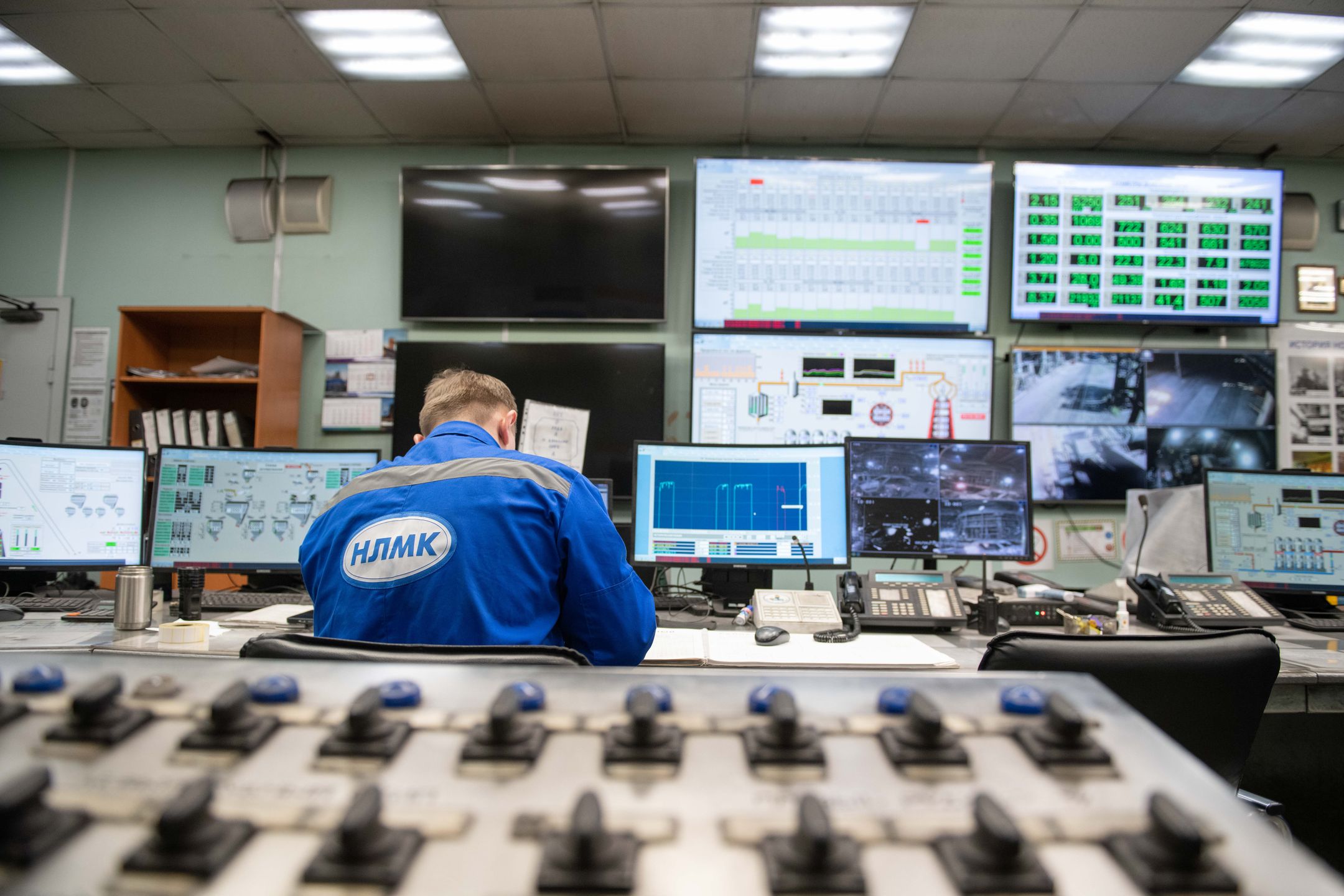
finish line. A digital twin only creates value once someone is actually
using the live data to make a decision — adjusting a maintenance
schedule, catching a trend before failure, testing a process change
against real conditions. Instrumenting a machine and then not building any
workflow around the data it produces gets you a very expensive dashboard,
not a digital twin that does anything.
What’s the difference between a digital twin and a 3D model?
A 3D model is static geometry — accurate to the design, but not connected to live data. A digital twin stays synced to its physical counterpart’s real, current condition through live or near-real-time sensor data, so it reflects what’s actually happening now, not just what was designed.
Is a digital twin the same as a simulation?
No. A simulation tests assumed or hypothetical inputs and isn’t tied to one specific real asset’s current state. A digital twin is continuously synchronized to a specific physical asset’s actual condition, which is what makes live monitoring and predictive maintenance possible.
Do small manufacturers need a digital twin?
Not a plant-wide one to get real value. The realistic starting point is an asset-level twin of one critical or bottleneck machine — a much smaller, faster, and cheaper project than a full system twin, and it’s where most successful small-manufacturer projects actually begin.
What’s the difference between an asset twin, process twin, and system twin?
An asset twin covers a single machine. A process twin covers a production line or cell — multiple coordinated assets. A system twin covers a whole plant or network of facilities. Data and IT complexity increase substantially at each level.
What has to be in place before you can build a digital twin?
Live sensor connectivity on the physical asset — without real-time or near-real-time data flowing from the equipment, there’s nothing for the virtual model to stay synced to. That connectivity foundation is what IIoT (Industrial Internet of Things) training covers.
South Carolina Manufacturing Extension Partnership has delivered manufacturing training to South Carolina manufacturers since 1989. Articles are produced and reviewed by SCMEP's training team.