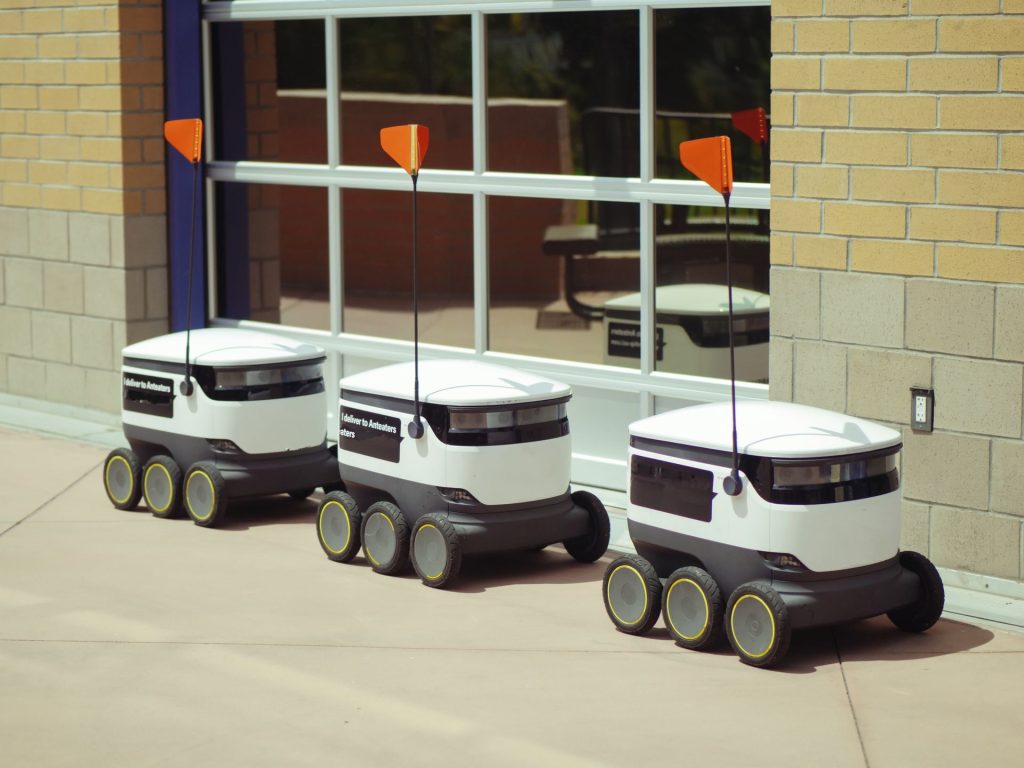
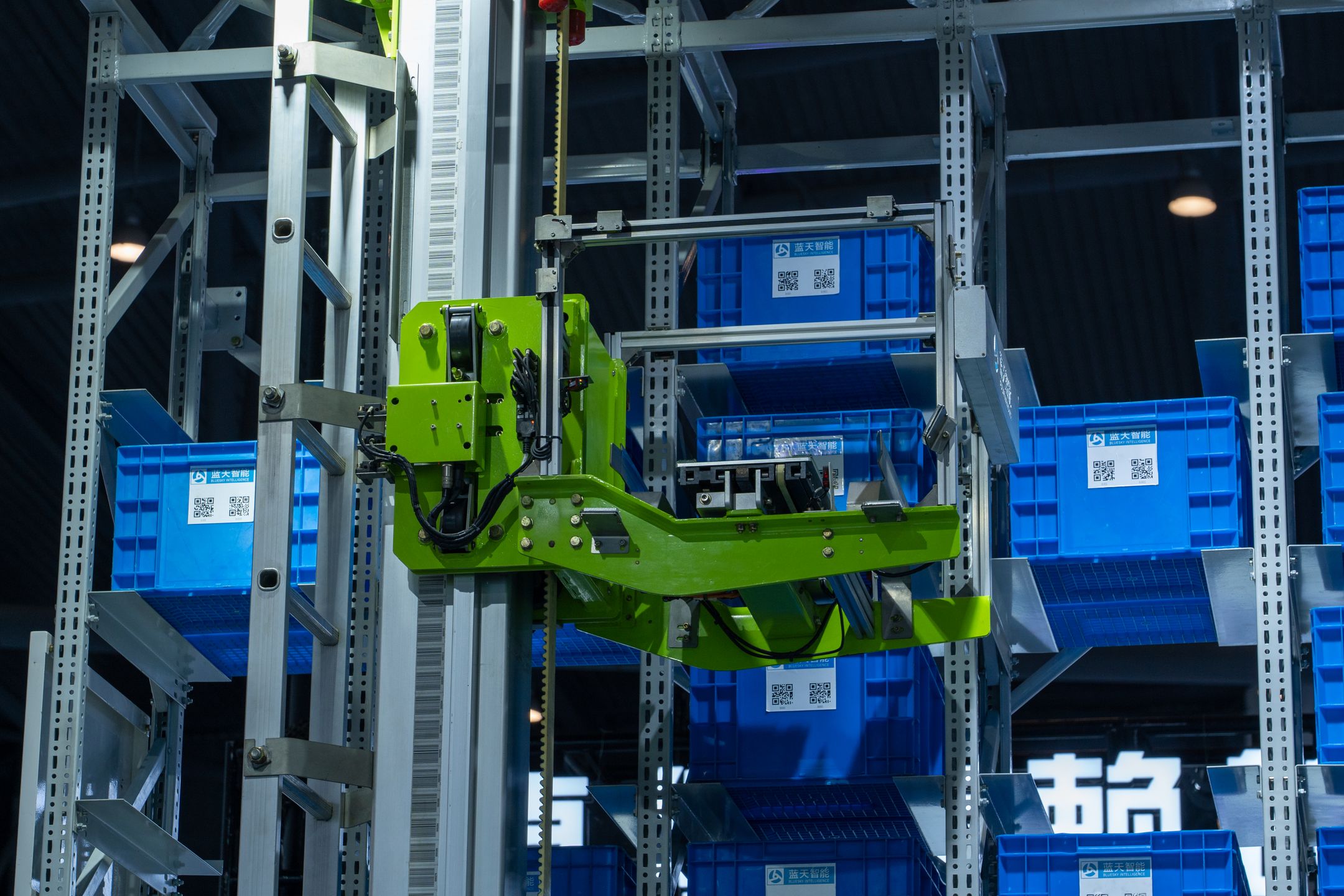
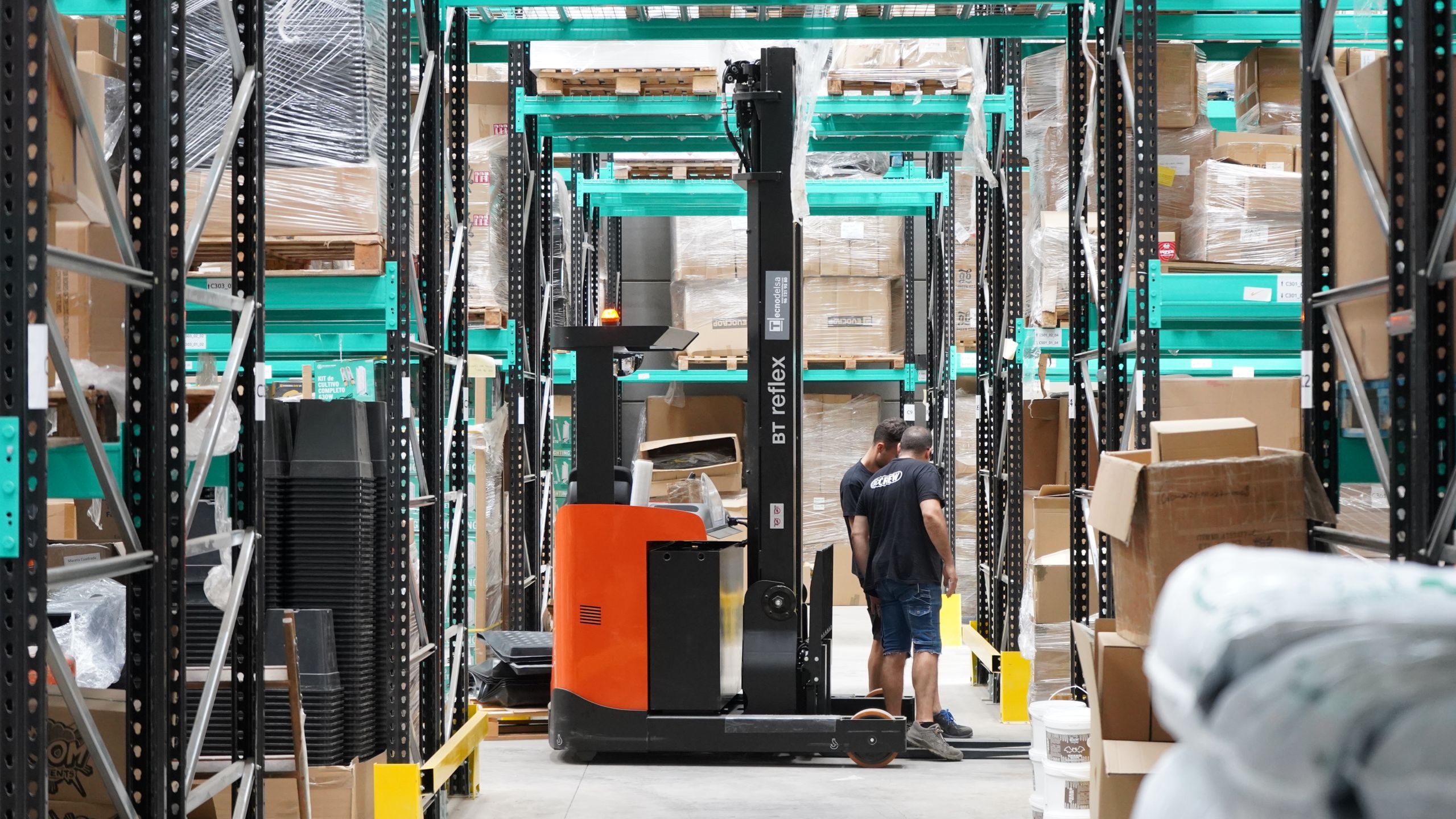
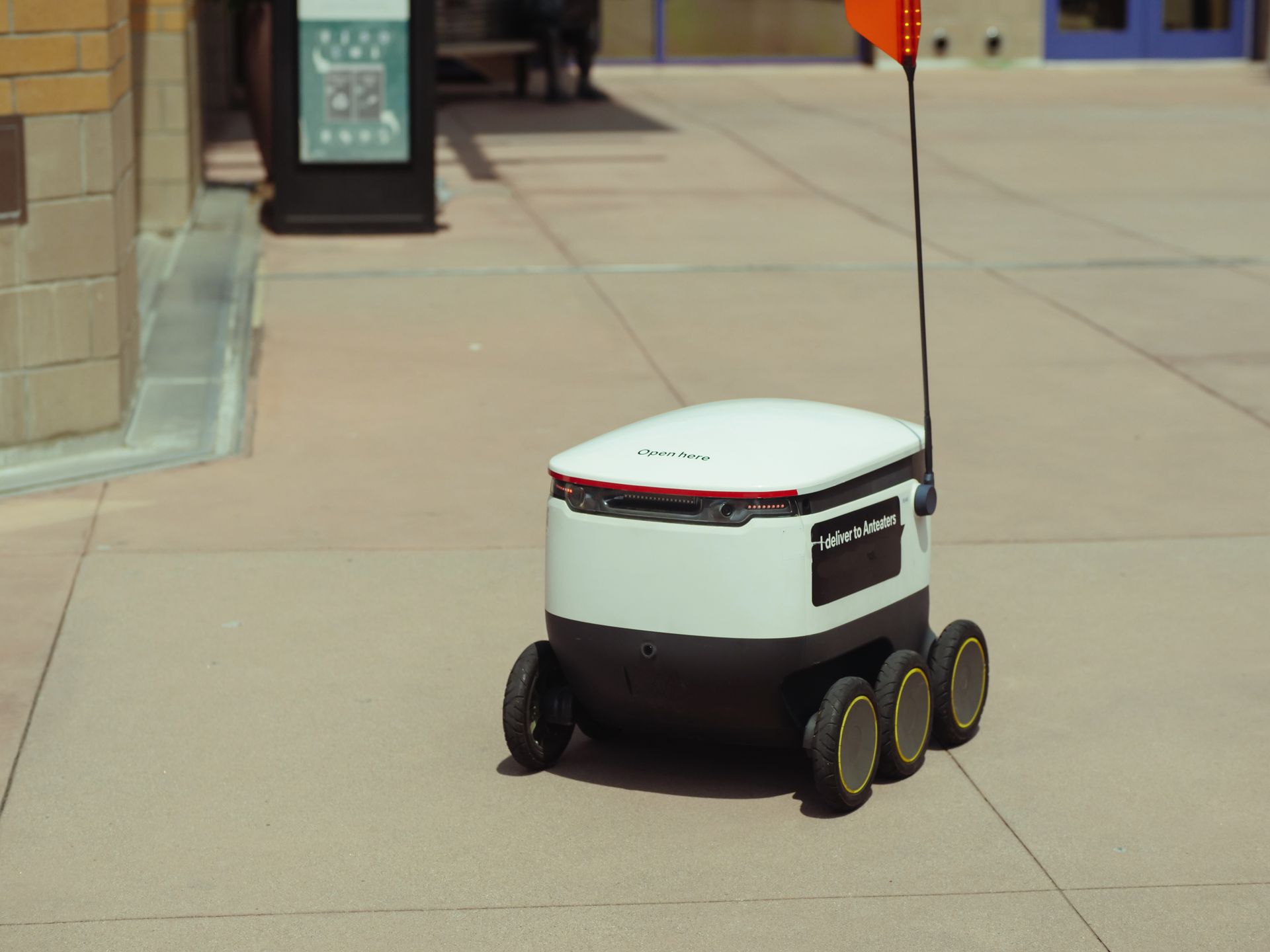
An AGV follows a fixed path; an AMR builds its own map and reroutes around obstacles in real time. The SLAM technology behind that difference, and what to weigh before choosing either for a warehouse or plant floor.
July 22, 2026 ·
5 min read ·
SCMEP Training Team ·
171 views
Share
An AGV follows a path someone painted or buried in the floor. An AMR
builds its own map and decides its own route around whatever’s actually
there today. That’s the whole distinction, and it’s why the two aren’t
interchangeable despite both being called “warehouse robots” in casual
conversation.
AMR vs. AGV
Autonomous Mobile Robots vs. Automated Guided Vehicles
AGV
AMR
Navigation
Fixed path — embedded wires, magnetic tape, floor markers
High — reroutes live around obstacles and layout changes
Deployment
Lower unit cost, higher install cost (infrastructure)
Higher unit cost, faster and cheaper to install
Obstacle handling
Stops, or requires a clear path
Detects and navigates around obstacles
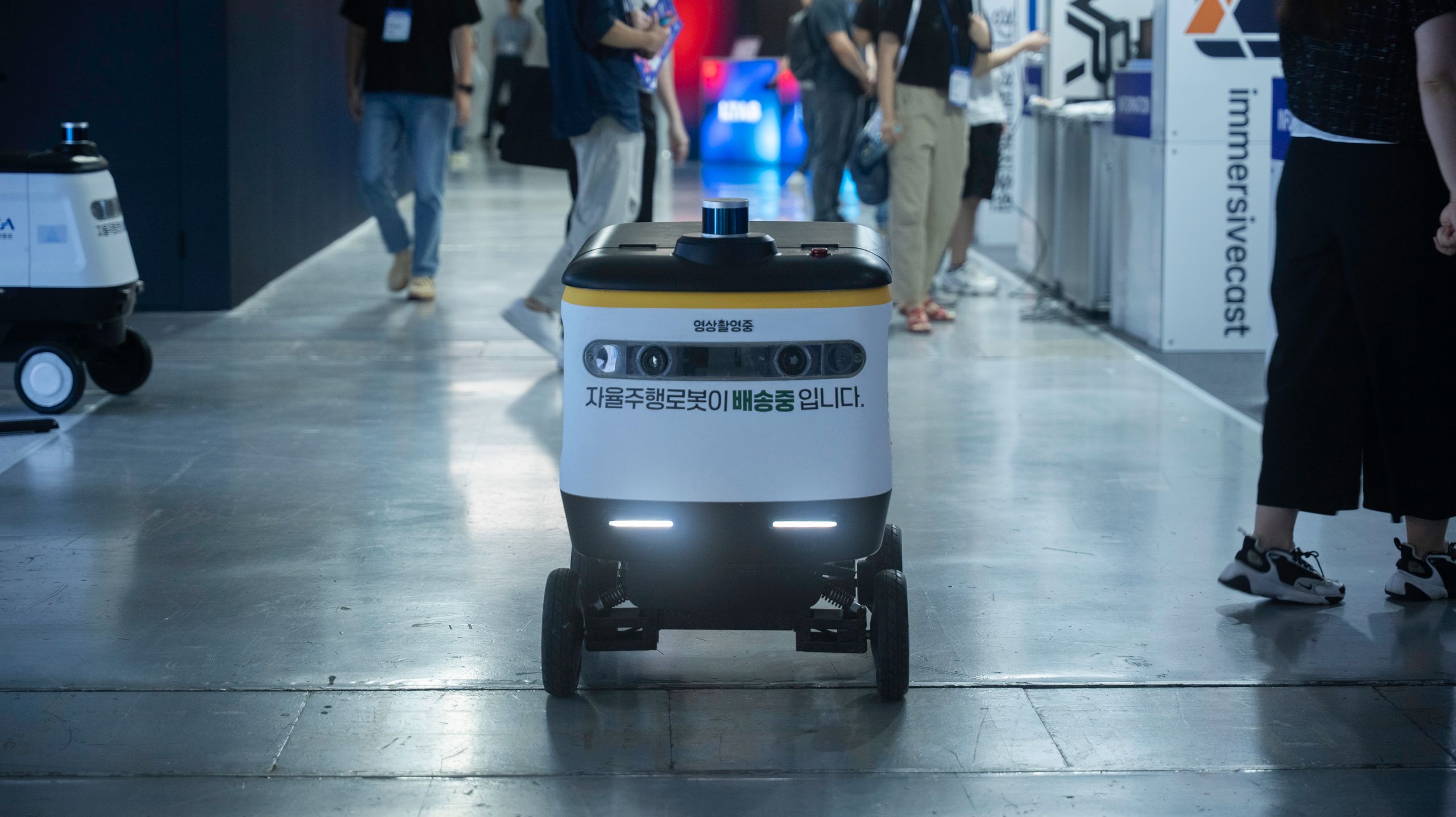
SLAM — Simultaneous Localization and Mapping — is the technology
underneath that flexibility: the robot builds a map of its environment
using onboard sensors (typically LiDAR, sometimes cameras) while
simultaneously figuring out where it is on that map, updating both in
real time as it moves. That’s what lets an AMR reroute around a pallet
someone left in an aisle instead of stopping dead, the way a
fixed-path AGV typically would.
The line has blurred somewhat as some newer AGVs adopt sensor-based
navigation too — this isn’t always a clean binary in current equipment,
and it’s worth checking what a specific vendor’s “AGV” or “AMR” actually
does rather than assuming from the label alone.
Fleet coordination, not just single robots
Most real deployments run a fleet of AMRs, not a single unit, which
means the software coordinating them matters as much as the robots
themselves. A fleet management system routes tasks to whichever robot is
closest or least busy, prevents traffic jams in narrow aisles, and
integrates with a warehouse management system (WMS) or ERP so the robots
know what needs to move where without a human dispatching each trip
manually. Evaluating an AMR purchase without evaluating the fleet
software behind it is evaluating half the system.
What AMRs actually do on a floor
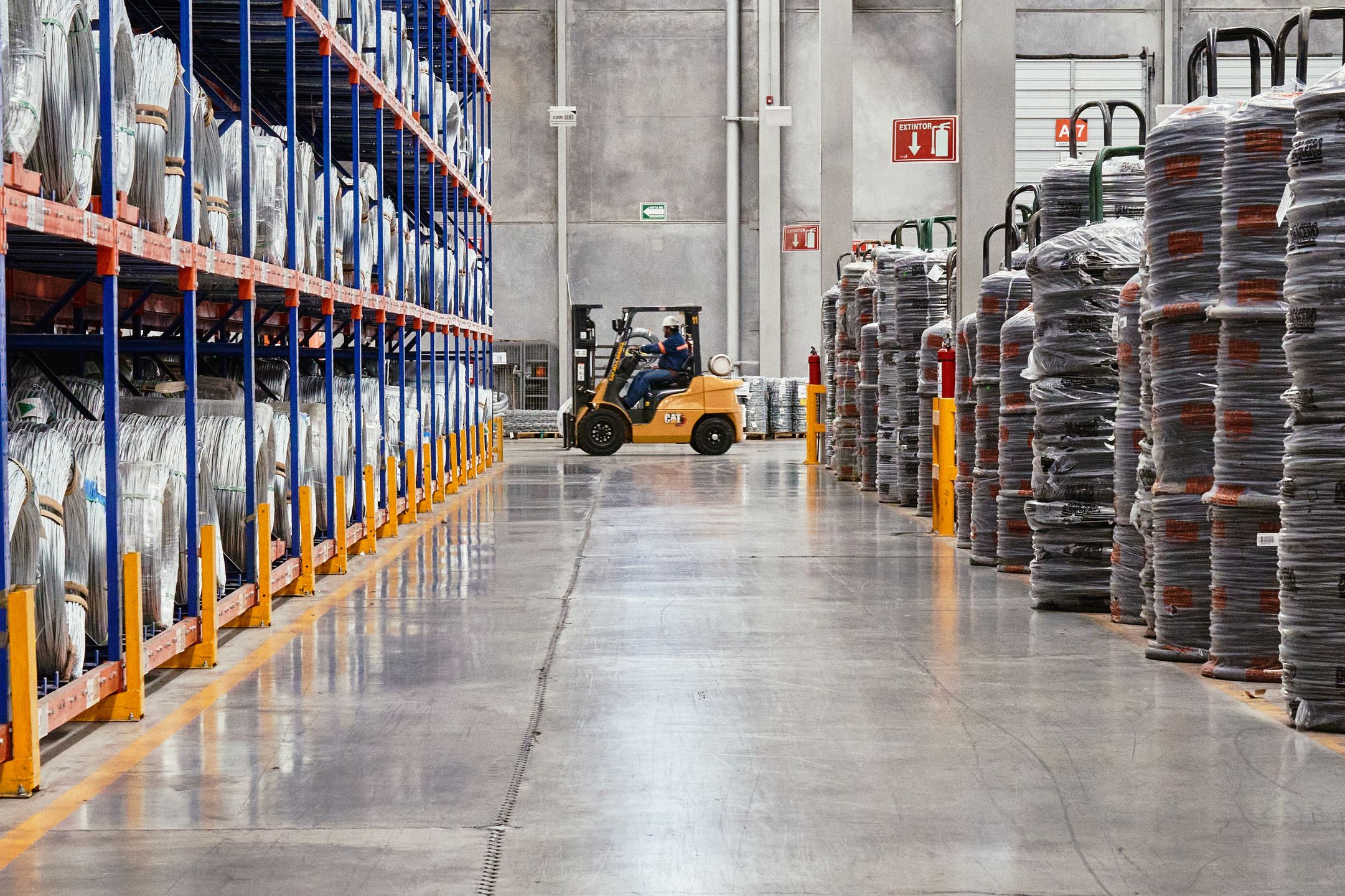
The most common applications are material transport between
workstations (replacing a human pushing a cart on a fixed route),
pick-and-pack support in warehousing (bringing inventory to a picker
rather than sending the picker to walk the aisles), and inventory
scanning or cycle counting overnight when the floor is otherwise
idle. None of these require the robot to do the actual pick, pack, or
assembly work itself — the value is in eliminating walking and
waiting time, which is often a larger share of a warehouse worker’s
shift than the actual task.
This is a genuinely different category from the fixed robotic
arms covered in our
manufacturing robotics training guide — an AMR moves through the
facility; a cobot or industrial robot arm stays fixed and moves
material or tools within its own reach. Some operations use both
together: an AMR delivers parts to a fixed robotic cell, or picks up
finished goods from one.
The two technologies also tend to enter a plant through different
doors. A robotic arm usually gets justified against a specific,
repetitive task at one station. An AMR usually gets justified against a
material-flow problem spanning the whole facility — how much walking,
waiting, and manual cart-pushing happens between stations in a typical
shift. Sizing that walking-and-waiting time honestly, before assuming an
AMR is the fix, is worth doing up front.
Starting with a pilot, not a fleet
The same on-ramp pattern that works for other automation
investments applies here: a single-robot pilot on one well-understood
route, run long enough to measure real throughput and reliability,
beats committing to a multi-robot fleet before anyone on staff has
operated one. A pilot also surfaces the practical friction points — aisle
width, charging logistics, how the WMS integration actually behaves —
that are expensive to discover only after a larger purchase.
An AGV (Automated Guided Vehicle) follows a fixed physical path — wires, magnetic tape, or floor markers — and needs infrastructure changes to reroute. An AMR (Autonomous Mobile Robot) navigates dynamically using onboard sensors and mapping, rerouting in real time around obstacles.
What is SLAM in robotics?
SLAM stands for Simultaneous Localization and Mapping — the technique an AMR uses to build a map of its surroundings while simultaneously determining its own position on that map, using onboard sensors like LiDAR.
What do AMRs actually do in a warehouse or factory?
Common uses include transporting materials between workstations, supporting pick-and-pack operations by bringing inventory to a worker, and running inventory scans or cycle counts. They typically handle movement, not the pick, pack, or assembly task itself.
Are AMRs safe to work alongside people?
AMRs are generally designed to detect people and obstacles and navigate around them, which is part of why they don’t typically require the fencing that traditional fixed industrial robots do. Specific safety requirements still depend on the vendor and the application.
South Carolina Manufacturing Extension Partnership has delivered manufacturing training to South Carolina manufacturers since 1989. Articles are produced and reviewed by SCMEP's training team.