Skip to content

Category: Automation & Robotics

Industrial automation, robotics and controls training for manufacturers.

  • PLC Training for Manufacturing: A Beginner’s Guide

    PLC Training for Manufacturing: A Beginner’s Guide

    Almost every machine on a modern production floor is run by a PLC. Almost
    no one who works around those machines was ever taught what one actually is —
    they just learn which buttons matter through repetition.

    PLC training closes that gap. This guide covers what a PLC does, who
    actually needs to learn this, how the real learning paths compare, and how
    long it honestly takes — written for people evaluating this for themselves or
    for their team, not for people selling a course.

    What is a PLC, actually?

    A PLC — programmable logic controller — is an industrial computer that
    reads inputs from sensors and switches, runs a set of logic against them, and
    drives outputs like motors, valves and lights. It’s the thing deciding when a
    conveyor starts, when a guard has to stay locked, and when a fault should
    stop the line.

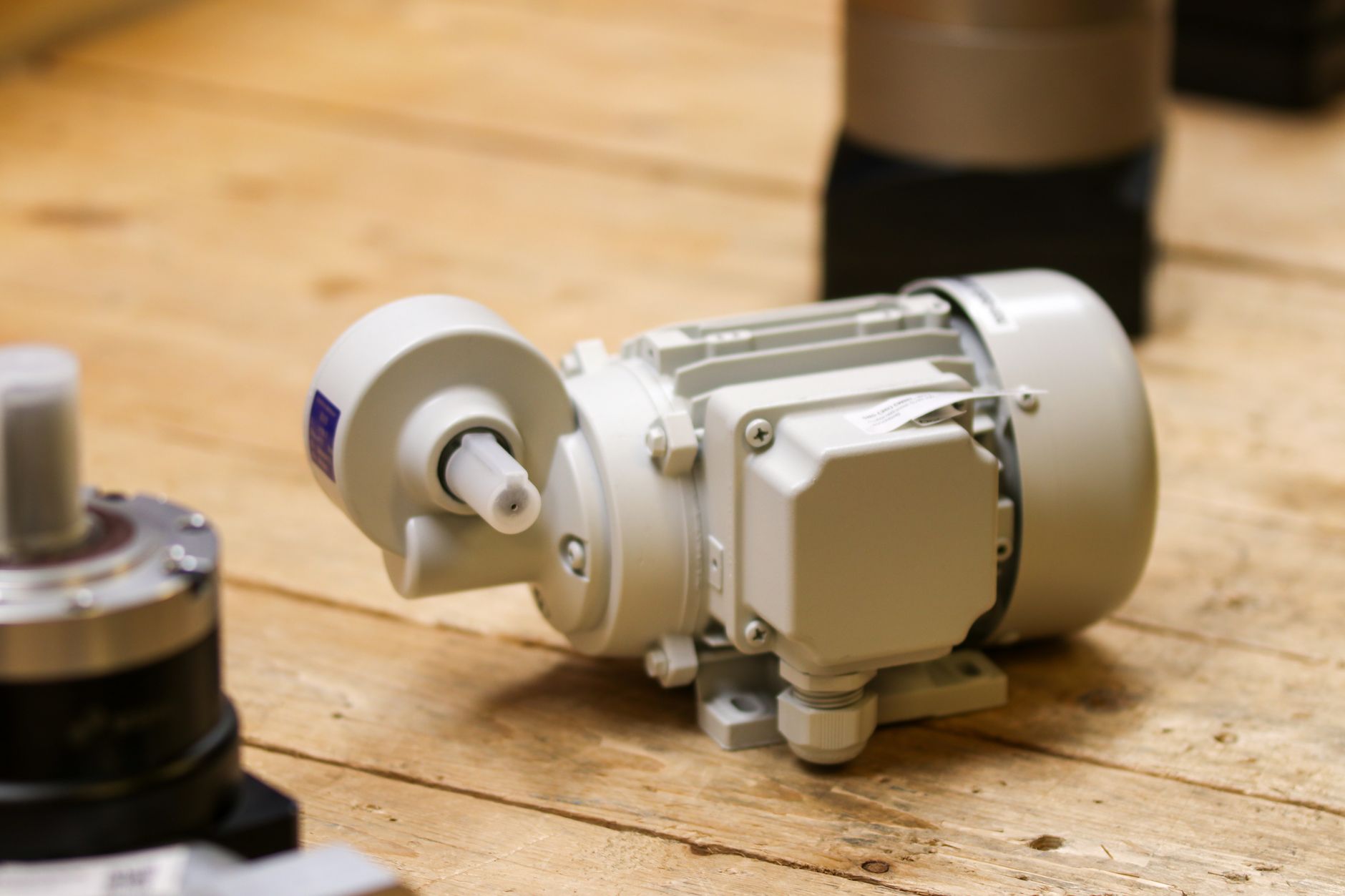
    Compact industrial controller mounted inside a control cabinet with wiring

    Most PLCs are programmed in ladder logic, a visual
    language built to look like the relay wiring diagrams it replaced — which is
    exactly why it’s approachable for someone with an electrical or maintenance
    background, even with no software experience at all.

    How is a PLC different from a regular computer?

    A PLC runs one program in a continuous loop — read inputs, evaluate
    logic, update outputs, repeat, dozens of times a second — instead of running
    many applications at once like a desktop computer does. That single-purpose
    design is what makes it reliable enough to sit on a factory floor for
    decades: no operating system updates, no background processes, nothing
    competing for its attention.

    A microcontroller is closer in spirit — also single-purpose — but a PLC
    adds industrial-grade housing, hot-swappable I/O modules, and a programming
    environment built for electricians rather than software developers. That
    combination, not raw processing power, is the actual reason plants standardize
    on PLCs instead of general-purpose computers or bare microcontrollers.

    Who actually needs PLC training?

    “Learn PLCs” means something different depending on the job:

    • Operators and technicians mainly need to read a
      program, clear faults, and understand what the logic is doing — not write
      it from scratch.
    • Maintenance staff need to troubleshoot: force an
      input, trace a rung, tell a wiring fault from a logic fault.
    • Controls engineers and integrators need to write and
      modify programs, and usually go deep on one or two platforms.
    • Plant managers evaluating training for their team need
      to know which of the above their people actually are, because the right
      course for an integrator is overkill for an operator.

    Most of the free content online is written for the third group. Most of
    the actual need on a manufacturing floor is in the first two — which lines up
    with how the U.S. Department of Labor’s
    occupational profile for electro-mechanical and mechatronics technicians
    describes the role: PLC software is listed as a core technology skill
    alongside hands-on troubleshooting, not standalone programming.

    Free self-study vs. paid courses vs. a formal certificate

    There are three real paths into this, and they trade off differently:

    PLC learning paths compared
    Path Cost Time Hands-on access Best fit
    Free self-study $0, or the cost of a simulator license Self-paced — weeks to months Usually simulator only, unless you have access to real hardware Motivated self-starters with basic electrical grounding
    Paid online course Roughly $50–$500 Weeks, self-paced Varies — some include simulator labs, few include real hardware People who want structure without a full program commitment
    Formal certificate program Roughly $1,500–$3,000+ Several months, often part-time Usually real hardware in a lab setting Career-changers, or employers investing in a controls track
    Engineer testing wiring on an industrial rig using a laptop

    The honest gap in all three: almost none of them are built around
    your plant’s actual equipment. A simulator or a generic training rig
    teaches the concepts; it doesn’t teach your line.

    How long does it actually take to learn PLC programming?

    Basic ladder logic — reading a rung, understanding inputs and outputs,
    forcing a bit to troubleshoot — is genuinely learnable in about a week of
    focused effort for someone with electrical fundamentals already. That’s
    enough to be useful on a floor.

    Job-ready competence for someone writing and modifying programs
    independently is a different timeline — realistically three to twelve
    months, depending on prior electrical background and how much real hardware
    time they get. Watching videos without touching a PLC or simulator stretches
    that timeline significantly; hands-on practice is what actually moves it.

    Getting started without wasting six months

    Close-up of DIN-rail mounted electrical protection devices inside an industrial control panel

    A few things practitioners consistently learn the hard way:

    • Pick one platform and go deep, rather than sampling five.
      The core logic concepts transfer between brands; the software environment
      doesn’t, and switching platforms every few weeks resets your progress.
    • A simulator beats a video every time. You can watch a
      hundred tutorials and still not be able to troubleshoot a real fault. Force
      yourself to build and break small programs.
    • A degree is not the gate. Most working PLC
      technicians came up through electrical trades or maintenance, not a
      four-year engineering program.
    • Which brand to start on matters less than starting.
      The most common regional platform in your area is usually the practical
      choice, simply because that’s what you’ll actually encounter on the job.
    Industrial robot arms on an automated assembly line

    Where this fits in South Carolina manufacturing

    Automated conveyor and control system on a manufacturing production line

    PLC and controls skills sit alongside the broader automation and Industry
    4.0 shift South Carolina manufacturers are working through — robotics,
    industrial IoT, and the digital tools layered on top of the equipment PLCs
    already run. If your team is building capability in this area, SCMEP’s
    automation and robotics training and
    Industry 4.0 and digital transformation training
    cover the adjacent ground, and our
    Lean and continuous improvement curriculum
    is often where structured problem solving for equipment issues — including
    A3 problem solving — actually gets applied
    on the floor.

    A dedicated PLC fundamentals course isn’t in our published catalog today.
    As a NIST Manufacturing Extension Partnership affiliate
    serving South Carolina manufacturers since 1989
    , if your plant needs this
    built into a training plan, email the
    training team
    — we can talk through what exists locally and where SCMEP
    can help.

    Frequently asked questions

    What is a PLC in simple terms?

    A programmable logic controller is an industrial computer that reads sensor and switch inputs, runs logic against them, and controls outputs like motors and valves — the device deciding when equipment starts, stops, or faults.

    Is PLC programming hard to learn?

    Basic ladder logic is approachable, especially for anyone with electrical or maintenance experience — many people grasp the fundamentals in about a week of focused practice. Job-ready independent programming takes longer, typically three to twelve months of real hands-on work.

    Do I need a degree to work with PLCs?

    No. Most working PLC technicians come from electrical trades or maintenance backgrounds rather than a four-year engineering degree. A degree matters more for controls engineering roles that design systems from scratch.

    Which PLC brand should I learn first?

    The core logic concepts transfer between brands, so the most practical choice is usually whichever platform is most common in your region or industry — that’s what you’ll actually encounter on the job. Depth on one platform beats shallow exposure to several.

    What’s the difference between free, paid, and certificate PLC training?

    Free self-study costs nothing but usually means simulator-only practice and no structure. Paid online courses add structure for a moderate cost. Formal certificate programs cost the most and take the longest, but typically include real hardware access and a recognized credential.