AUTOMATION & ROBOTICS
ISA-88 Batch Control Fundamentals for Manufacturers
How ISA-88's physical and procedural models let a single recipe run across different batch processing equipment.
How ISA-88's physical and procedural models let a single recipe run across different batch processing equipment.
Discrete manufacturing thinks in parts and cycles.
Batch processes — mixing, blending, coating, chemical
reactions — think in recipes and phases. ISA-88 gives batch
manufacturers a standard vocabulary for that difference, so a recipe
built for one line doesn’t have to be rebuilt from scratch for
another.
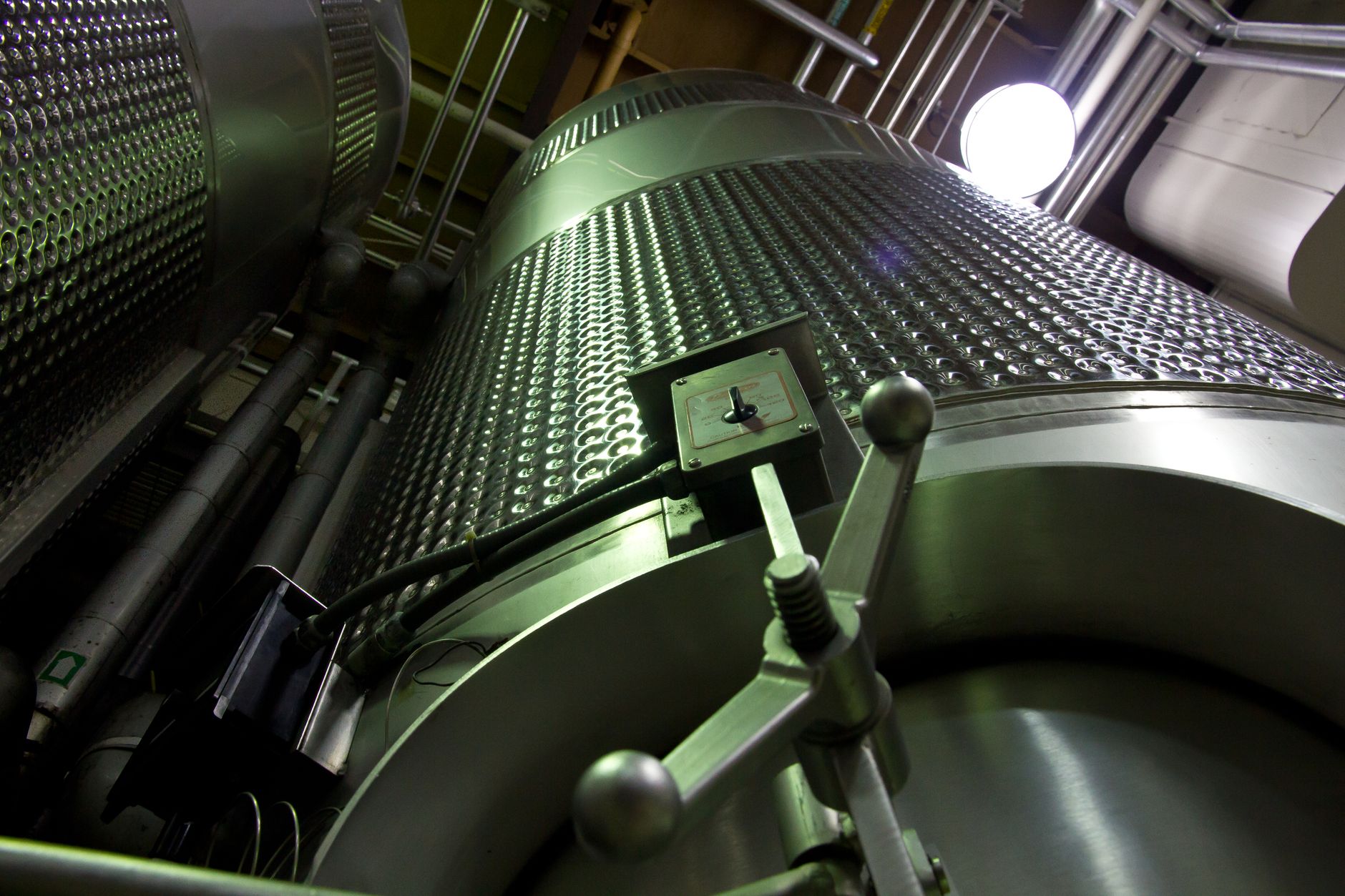
ISA-88 separates what equipment can physically do from what a
recipe tells it to do at a given moment. The physical model describes
equipment modules and units; the procedural model describes recipe
phases, operations, and unit procedures. That separation is what
lets the same recipe logic run on different physical equipment
without being rewritten.
| Recipe type | Level of detail |
|---|---|
| General recipe | Product-level, equipment-independent formula |
| Site recipe | Adapted for a specific plant’s terminology and constraints |
| Master recipe | Specific to a production line, referencing actual equipment |
| Control recipe | A single batch execution — the master recipe plus batch-specific data |
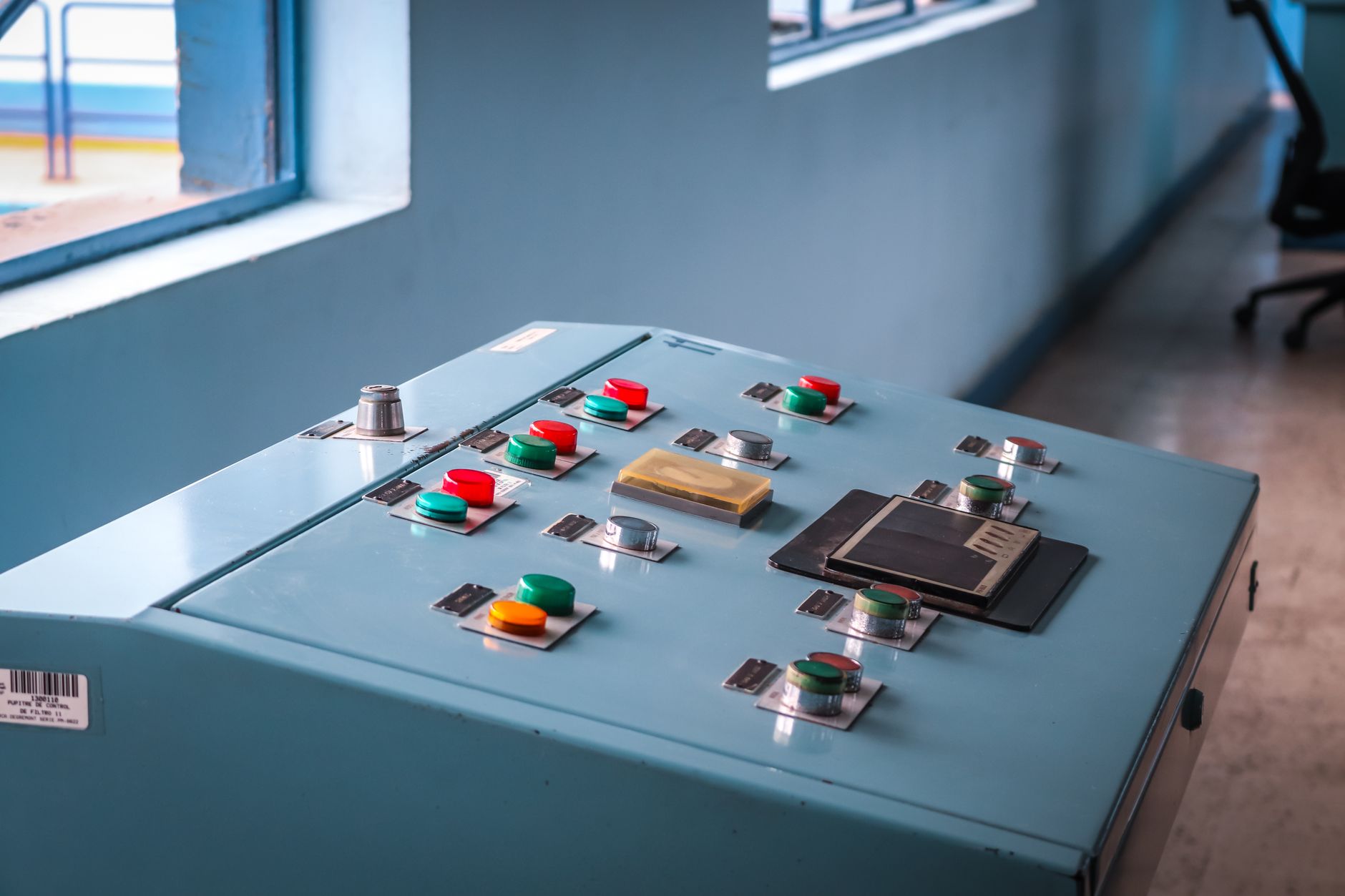
A phase — “heat to temperature,” “agitate for duration,”
“add ingredient” — is the smallest reusable unit of a recipe.
Building recipes from a library of validated phases means a new
product recipe is mostly assembly, not custom programming from
scratch, and it means a bug fix to one phase updates every recipe
that uses it.
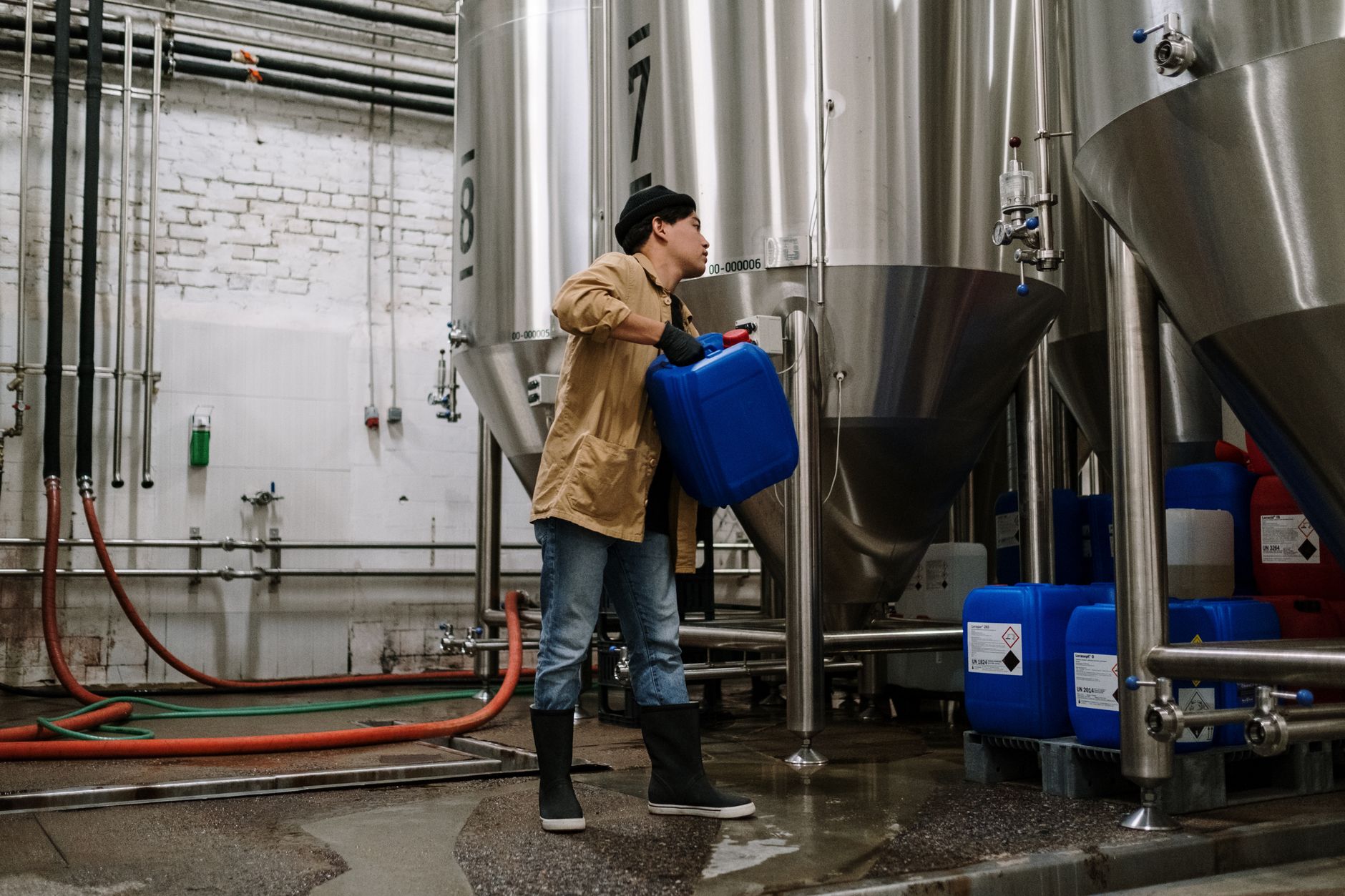
Because a control recipe captures the exact parameters used for
one specific batch — not just the target recipe — it
becomes the batch record an auditor or regulator can review later.
In pharmaceutical and food manufacturing, that record is often the
difference between a fast root-cause investigation and one that
starts from guesswork.

ISA-88 batch control fits alongside the broader automation
fundamentals covered in SCMEP’s
Automation and Robotics training catalog. As a
NIST Manufacturing Extension Partnership affiliate
serving South Carolina manufacturers since 1989, our focus is
helping batch manufacturers structure recipes that scale across
lines instead of getting rebuilt for each one.
If your facility runs batch processes and wants to standardize
recipe structure, you can
browse the Automation and Robotics
training catalog or email the training team.
A SCADA system is often what operators use to monitor and interact with an ISA-88 batch recipe as it executes. See our guide to SCADA systems in manufacturing.
The physical model describes what equipment can do — modules and units. The procedural model describes what a recipe tells it to do at a given moment — phases, operations, and unit procedures.
General recipe (product-level formula), site recipe (adapted for a specific plant), master recipe (specific to a production line), and control recipe (a single batch execution with batch-specific data).
A phase is the smallest reusable unit of a recipe. Building from a validated phase library means new recipes are mostly assembly, and a fix to one phase updates every recipe that uses it.
A control recipe captures the exact parameters used for one specific batch, becoming the batch record an auditor can review — often the difference between a fast root-cause investigation and one starting from guesswork.