SAFETY
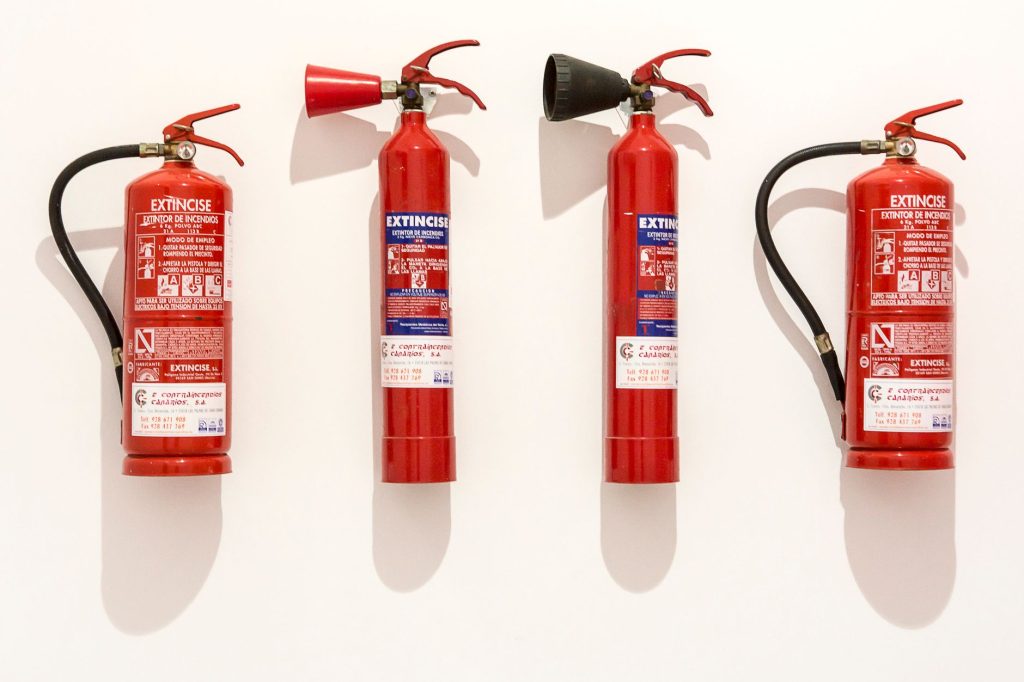
Fire Extinguisher and Fire Prevention Training: What OSHA 1910.157 Requires
What fire extinguisher class matches which hazard, and why a fight-or-evacuate policy has to be explicit, not assumed.
What fire extinguisher class matches which hazard, and why a fight-or-evacuate policy has to be explicit, not assumed.
A fire extinguisher mounted on the wall for three
years doesn’t help anyone if the person reaching for it has never
pulled a pin. OSHA 1910.157 sets requirements for portable fire
extinguishers in the workplace, and the training requirement is
where most facilities fall short, not the equipment itself.
| Class | Fire type |
|---|---|
| Class A | Ordinary combustibles — wood, paper, cardboard |
| Class B | Flammable liquids and gases |
| Class C | Energized electrical equipment |
| Class D | Combustible metals — common in machining operations |
Using the wrong class on a fire can make it worse — water or
foam on an energized electrical panel creates a shock hazard, and
standard extinguishers on burning metal dust or shavings can react
violently. Placement has to match the specific hazards in that area
of the plant.

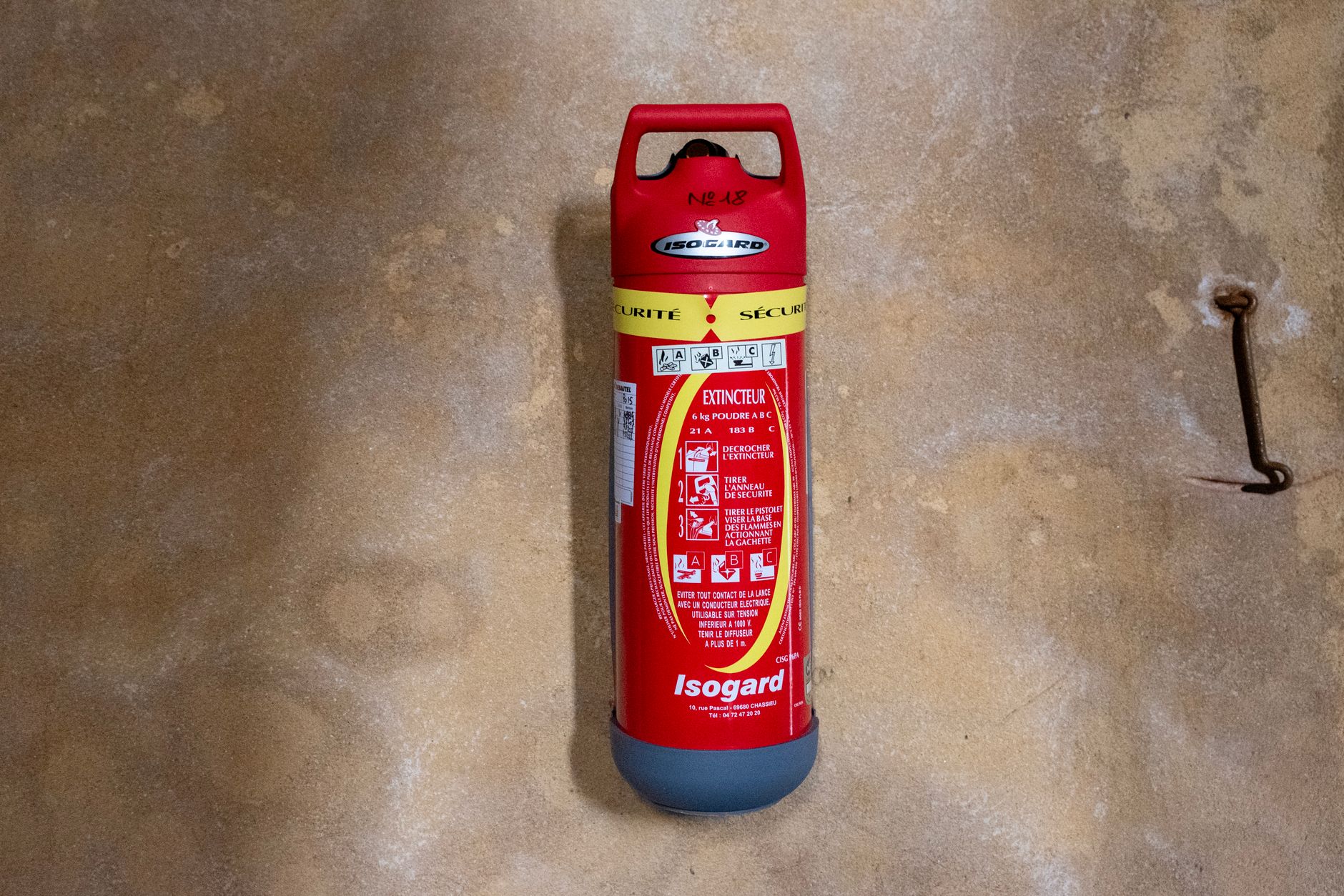
1910.157 requires a monthly visual inspection — checking
that the extinguisher is in place, accessible, and shows a charged
pressure gauge — plus an annual maintenance check, typically
performed by a certified contractor. A facility can have current
annual tags and still be out of compliance if nobody documents the
monthly checks in between.

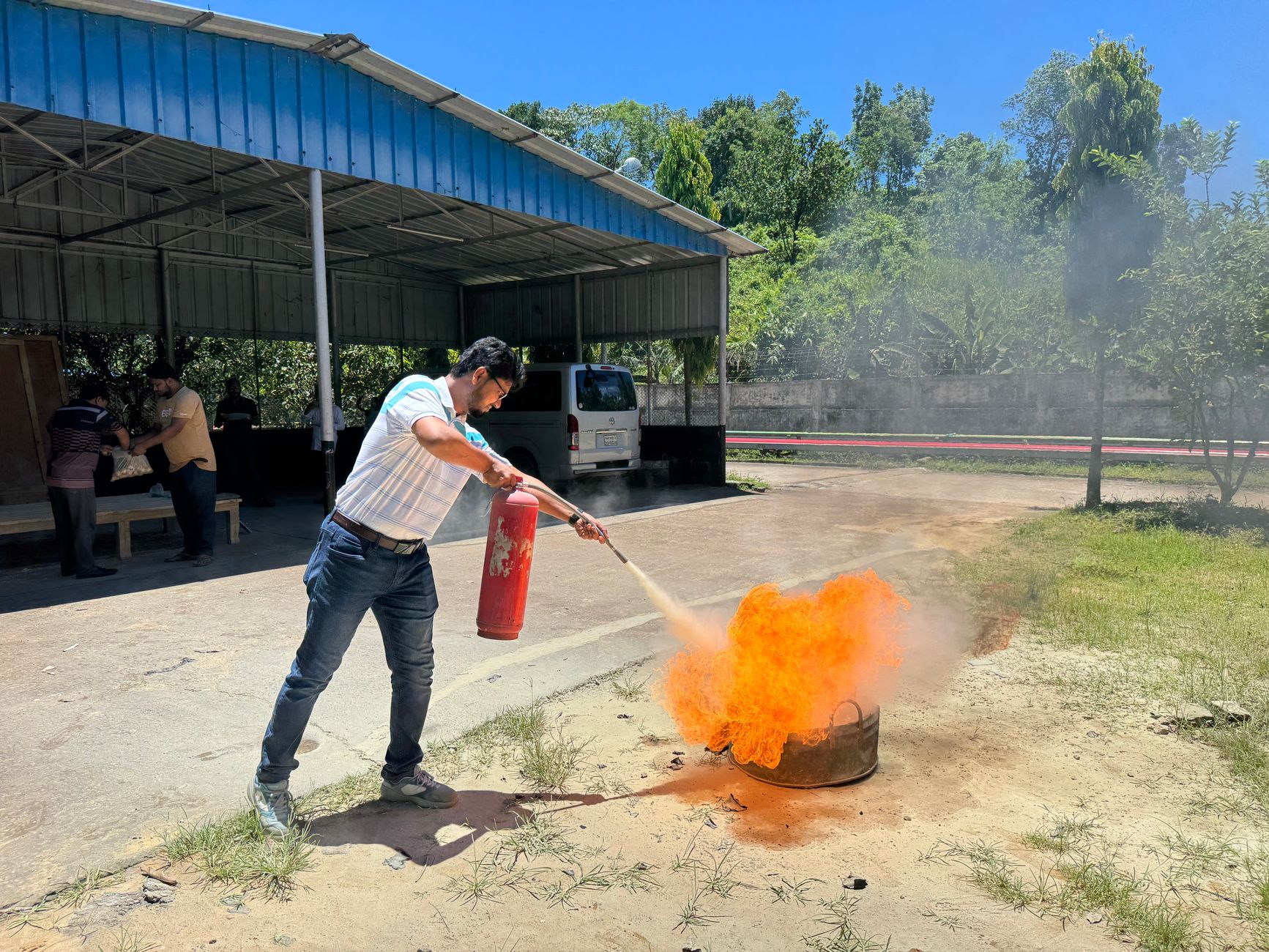
If an employer expects employees to fight incipient-stage fires,
1910.157 requires annual hands-on training. But many facilities
instead adopt a total-evacuation policy, where employees are trained
only to evacuate and call for help — which removes the
hands-on training requirement but has to be clearly communicated as
policy, not left ambiguous.
Fire extinguisher and fire prevention training fits alongside the
broader safety fundamentals covered in SCMEP’s
Safety training catalog. As a NIST
Manufacturing Extension Partnership affiliate serving South Carolina
manufacturers since 1989, our focus is making sure your policy
— fight or evacuate — is clear, documented, and trained
to consistently.
If your facility needs to establish a fire prevention plan or
train designated responders, you can
browse the Safety training catalog or email
the training
team.
A facility with combustible dust hazards needs Class D extinguishers in specific areas, not a one-size-fits-all extinguisher plan. See our guide to combustible dust hazards — the explosion pentagon and what NFPA 652 requires.
Using the wrong class can make a fire worse — water-based extinguishers on energized electrical equipment create a shock hazard, and standard extinguishers can react violently with burning combustible metal. Placement has to match the specific hazards in that area.
A monthly visual inspection confirming the extinguisher is in place, accessible, and charged, plus an annual maintenance check typically performed by a certified contractor. Both are separate documented requirements.
Only if the employer expects employees to fight incipient-stage fires, which requires annual hands-on training. A total-evacuation policy removes that requirement but must be clearly communicated.
Having current annual maintenance tags while failing to document the required monthly visual inspections in between — both are separate requirements under 1910.157.