PPE Requirements: Eye, Face, and Hand Protection Under OSHA 1910.132
Safety glasses that don't fit the job get left in a drawer by the second week. OSHA's PPE standard isn't really about handing out equipment — it's about matching the right protection to the actual hazard. Eye, face, and hand protection categories, and why the written hazard assessment matters more than the equipment list.
July 23, 2026 ·
Updated July 23, 2026 ·
3 min read ·
SCMEP Training Team ·
70 views
Share
Safety glasses that don’t fit the job get left in a
drawer by the second week. OSHA’s PPE standard isn’t really about
handing out equipment — it’s about matching the right protection to the
actual hazard, which is the step that determines whether the gear
actually gets worn.
The hierarchy PPE sits at the bottom of
29 CFR 1910.132 requires employers to assess each workplace for
hazards and select PPE accordingly — but PPE sits at the bottom of the
hazard control hierarchy, below elimination, substitution, and
engineering controls. That ordering matters: PPE is what protects a
worker from a hazard that couldn’t be designed out, not the first line
of defense.
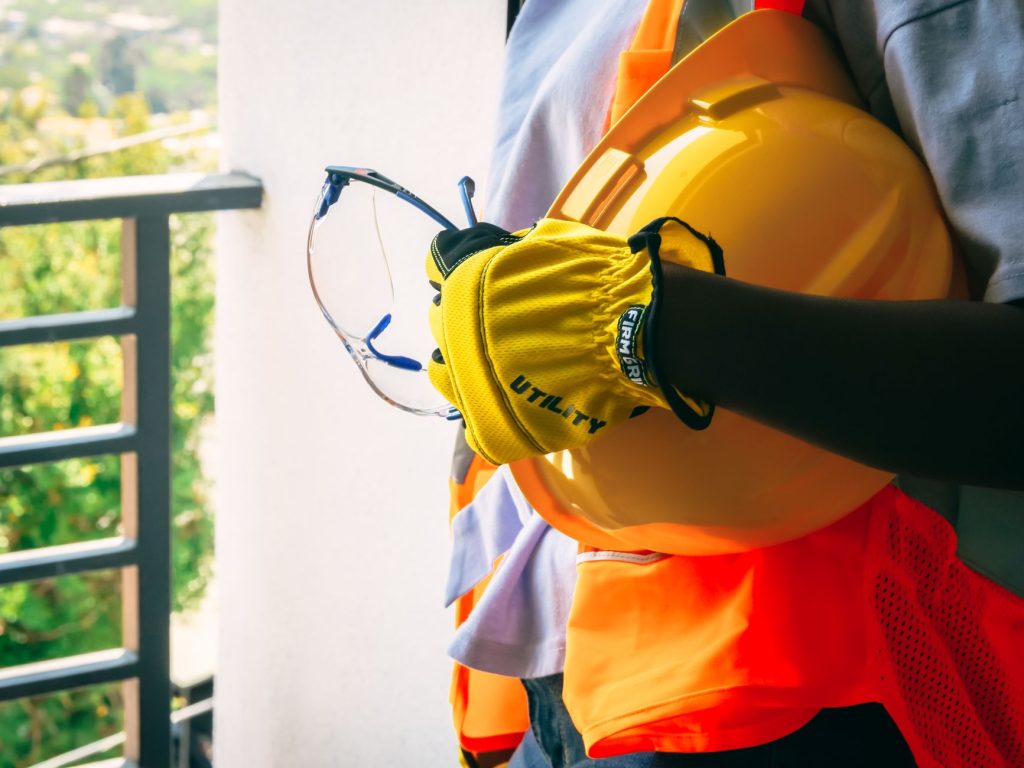
Eye and face protection
Common eye and face protection categories
Hazard
Typical protection
Flying particles, dust
Safety glasses with side shields, ANSI Z87.1 rated
Chemical splash
Chemical splash goggles, sealed to the face
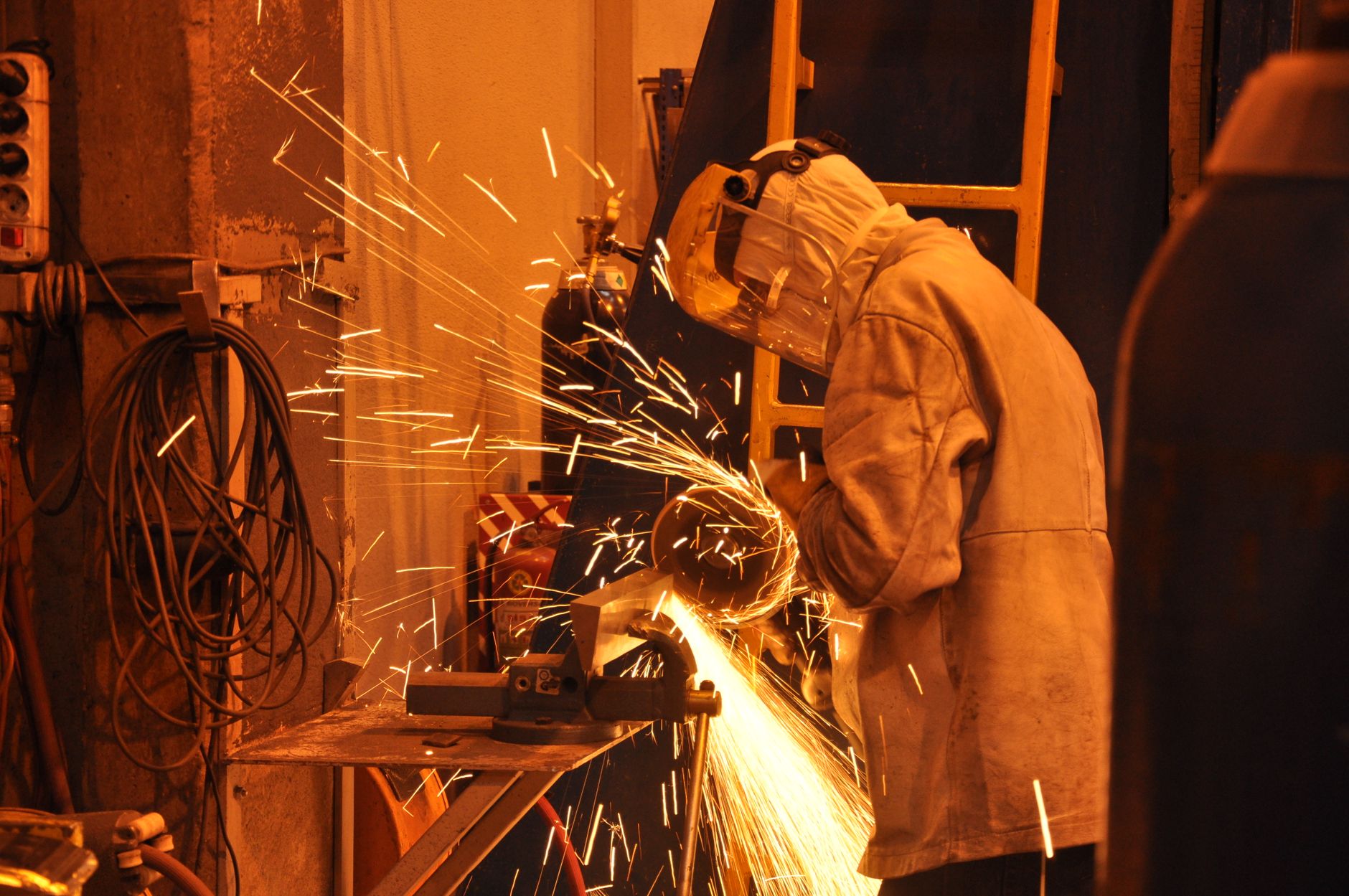
Welding arc, radiant heat
Welding helmet or face shield with appropriate shade lens
Hand protection: matching the glove to the task
A single glove type rarely covers every hazard in a facility. Cut
resistance is rated on an ANSI/ISEA A1-A9 scale, and a glove chosen for
chemical resistance often has poor cut resistance, and vice versa —
which is why a hazard assessment has to look at the actual task, not
just default to whatever glove is already stocked in the supply room.
Why hazard assessments matter more than the equipment list
OSHA requires a written hazard assessment certifying that each
workplace was actually evaluated for PPE needs — not a generic
equipment list copied from another facility. The assessment has to
identify the specific hazard at each task and document why the selected
PPE addresses it, which is the piece most commonly missing during an
inspection.
A job hazard analysis is what tells you PPE is even the right control — not the first thing to reach for. Read our guide to Job Hazard Analysis (JHA) — a practical walkthrough for manufacturing teams.
Frequently asked questions
What does OSHA’s PPE standard require?
29 CFR 1910.132 requires employers to assess each workplace for hazards and select appropriate personal protective equipment, backed by a written hazard assessment certifying the evaluation was actually performed.
Where does PPE fit in the hazard control hierarchy?
PPE sits at the bottom of the hierarchy, below elimination, substitution, and engineering controls. It protects workers from hazards that couldn’t be designed out, rather than serving as the first line of defense.
How is glove cut resistance rated?
Glove cut resistance is rated on an ANSI/ISEA A1-A9 scale. A glove selected for chemical resistance often has different cut resistance than one selected for cut protection, so gloves need to be matched to the specific task.
What’s commonly missing from a PPE hazard assessment?
The most commonly missing piece is documentation connecting each specific task hazard to why the selected PPE addresses it — a generic equipment list without that reasoning doesn’t satisfy the written assessment requirement.
South Carolina Manufacturing Extension Partnership has delivered manufacturing training to South Carolina manufacturers since 1989. Articles are produced and reviewed by SCMEP's training team.