SMED (Single-Minute Exchange of Die): Cutting Changeover Time on the Shop Floor
"Single-minute" doesn't mean 60 seconds — it means single-digit minutes, under 10. The internal-vs-external setup distinction that's the entire method, and why changeover time is often what makes small-batch flexibility economically viable.
July 22, 2026 ·
Updated July 22, 2026 ·
4 min read ·
SCMEP Training Team ·
87 views
Share
“Single-minute” doesn’t mean 60 seconds — it means single-digit
minutes, under 10. That distinction trips up almost everyone hearing
about SMED for the first time, and it matters, because chasing a
literal one-minute changeover on the wrong process wastes effort a
realistic single-digit target wouldn’t.
Where SMED came from
Single-Minute Exchange of Die (SMED) was formalized by Shigeo Shingo
in the late 1970s, building directly on die-change methods Toyota had
been refining since the 1950s and 60s. The original problem was
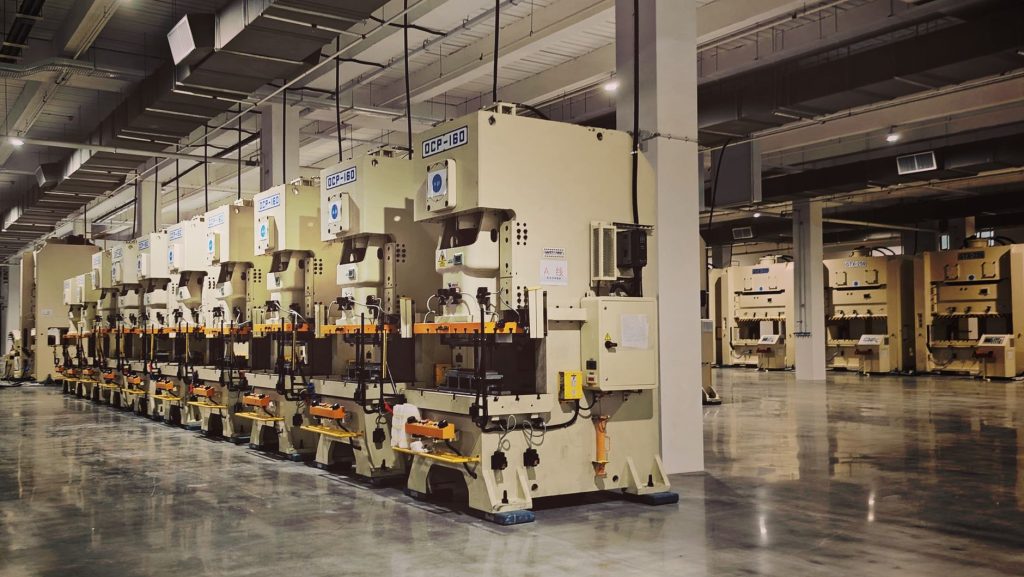
brutally concrete: large stamping presses that took hours to change
dies between part numbers, sitting idle the entire time generating zero
output. Shingo’s core insight wasn’t a specific tool — it was a way of
categorizing setup work that made the time visible and attackable.
Internal vs. external setup: the whole method in one distinction
The core SMED distinction
Internal setup
External setup
Definition
Steps that require the machine to be stopped
Steps that can be done while the machine is still running
Example
Removing the old die, mounting the new one
Staging tools, pre-heating the next die, gathering fasteners
SMED goal
Minimize what’s left here
Convert as much internal work into this category as possible
The method is deceptively simple to state: separate internal work
from external work, convert as much internal work to external as
physically possible, then streamline whatever internal work is left.
Most of the real gain in a typical SMED project comes from that
conversion step, not from making the internal work itself faster — a
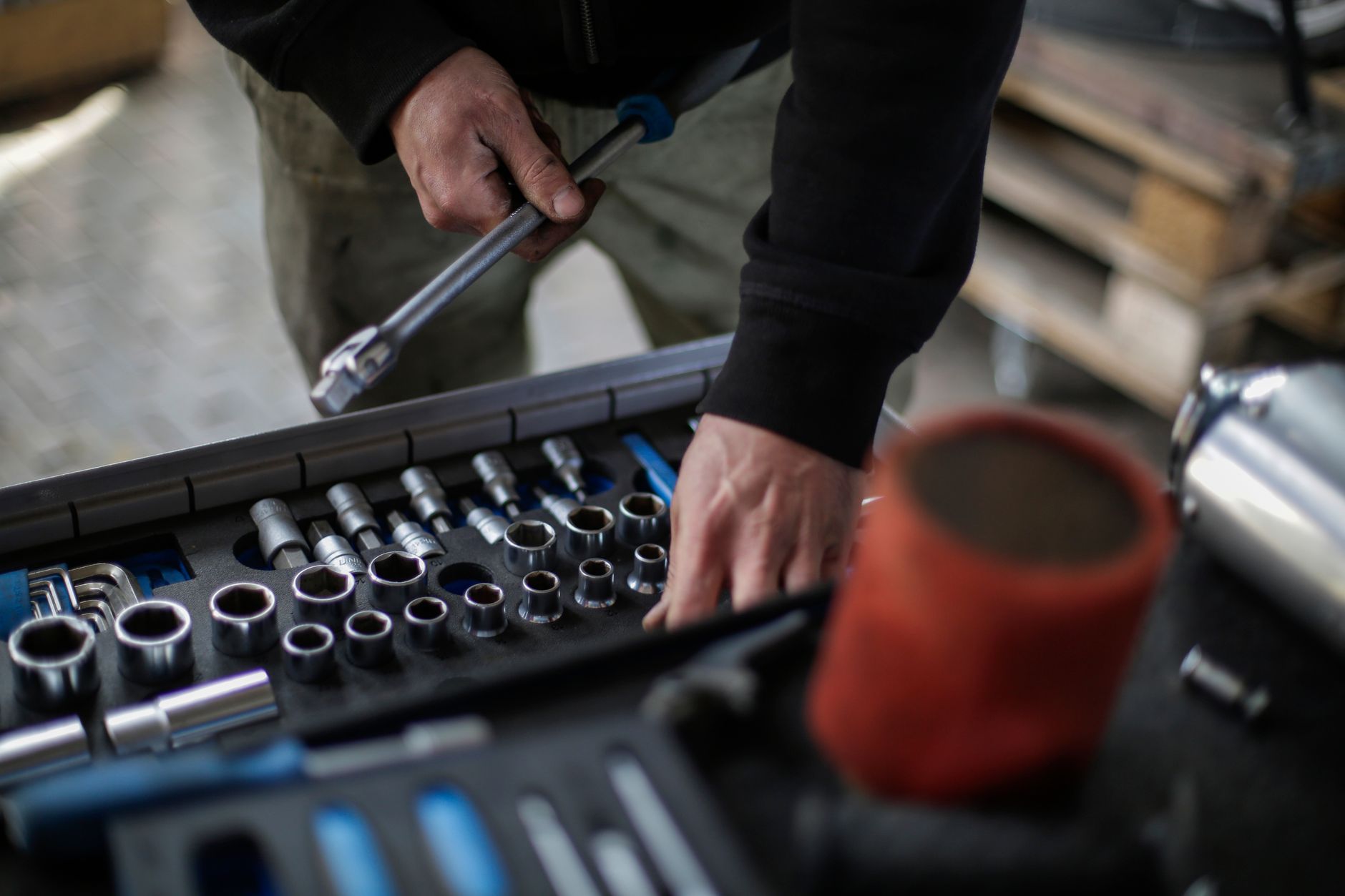
changeover where someone is hunting for a wrench while the machine sits
idle is a conversion problem, not a speed problem.
OTED: pushing past SMED
A more aggressive extension of the same idea, One-Touch Exchange of
Die (OTED), targets changeovers completed in under 100 seconds —
usually through mechanical design changes like standardized die heights,
quick-clamp fixtures, and locating pins that eliminate adjustment
entirely rather than just speeding it up. OTED is a design investment,
not just a procedural one, which is why most plants pursue SMED first
and treat OTED as a longer-term target for their highest-changeover-volume
equipment.
Why changeover time matters more than it looks like it should
Long changeovers push plants toward large batch sizes, since the
changeover cost has to be amortized over more parts to stay economical
— which is exactly the opposite of the small-batch, high-mix flexibility
most manufacturers actually need to compete today. Cutting changeover
time isn’t just an efficiency win on its own; it’s often the thing that
makes smaller batch sizes and faster response to demand changes
economically viable in the first place.
Faster changeovers and pull-based replenishment are complementary lean tools. See our related guide on kanban pull systems for how two-bin replenishment keeps production tied to actual consumption.
Fast changeovers are what make mixed small-batch production possible in the first place. See our related guide on heijunka production leveling for how volume and mix leveling depend on the changeover speed SMED delivers.
Frequently asked questions
What does SMED stand for?
Single-Minute Exchange of Die — a lean manufacturing method for reducing equipment changeover time, formalized by Shigeo Shingo in the late 1970s based on Toyota’s die-change practices.
Does “single-minute” mean a 60-second changeover?
No — it means single-digit minutes, under 10 minutes total, not literally 60 seconds. A more aggressive extension called OTED (One-Touch Exchange of Die) targets sub-100-second changeovers.
What’s the difference between internal and external setup?
Internal setup requires the machine to be stopped, like removing an old die. External setup can be done while the machine is still running, like staging tools or pre-heating the next die. SMED’s core method is converting as much internal work into external work as possible.
Why does changeover time matter for batch size?
Long changeovers push plants toward large batch sizes to amortize the changeover cost over more parts. Reducing changeover time makes smaller batch sizes and faster response to demand changes economically viable.
South Carolina Manufacturing Extension Partnership has delivered manufacturing training to South Carolina manufacturers since 1989. Articles are produced and reviewed by SCMEP's training team.