Manufacturing Robotics Training: Cobots vs. Industrial Robots, and Where to Start
You don't need an engineering degree to start in robotics. Cobots vs. traditional industrial robots compared, which training path fits operator vs. technician vs. engineer roles, and why to hold off on a vendor certificate.
July 22, 2026 ·
Updated August 28, 2026 ·
7 min read ·
SCMEP Training Team ·
120 views
Share
You don’t need an engineering degree to start a career working with
industrial robots. Most operator and technician roles are built around
certificate-length training plus on-the-job experience — the harder
question is usually which robot to start with, not whether you’re
qualified to start at all.
This guide covers the real difference between a cobot and a traditional
industrial robot, what training path fits which role, and how to avoid
paying $1,000–$2,500 for a vendor-specific certificate before you know
you need it.
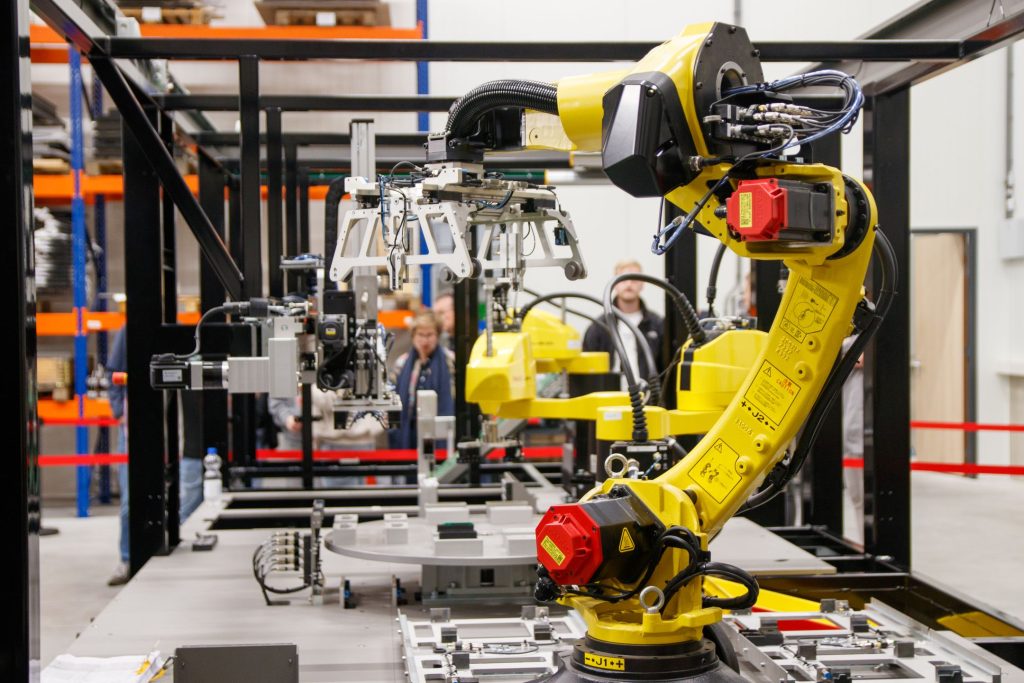
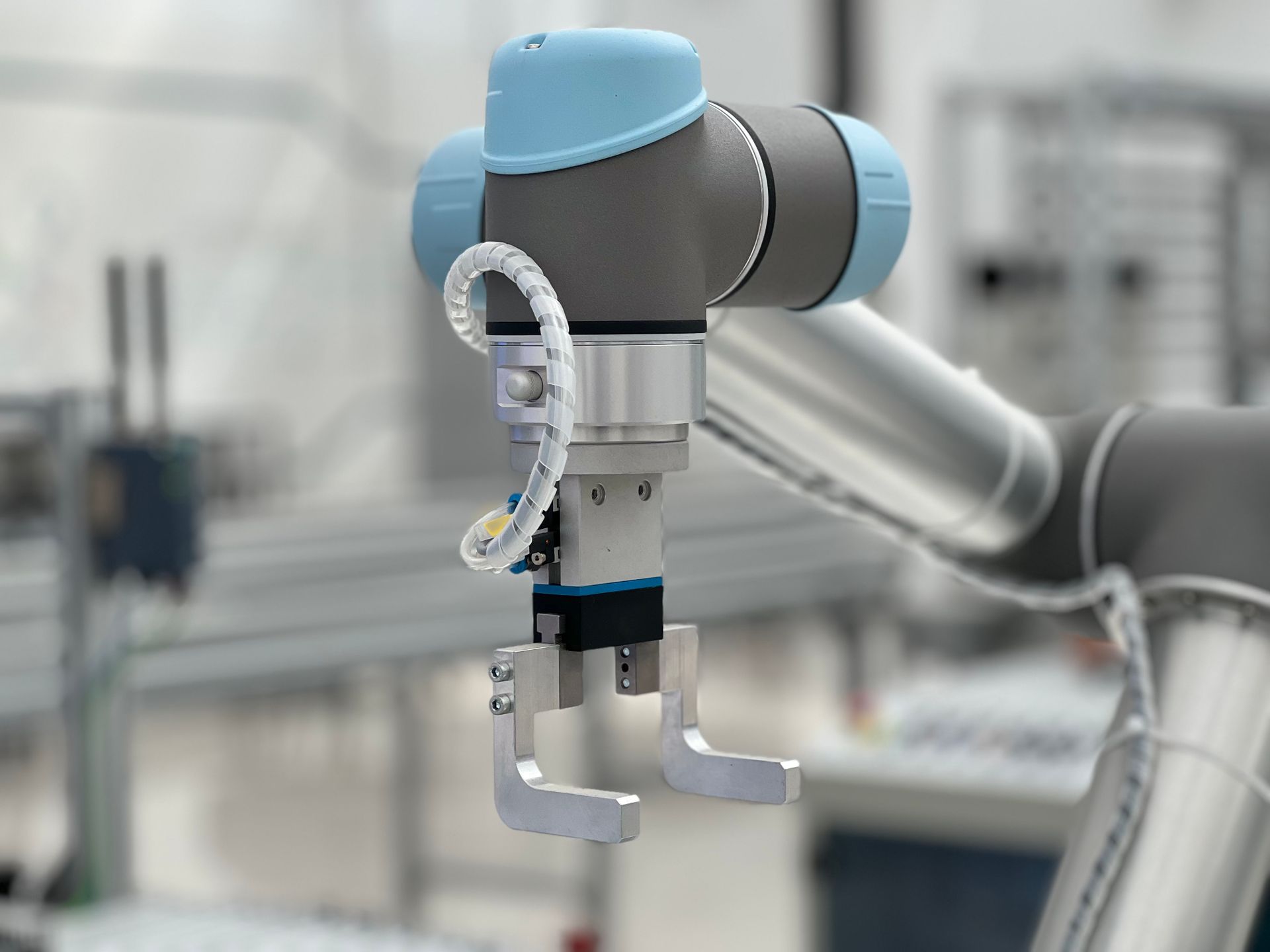
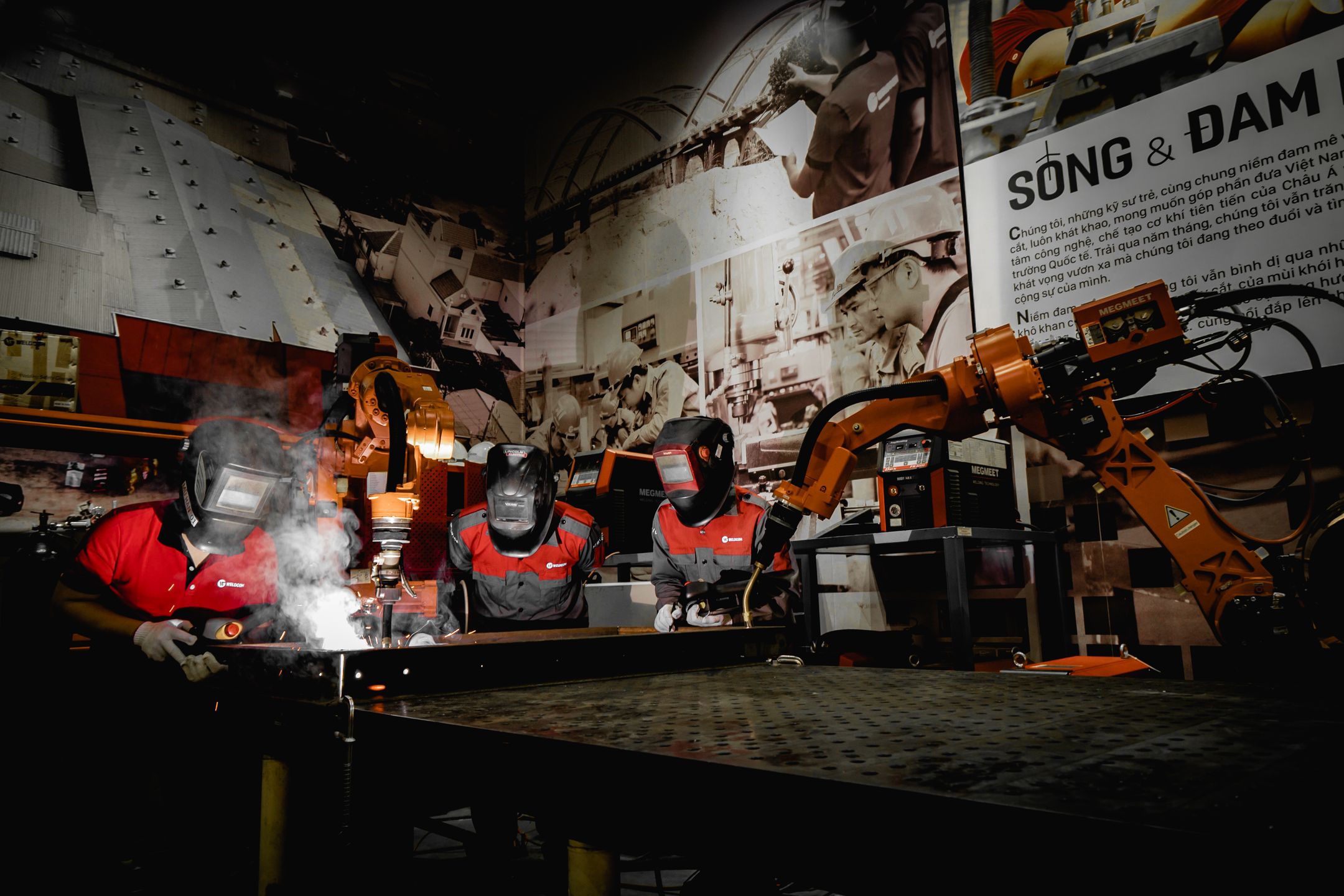
Cobot vs. traditional industrial robot
Collaborative robots vs. traditional industrial robots, and where to start training
Cobot
Traditional industrial robot
Safety setup
Can often run without fencing or light curtains, built to sense contact
Typically requires guarding, fencing, or light curtains to keep people out of the work envelope
Programming
Hand-guiding and simplified interfaces — an operator can often reprogram a path directly
Teach pendant or offline programming, usually a dedicated skill set
Typical use case
Light assembly, pick-and-place, machine tending on lower-volume lines
High-speed, heavy-payload work — welding, large-part handling, high-volume production
Cobots are also the more common on-ramp into robotics generally — the
lower barrier to entry (no fencing, simpler programming) means plants often
install their first robot as a cobot before ever running a traditional
industrial unit. If you’re new to robotics entirely, starting with cobots
and working up to traditional industrial robots is a reasonable default
path, not just a beginner’s compromise.
Which role are you training for?
Robotics roles roughly split into three tiers, and the training path
differs by tier. A robot operator runs and monitors an
already-programmed cell — a few days to two weeks of hands-on training is
usually enough to get started, and a four-year degree isn’t a requirement.
A robot technician maintains, troubleshoots, and
reprograms cells — this is where a certificate program or a longer
hands-on course pays off. A robotics engineer or integrator
designs and builds new robotic systems from scratch — this is the tier
where a formal engineering or mechatronics degree actually matters.
Most people entering the field start as an operator or technician, not
an engineer. If you’re not sure which tier fits, technician-level training
is the safer default — it’s useful even if you later move toward
engineering, and it doesn’t require committing to a four-year program
first.
The day-to-day difference between the tiers is bigger than the titles
suggest. An operator’s day centers on the cell running correctly — loading
parts, clearing routine faults, confirming quality on the output. A
technician’s day includes that plus diagnosing why a cell went down,
adjusting a program when a part or process changes, and doing preventive
maintenance on the robot itself. An integrator’s work often happens before
the robot ever runs production — designing the cell layout, writing the
initial program, and getting the safety systems certified. Knowing which
of those three days sounds like the work you actually want is a better
filter than trying to pick a job title off a posting.
What the progression actually looks like
In practice, the path from “new to robotics” to “running the floor’s
automation” tends to follow the same shape most plants use for any skilled
role: start supervised on the simplest cell, build reps, then take on more
independence. Concretely, that usually means starting as an operator on an
already-programmed cobot cell — loading parts, monitoring cycles, handling
routine stops — before touching a teach pendant on your own. From there,
shadowing a technician during changeovers and minor reprogramming builds
the skills that turn “operator” into “technician” on paper.
Moving from cobots to traditional industrial robots later isn’t
starting over — safety awareness, basic programming logic, and how a cell
fits into the rest of the line all carry over. What’s new is the higher
stakes of the guarding and the different programming interface, which is
exactly the gap a course like Robotics for Manufacturing is built to
close once you’ve got the cobot fundamentals down.
Before you pay for a vendor certificate
Vendor-specific certifications (FANUC, ABB, and similar) run
$1,200–$2,500 plus travel, and they lock you into that vendor’s
proprietary programming syntax. That’s a reasonable investment once you
know a specific plant runs that brand of robot and you need vendor-specific
skills — it’s a poor first investment if you’re still figuring out whether
robotics work is a fit for you, or which brand your target employers
actually use.
A vendor-neutral foundation first — the basic concepts of safety,
programming logic, and how cells are integrated, independent of any one
manufacturer’s syntax — gives you something that transfers regardless of
which brand a future employer runs. Save the vendor-specific certificate
for after you have a specific machine or job in front of you.
Many robotic end-effectors and simple pick-and-place setups run on
compressed air rather than electric actuation — see our related article
on pneumatic systems and
components for how those grippers and cylinders actually work and
what tends to fail on them.
Robots on wheels raise a different question than robots bolted to a
cell: fixed path or dynamic navigation? See our related guide on AMR vs. AGV for what actually
separates the two.
Removing a robot’s safety cage doesn’t automatically make it a
compliant collaborative installation. See our related guide on cobot safety
standards for what ISO 10218 and ISO/TS 15066 actually require.
Frequently asked questions
Do I need a degree to work with industrial robots?
Not for entry-level operator or technician roles — certificate-length training plus on-the-job experience is a standard path. A four-year engineering or mechatronics degree matters more for robotics engineer or integrator roles, which design and build systems from scratch rather than run or maintain them.
What’s the difference between a cobot and a traditional industrial robot?
A cobot (collaborative robot) is designed to work safely alongside people, often without the fencing or light curtains a traditional industrial robot needs, and is typically easier to program through hand-guiding. Traditional industrial robots handle higher-speed, heavier-payload work and usually require dedicated guarding and a teach-pendant programming skill set.
Should I start with cobots or traditional industrial robots?
If you’re new to robotics, starting with cobots is a reasonable default — the lower barrier to entry (simpler programming, less guarding) makes them a common first robot for both plants and individuals, and the fundamentals carry over when you move to traditional industrial robots later.
Is a vendor certification like FANUC or ABB worth it?
It’s worth it once you know a specific plant runs that brand and you need vendor-specific programming skills. It’s a poor first investment if you’re still exploring whether robotics work fits you — a vendor-neutral foundation first gives you skills that transfer regardless of which brand an employer runs.
How long does robotics training take?
It depends on the role. Operator-level training can be a few days to two weeks. A technician-level certificate program typically runs longer and covers troubleshooting and reprogramming. Engineer/integrator roles generally require a multi-year degree program.
South Carolina Manufacturing Extension Partnership has delivered manufacturing training to South Carolina manufacturers since 1989. Articles are produced and reviewed by SCMEP's training team.