What Counts as “High Voltage” in a Manufacturing Plant?
"High voltage" means something different in an electrical utility than it does in a typical manufacturing facility, where 480V already carries serious arc flash risk. NFPA 70E basics, arc flash mechanics, and the hierarchy of controls.
July 22, 2026 ·
5 min read ·
SCMEP Training Team ·
8 views
Share
Most manufacturing equipment runs on 480V three-phase power, and workers
routinely call that “high voltage” — but by the industrial electrical
safety standards that actually govern it, the meaningful threshold is
usually drawn at 600 volts. Getting that distinction straight matters
more than it sounds like it should, because it determines which safety
rules actually apply.
“High voltage” means different things in different contexts
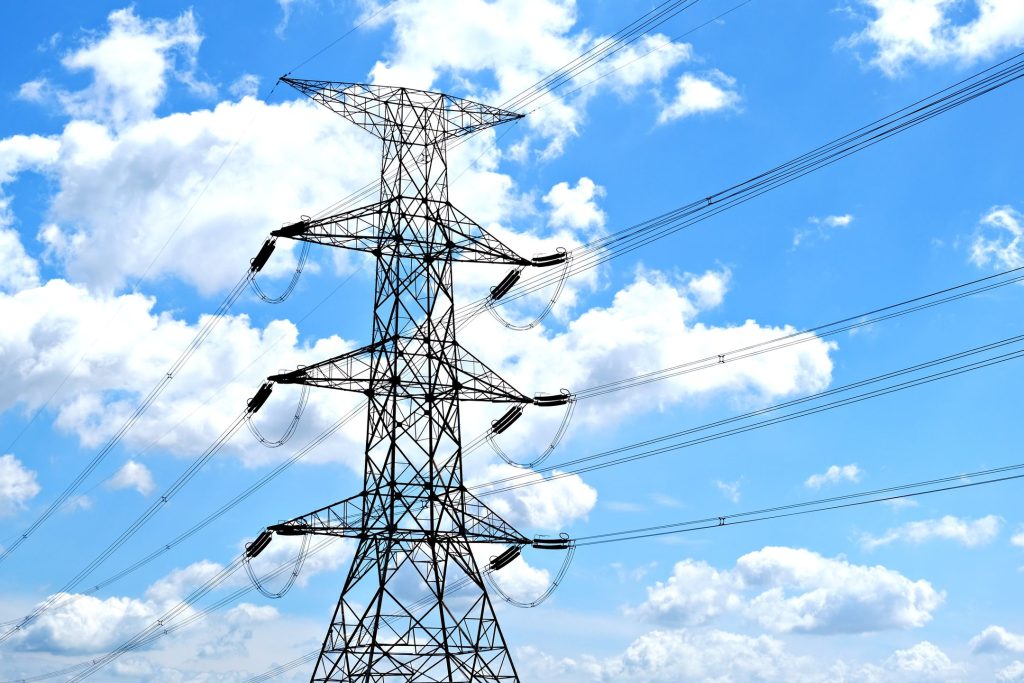
Utility and power engineering generally treats high voltage as
starting around 35 kV, with extra-high voltage well above that. Industrial
and workplace safety standards use a different, lower threshold — OSHA’s
general industry electrical standards repeatedly use 600 volts as the
line for stricter requirements. That means the 480V equipment running
most of a manufacturing floor sits below the formal “high voltage”
threshold in OSHA’s own terms, even though it’s genuinely dangerous and
colloquially called high voltage on the floor. Check the specific
standard’s actual voltage threshold rather than assuming “high voltage”
means the same number everywhere.
What arc flash actually is
An arc flash happens when a fault creates a low-impedance path through
air, producing an electrical arc reaching temperatures cited around
35,000°F — roughly four times the surface temperature of the sun. That
arc causes an explosive pressure wave, molten metal spray, and intense
thermal radiation, all in a fraction of a second. It’s a fundamentally
different hazard from electric shock: shock happens when current passes
through a body, while arc flash is a thermal and pressure event that can
injure someone who never actually touches a live conductor.
The practical takeaway for a plant floor: don’t let the word “high”
create a false sense of security around 480V equipment. The vast
majority of serious electrical injuries in manufacturing happen on
systems well below any utility definition of high voltage — the danger
comes from working on live equipment, not from a specific voltage
threshold being crossed.
NFPA 70E and the hierarchy of controls
NFPA 70E is the governing standard for electrical safety in the
workplace, requiring a hazard and risk assessment before any work on or
near energized equipment. It defines an arc flash boundary — the
distance at which incident energy reaches a threshold requiring
protection — plus separate shock protection boundaries, and a PPE
category system tying required protective clothing to the arc energy
involved. Exact category cutoffs and boundary distances are defined in
the current edition of the standard and are worth pulling directly from
it rather than from memory, since specific figures are periodically
revised.
The actual hierarchy of controls starts before any of that: de-energize
and verify a zero-energy state first, using the same lockout/tagout procedure
covered in our LOTO guide. PPE and energized-work permits are what you
fall back on only when de-energizing genuinely isn’t feasible for the
task — not the default first move.
That ordering matters because PPE is the last line of defense, not
the plan. Arc-rated clothing and a face shield reduce injury severity if
an arc flash happens — they don’t prevent one. A plant culture that
reaches for PPE first and de-energization second has the hierarchy
backwards, even if everyone involved is technically wearing the right
gear.
Why “it’s only 480V” is a dangerous assumption
480V three-phase power is more than capable of causing fatal shock
and severe arc flash injuries — the fact that it sits below a utility
engineer’s definition of “high voltage” has no bearing on how dangerous
it actually is to a person working near it live. Treating equipment as
low-risk because it doesn’t meet a technical high-voltage threshold is
exactly the kind of reasoning that leads to skipping a hazard assessment
that should have happened regardless of the specific voltage number.
By utility/power engineering standards, no — high voltage typically starts around 35 kV. By common industrial safety usage, 480V is often called high voltage on the floor, though OSHA’s own general industry electrical standards typically draw the stricter-requirement line at 600 volts. The exact threshold depends on which standard you’re checking.
What causes arc flash?
An electrical fault creates a low-impedance path through air, producing an arc that can reach roughly 35,000°F, causing an explosive pressure wave, molten metal spray, and intense thermal radiation — distinct from electric shock, which involves current passing through a body.
What is NFPA 70E?
NFPA 70E is the governing standard for electrical safety in the workplace, requiring a hazard and risk assessment before energized work, defining arc flash and shock protection boundaries, and specifying a PPE category system tied to arc energy levels.
What’s the first step in controlling electrical hazards?
De-energizing the equipment and verifying a zero-energy state, following lockout/tagout procedure. PPE and energized work permits are a fallback for situations where de-energizing genuinely isn’t feasible, not the default first response.
South Carolina Manufacturing Extension Partnership has delivered manufacturing training to South Carolina manufacturers since 1989. Articles are produced and reviewed by SCMEP's training team.