A special hand tool doesn't count as machine guarding — it can only supplement it. OSHA 1910.212's acceptable guarding methods, and why a poorly designed guard can be worse than no guard at all.
July 22, 2026 ·
Updated July 22, 2026 ·
4 min read ·
SCMEP Training Team ·
12 views
Share
A special hand tool doesn’t count as machine guarding — it can
only supplement it. That distinction, buried in the middle of OSHA
1910.212, catches out more shops than almost any other misunderstanding
about point-of-operation safety.
What 1910.212 actually requires
OSHA’s general machine guarding standard, 29 CFR 1910.212, requires
“one or more methods of machine guarding” to protect operators from
hazards including the point of operation, rotating parts, and flying
chips or sparks. The core principle is simple to state: a guard must
prevent any part of the operator’s body from entering the danger zone
during the operating cycle. How that’s achieved is where the standard
gets specific.
Acceptable guarding methods
Guarding methods recognized under 1910.212
Method
How it works
Barrier guards
Physical enclosures that block access to the danger zone entirely
Two-hand tripping devices
Requires both of the operator’s hands on separate controls to cycle the machine, keeping them out of the danger zone
Electronic safety devices
Light curtains or presence-sensing devices that stop the machine if a body part enters the zone
Machines built for a fixed location must also be securely anchored
to prevent walking or moving during operation — a detail that gets
missed on equipment installed without dedicated anchoring hardware.
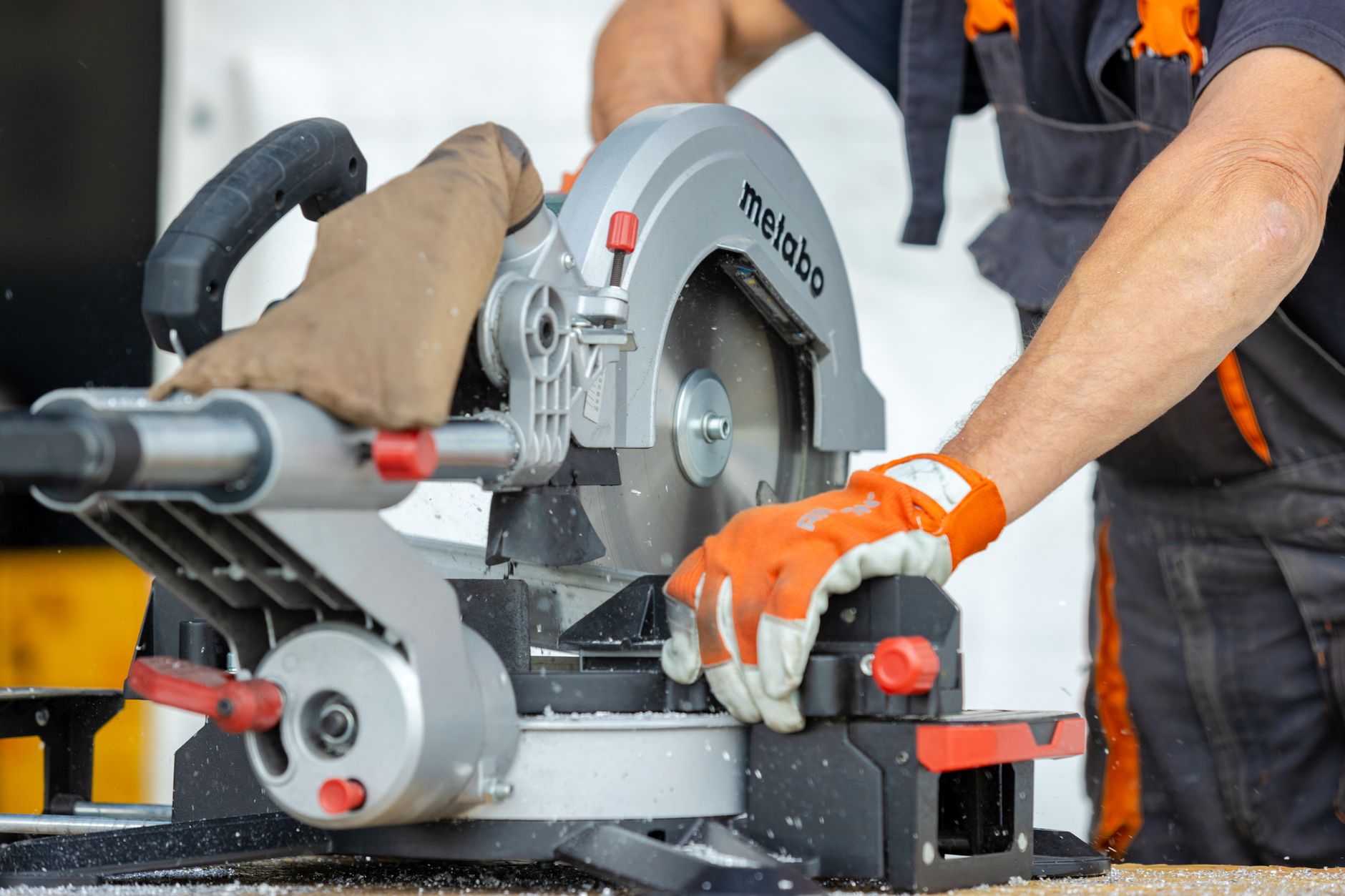
Specific categories like power presses, milling machines, power saws,
and jointers typically require point-of-operation guarding by name.
Why “special hand tools” aren’t a real substitute
OSHA explicitly allows special hand tools to supplement point-of-operation
protection — feeding a small part into a press with a tool instead of
fingers, for example — but the standard is clear that these tools
cannot replace other required safeguards. A shop relying on “we use a
push stick” as its entire guarding strategy for a given machine hasn’t
actually met the standard; the tool has to work alongside a barrier
guard, interlock, or presence-sensing device, not instead of one.
Guards that create their own hazards
The standard also requires that a guard itself must not create a new
hazard — a poorly designed guard that creates a pinch point, obstructs
visibility needed for safe operation, or gets routinely propped open
because it slows down production is arguably worse than no guard at
all, since it creates a false sense of compliance. Guards that operators
actually defeat or bypass because they interfere with real work are one
of the most common findings in machine-guarding citations.
Presence-sensing devices are one of the acceptable guarding methods under 1910.212. See our related guide on safety light curtains and presence-sensing devices for how they compare to physical barrier guards.
Machine guarding protects against mechanical hazards; combustible dust is a different hazard class entirely, but one that shows up in many of the same facilities. See our related guide on combustible dust hazards for the explosion pentagon and NFPA 652’s Dust Hazard Analysis requirement.
Frequently asked questions
What does OSHA 1910.212 require?
1910.212 is OSHA’s general machine guarding standard, requiring one or more guarding methods to prevent any part of an operator’s body from entering the danger zone during a machine’s operating cycle, covering hazards like point of operation, rotating parts, and flying debris.
What are acceptable machine guarding methods?
Barrier guards, two-hand tripping devices, and electronic safety devices like light curtains or presence-sensing systems. Specific machine types such as power presses, milling machines, and power saws typically require point-of-operation guarding by name.
Can a special hand tool replace a machine guard?
No. OSHA allows special hand tools to supplement point-of-operation protection, but they cannot replace other required safeguards like barrier guards or interlocks.
Can a machine guard itself be a safety hazard?
Yes. A poorly designed guard that creates a pinch point, blocks needed visibility, or gets propped open because it slows production doesn’t meet the intent of the standard and is a common finding in machine-guarding citations.
South Carolina Manufacturing Extension Partnership has delivered manufacturing training to South Carolina manufacturers since 1989. Articles are produced and reviewed by SCMEP's training team.