Machine Vision Inspection: Automating Quality Control on the Production Line
A human inspector gets tired and inconsistent across an 8-hour shift. A machine vision system checks the 10,000th part exactly the same way it checked the first. Rule-based vs. deep-learning vision, and why a vision system fails silently.
July 22, 2026 ·
Updated July 22, 2026 ·
4 min read ·
SCMEP Training Team ·
5 views
Share
A human inspector gets tired, distracted, and inconsistent across an
8-hour shift. A machine vision system checks the 10,000th part exactly
the same way it checked the first one — which is both the whole
argument for automating inspection and the reason a poorly set up
system fails silently instead of obviously.
What a machine vision system actually is
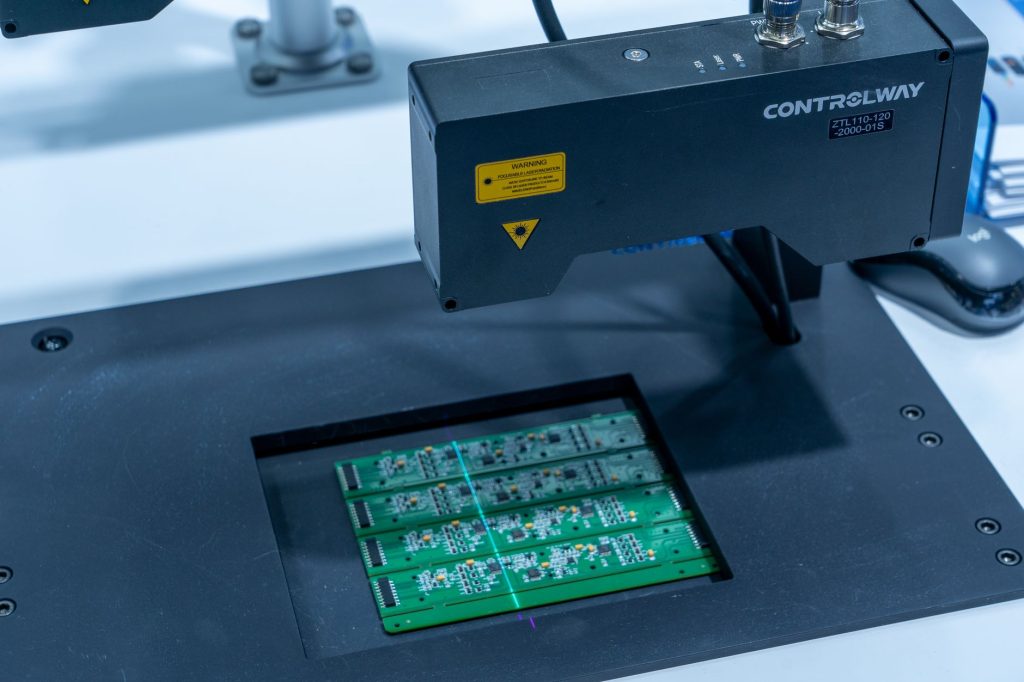
A machine vision system combines lighting, one or more cameras, and
image-processing software to automatically inspect parts, check
dimensions, read barcodes or text, or guide a robot’s positioning. The
lighting is often the most underestimated component — inconsistent or
poorly angled lighting can make a perfectly good part look defective,
or worse, let a real defect slip through undetected, regardless of how
good the camera or software is.
What it’s actually used for
Common machine vision applications
Application
What it does
Defect detection
Flags surface flaws, missing features, or contamination against a reference
Dimensional gauging
Measures part features optically without physical contact
Barcode/OCR reading
Reads labels, codes, or printed text for traceability
Robot guidance
Locates parts in a bin or on a conveyor so a robot can pick them accurately
Rule-based vs. deep-learning vision
Traditional machine vision uses rule-based methods — comparing a
part against fixed geometric or color thresholds, a method that works
well for consistent, well-defined defects but struggles with
variation. Deep-learning-based vision inspection, which expanded
significantly starting around 2019, instead learns what “good” and
“defective” look like from a large set of labeled example images,
making it better suited to inconsistent or hard-to-define defects —
but it also requires a substantial, well-curated training image set to
work reliably, which is a real upfront cost most rule-based systems
don’t carry.
Why a vision system fails silently
A human inspector missing a defect usually shows some sign of
fatigue or distraction that a supervisor can notice. A vision system
drifting out of proper calibration — a camera lens accumulating dust,
lighting degrading, or a part fixture shifting slightly — can keep
running and keep passing parts with no obvious signal that anything’s
wrong, until a downstream customer complaint reveals the gap. Scheduled
calibration checks and periodic re-validation against known-good and
known-bad reference parts are what actually catch this kind of silent
drift.
A machine vision system combines lighting, cameras, and image-processing software to automatically inspect parts, check dimensions, read barcodes or text, or guide robot positioning on a production line.
What’s the difference between rule-based and deep-learning vision inspection?
Rule-based vision compares parts against fixed geometric or color thresholds, working well for consistent, well-defined defects. Deep-learning vision learns from labeled example images, handling inconsistent defects better but requiring a substantial training image set.
Why is lighting so important in machine vision?
Inconsistent or poorly angled lighting can make a good part appear defective or let a real defect go undetected, regardless of camera or software quality — it’s one of the most underestimated components of a vision system.
How does a vision system fail without anyone noticing?
Calibration drift from a dusty lens, degrading lighting, or a shifted part fixture can cause a vision system to keep passing parts incorrectly with no obvious warning sign, which is why scheduled calibration checks against known-good and known-bad reference parts matter.
South Carolina Manufacturing Extension Partnership has delivered manufacturing training to South Carolina manufacturers since 1989. Articles are produced and reviewed by SCMEP's training team.