What Does E&I Mean in Manufacturing? Electrical & Instrumentation Explained
E&I stands for Electrical & Instrumentation — a distinct role from a general electrician, focused on the sensors, gauges, and control loops that keep a process running. What the job actually covers, entry paths, and wage data.
July 22, 2026 ·
5 min read ·
SCMEP Training Team ·
112 views
Share
“E&I” means different things in different contexts — it can be
Equity & Inclusion in an HR posting or Errors & Omissions in an
insurance policy. In manufacturing and process industries, it almost
always means Electrical & Instrumentation, and the role built around
it is one of the more overlooked, well-paying skilled trades in the
industry.
What an E&I technician actually does
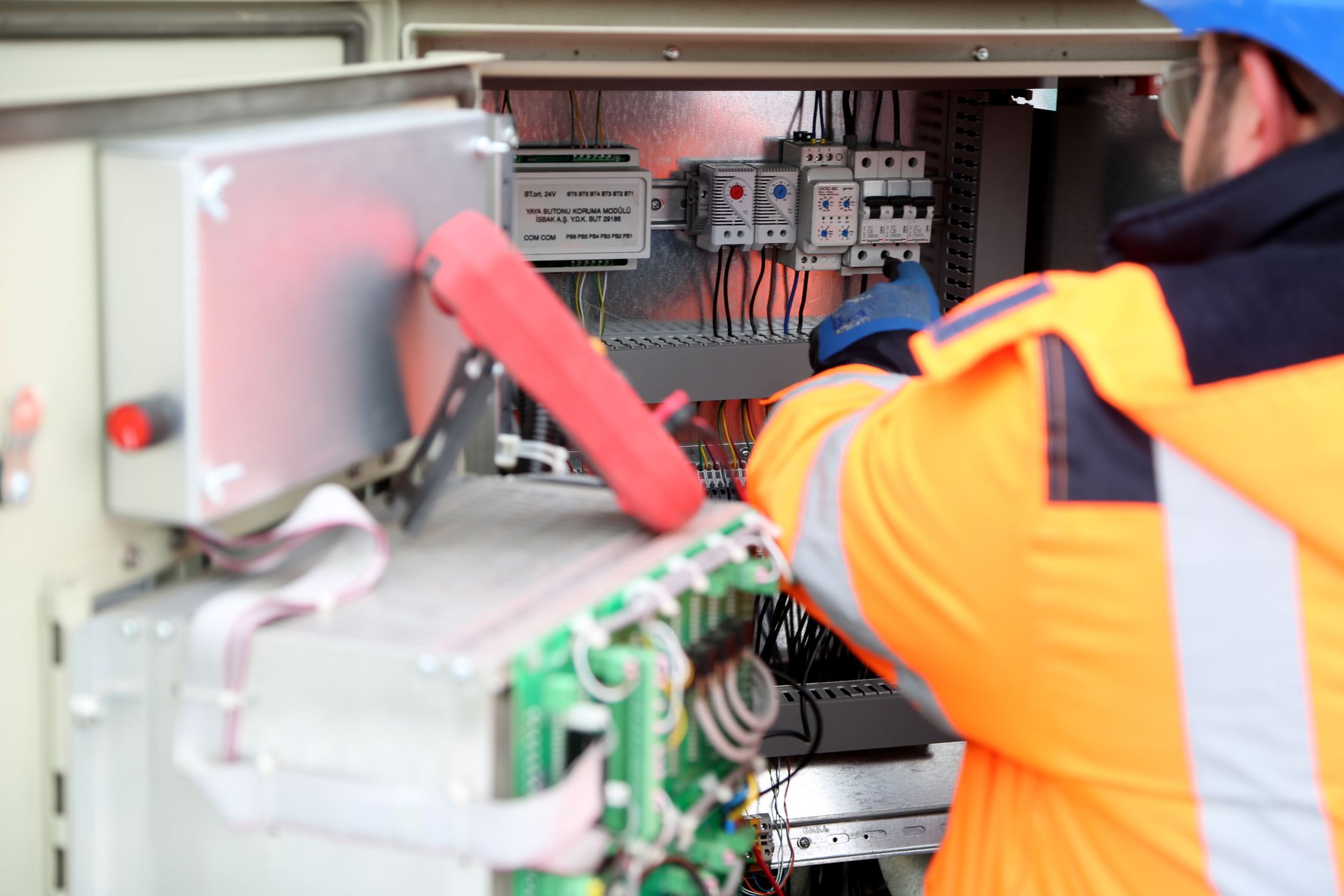
An E&I technician does everything a general industrial electrician
does — power distribution, motor circuits, conduit, wiring, troubleshooting
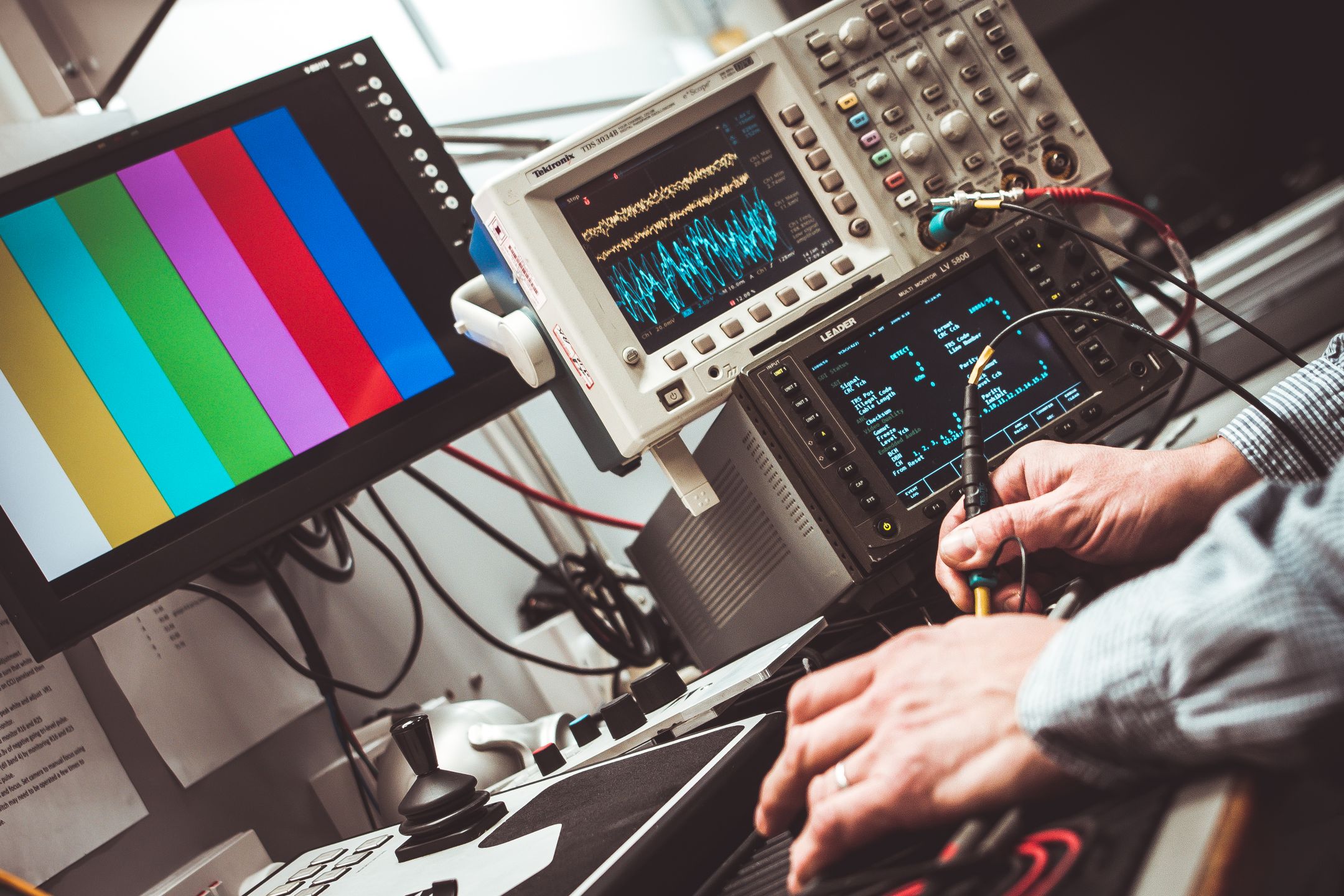
electrical faults — plus a second, distinct skill set: maintaining and
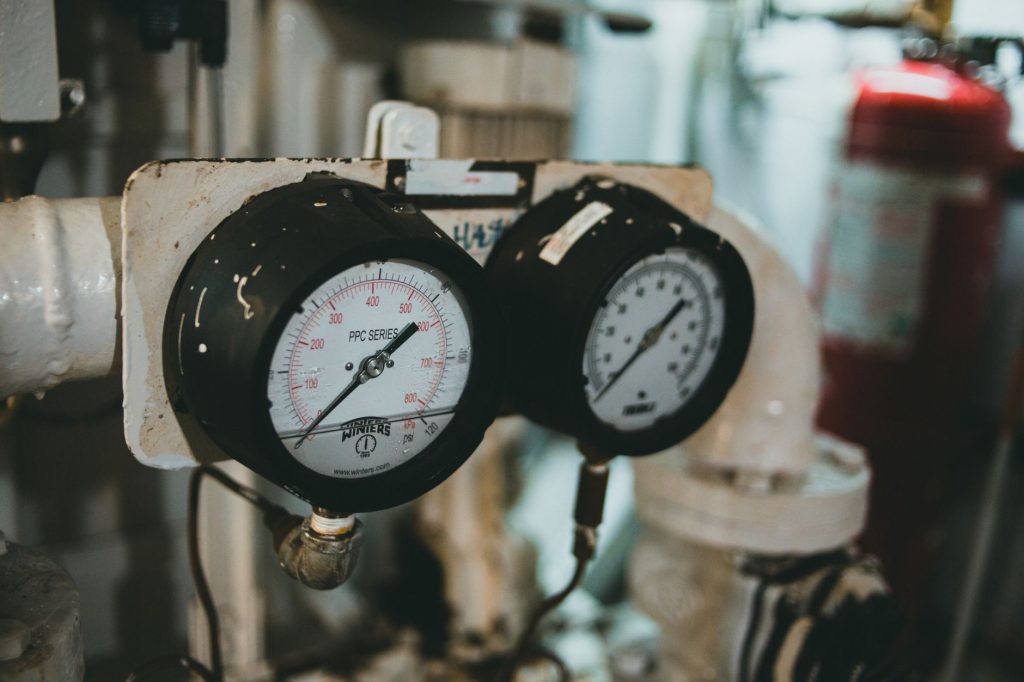
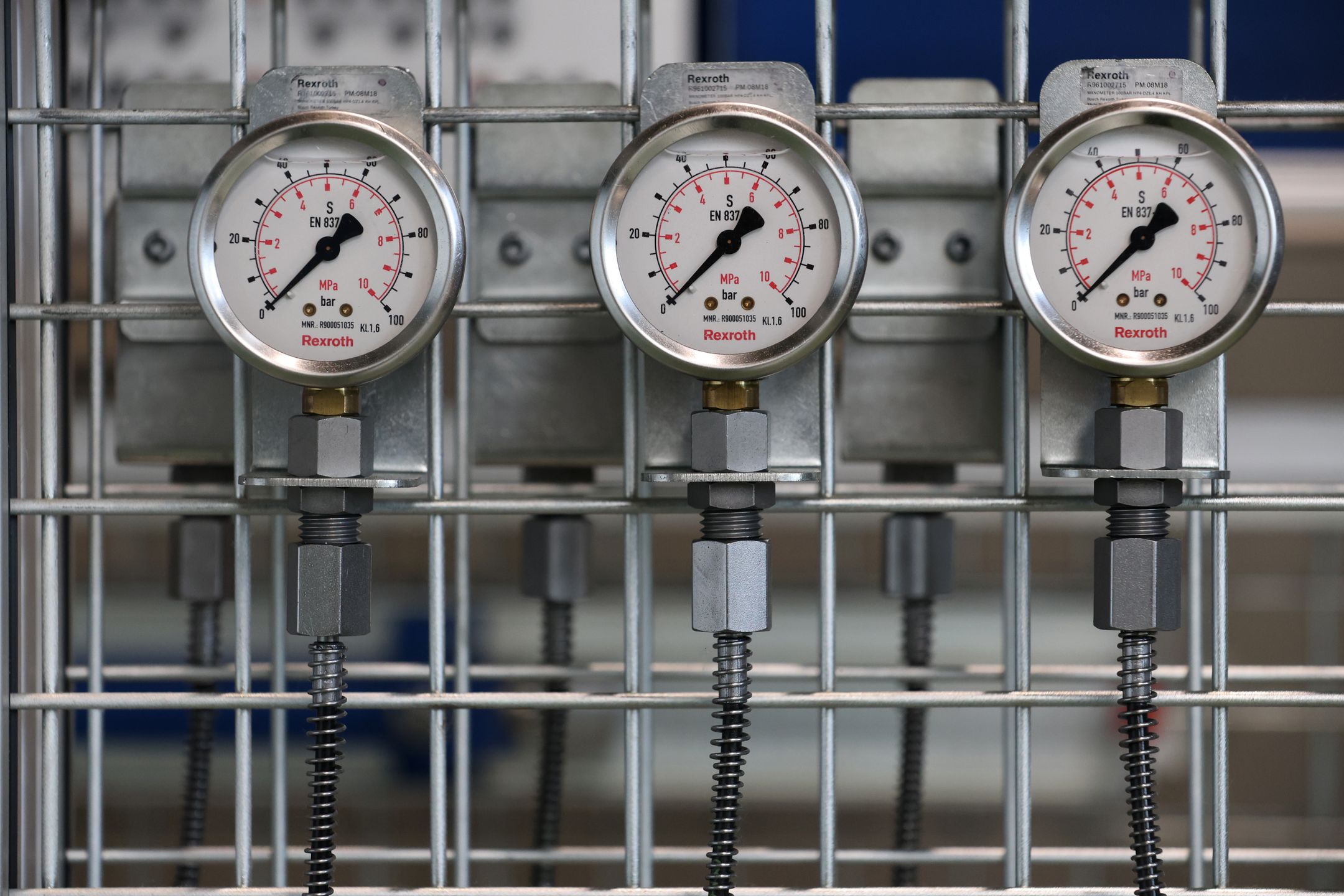
calibrating process instrumentation. That means sensors, transmitters,
control valves, and the closed-loop control systems that keep a process
(temperature, pressure, flow, level) running within spec. The
instrumentation half is what actually separates an E&I tech from a
plain electrician, and it’s the part that takes longer to learn.
E&I tech vs. electrician
How an E&I technician’s role differs from a general electrician’s
Industrial electrician
E&I technician
Core work
Power distribution, wiring, motor circuits, electrical troubleshooting
All of that, plus instrumentation and process control
Key added skill
—
Calibrating and maintaining sensors, transmitters, control loops
Common industries
General manufacturing, construction, facilities
Process industries — chemical, refining, water/wastewater, pulp and paper, power generation
How people actually get into this role
The most common entry path is an associate degree in Electrical &
Instrumentation Technology or Electronics Engineering Technology, though
formal apprenticeships and a background in military electronics or
fire-control systems also transfer well. According to O*NET’s data for
this occupation, the typical education mix is roughly split between
associate degree holders, postsecondary certificate holders, and people
who entered with a high school diploma and built the skill through
structured on-the-job training — this is a role with more than one real
path in, not a single gatekept credential.
Electricians and mechanical/HVAC technicians considering a lateral
move are well-positioned for this transition — the electrical fundamentals
usually transfer directly, and the instrumentation and process-control
layer is what needs to be added on top.
Military veterans with an electronics or fire-control background are
another strong fit that often gets overlooked in civilian hiring —
the underlying skills (reading schematics, troubleshooting complex
systems, calibrating precision equipment) transfer more directly to
E&I work than to a lot of other civilian roles that background gets
pointed toward.
What the pay and demand actually look like
The federal occupational classification covering this role — commercial
and industrial electronics/electrical equipment repairers — shows a
median wage well above many entry-level manufacturing roles, with a
typical path requiring one to two years of combined education and
on-the-job training rather than a full four-year degree. That combination
— real pay without a long, expensive credentialing path — is part of why
this role deserves more attention than it usually gets in career-path
conversations aimed at people considering the trades.
Why this role matters more in certain industries
Process industries — chemical plants, refineries, water and wastewater
treatment, pulp and paper, power generation — run on continuous, tightly
controlled processes where a failed sensor or a miscalibrated transmitter
doesn’t just cause downtime, it can cause a quality or safety incident.
That’s why these industries specifically build and retain E&I roles
rather than splitting the work between separate electrical and
instrumentation departments — the two skill sets are constantly
intertwined in troubleshooting a real process upset.
A single process upset is a good illustration of why the combined
skill set matters: a temperature reading that looks wrong could be a
failed sensor, a miscalibrated transmitter, a wiring fault, or an actual
process problem — and diagnosing which one it is quickly requires someone
comfortable moving between the electrical side and the instrumentation
side without waiting for a second specialist to be called in.
If you’re building a technical career path toward E&I work, or
hiring for the role and want to understand what to actually screen for,
you can email the training team.
Frequently asked questions
What does E&I stand for?
In manufacturing and process industries, E&I stands for Electrical & Instrumentation. The term is used differently in other fields (Equity & Inclusion in HR, Errors & Omissions in insurance), so context matters.
What’s the difference between an E&I technician and an electrician?
An E&I technician does everything a general industrial electrician does, plus maintains and calibrates process instrumentation — sensors, transmitters, control valves, and closed-loop control systems. That instrumentation skill set is the key differentiator.
How do you become an E&I technician?
Common paths include an associate degree in Electrical & Instrumentation Technology or Electronics Engineering Technology, a formal apprenticeship, or a background in military electronics transitioning to civilian industry. Electricians and mechanical technicians can also move laterally by adding instrumentation skills.
Which industries employ the most E&I technicians?
Process industries with continuous, tightly controlled operations — chemical plants, refineries, water and wastewater treatment, pulp and paper, and power generation — rely heavily on E&I technicians specifically because electrical and instrumentation troubleshooting are constantly intertwined in those environments.
South Carolina Manufacturing Extension Partnership has delivered manufacturing training to South Carolina manufacturers since 1989. Articles are produced and reviewed by SCMEP's training team.