Blog
-

Root Cause Failure Analysis and Weibull Analysis, Explained
How reliability engineers use root cause failure analysis and Weibull analysis together to reduce unplanned downtime. Read more →
-
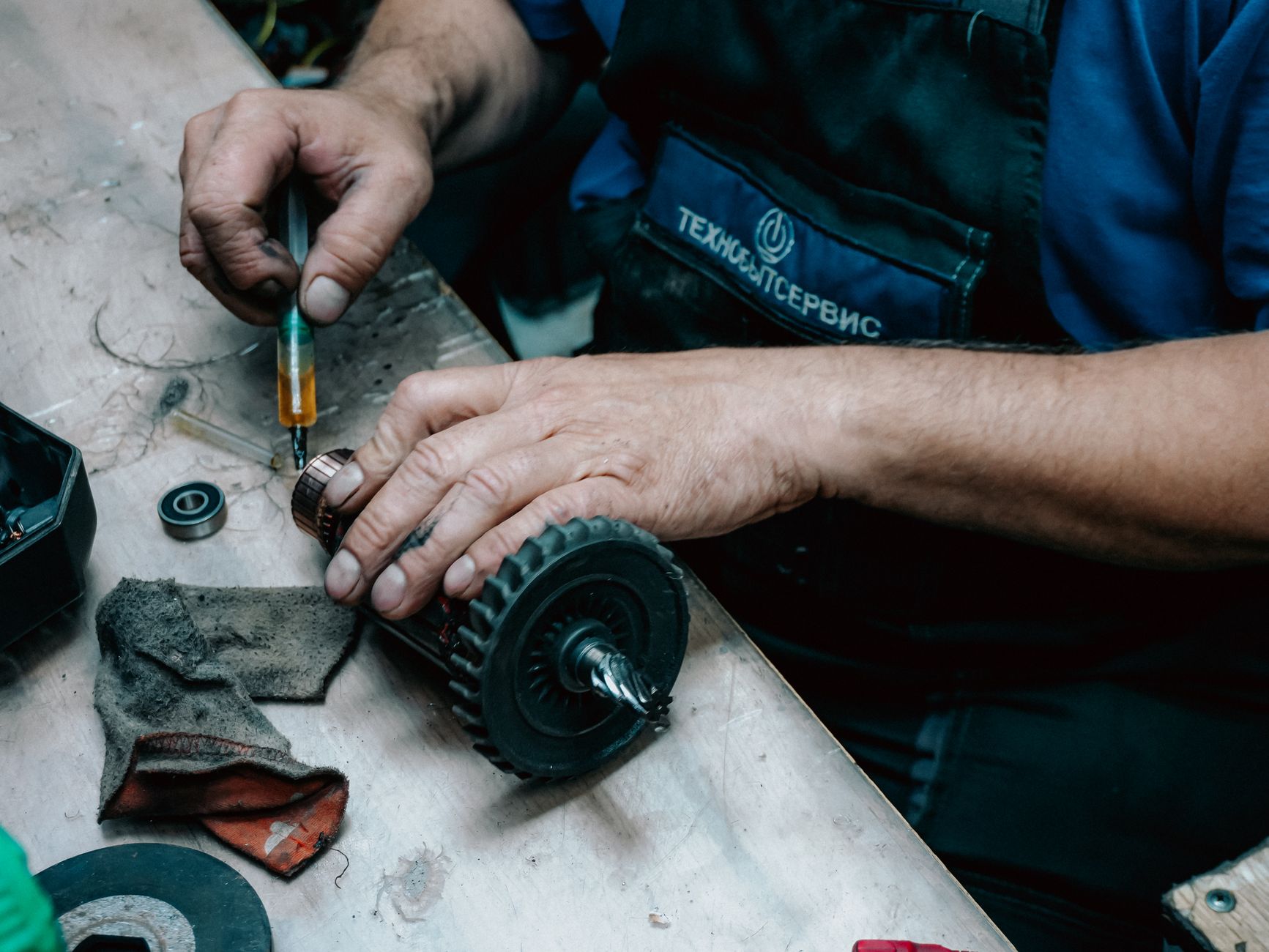
Lubrication Fundamentals: Choosing the Right Grease or Oil
How to select the right lubricant for industrial equipment, and why over-greasing causes as many failures as under-greasing. Read more →
-
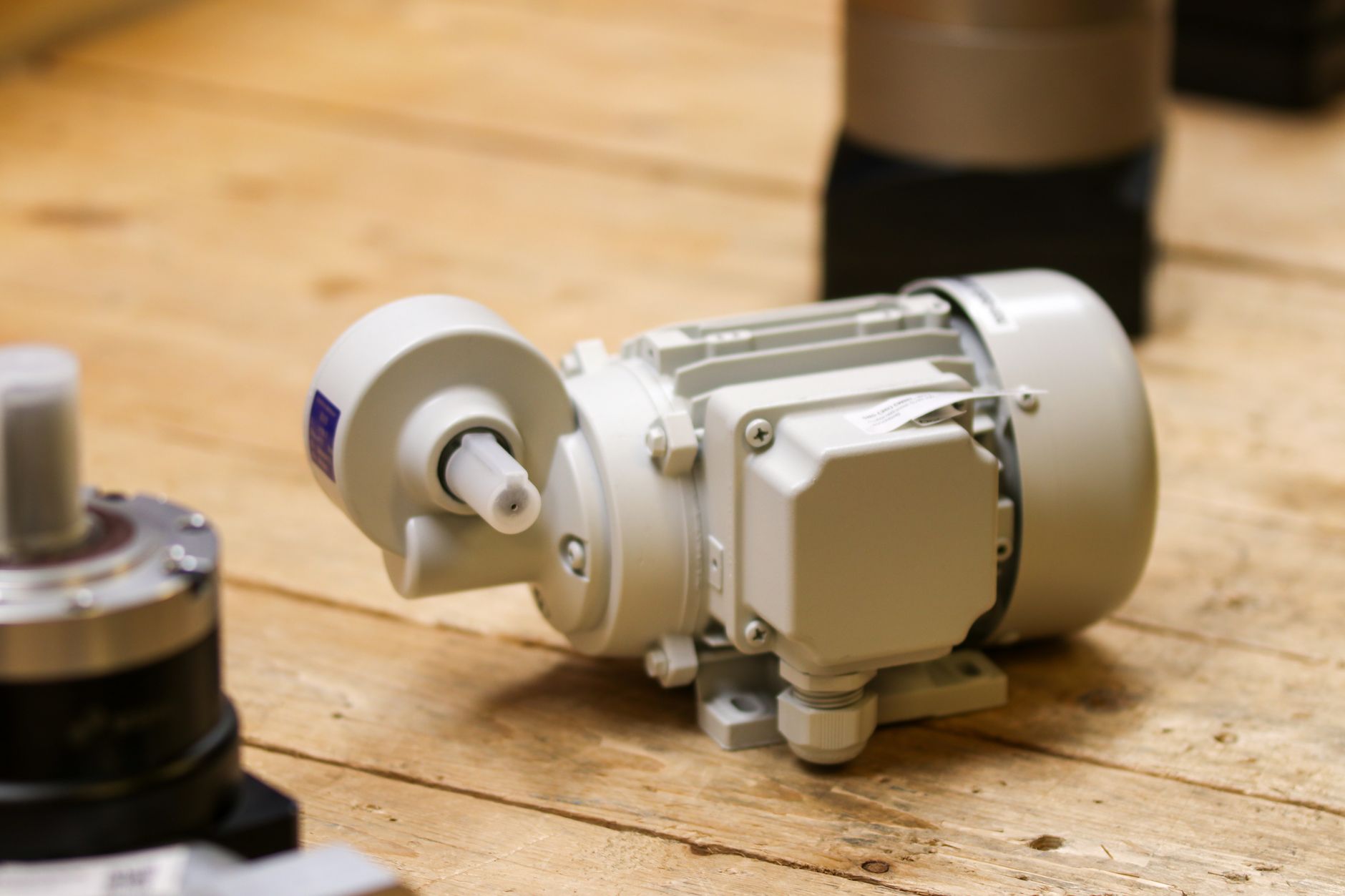
Servo Motors vs. Stepper Motors: Which One Do You Need?
The practical differences between servo and stepper motors, and how to decide which fits a given motion control application. Read more →
-
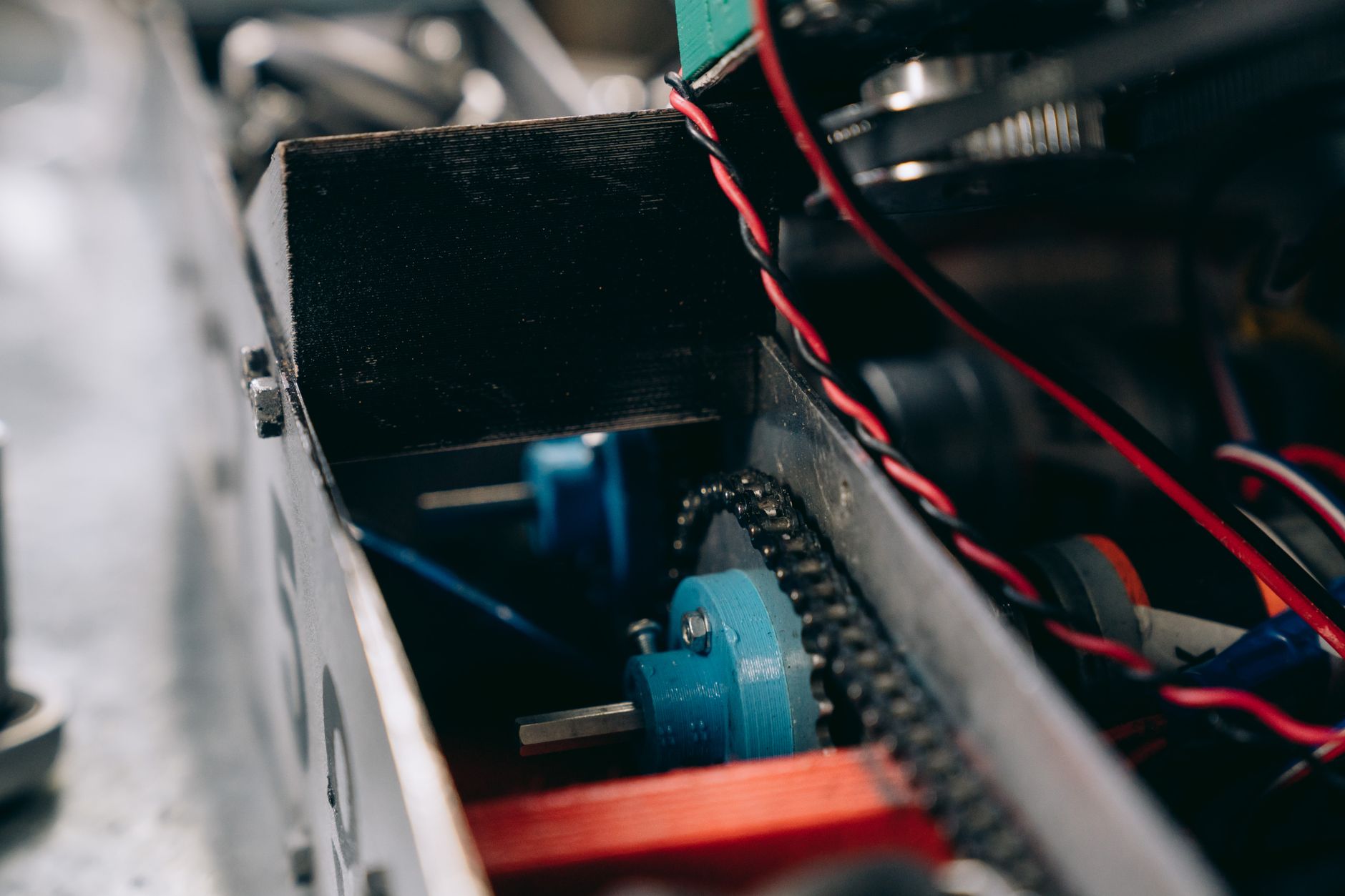
Sensors and Encoders in Industrial Automation: The Basics
An introduction to the sensors and encoders manufacturers rely on for automation, from proximity sensors to photoelectric beams. Read more →
-
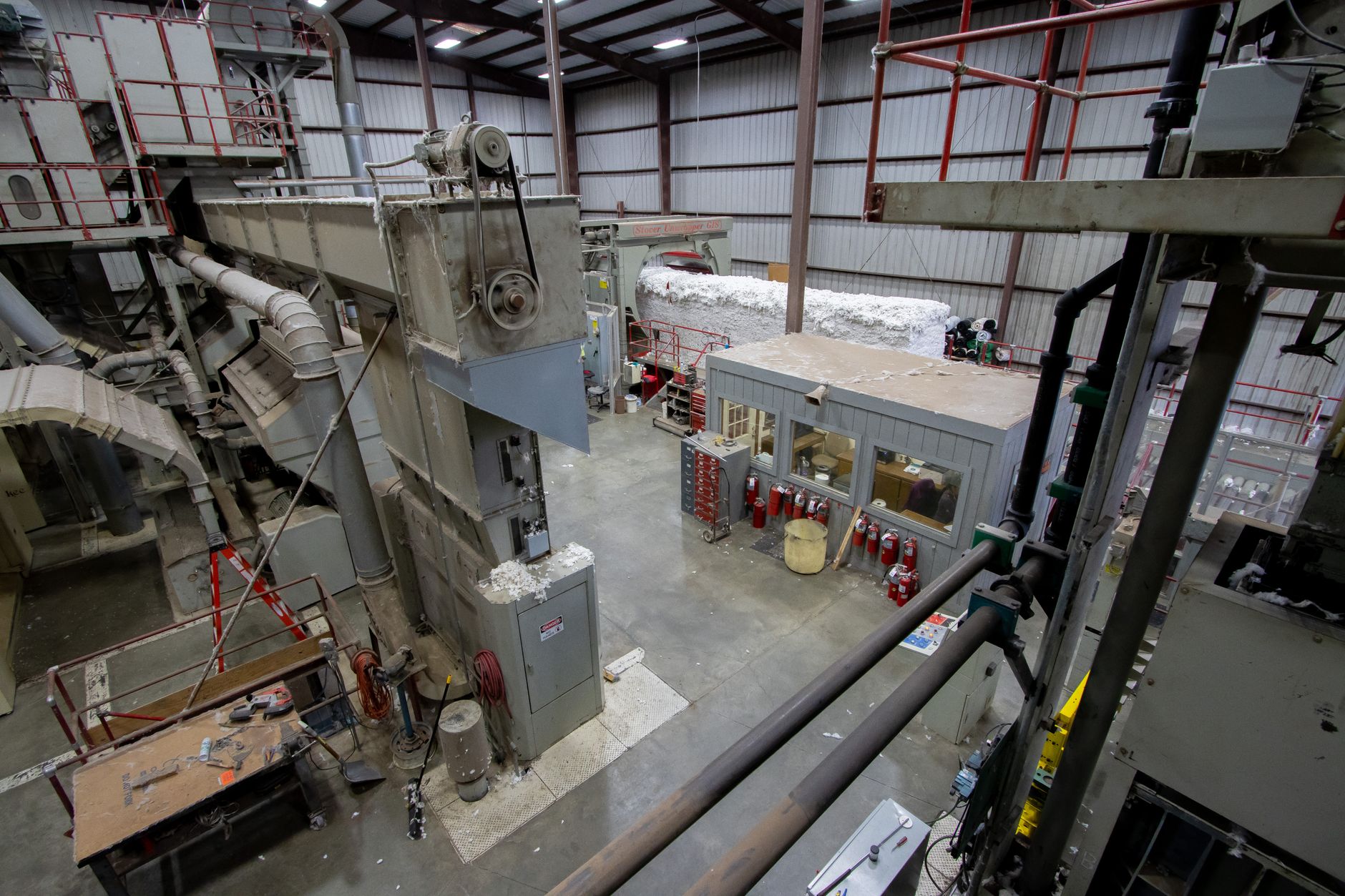
The Eight Wastes of Lean (DOWNTIME): A Field Guide
A practical walkthrough of the eight wastes of lean manufacturing, using the DOWNTIME acronym, with shop-floor examples. Read more →
-

Hoshin Kanri: A Practical Introduction to Policy Deployment
How Hoshin Kanri connects long-term strategy to daily shop-floor work through an X-matrix and structured review cadence. Read more →
-

Cpk vs. Ppk: Process Capability Explained
The practical difference between Cpk and Ppk, and how to use process capability indices to know if a process can meet spec. Read more →
-
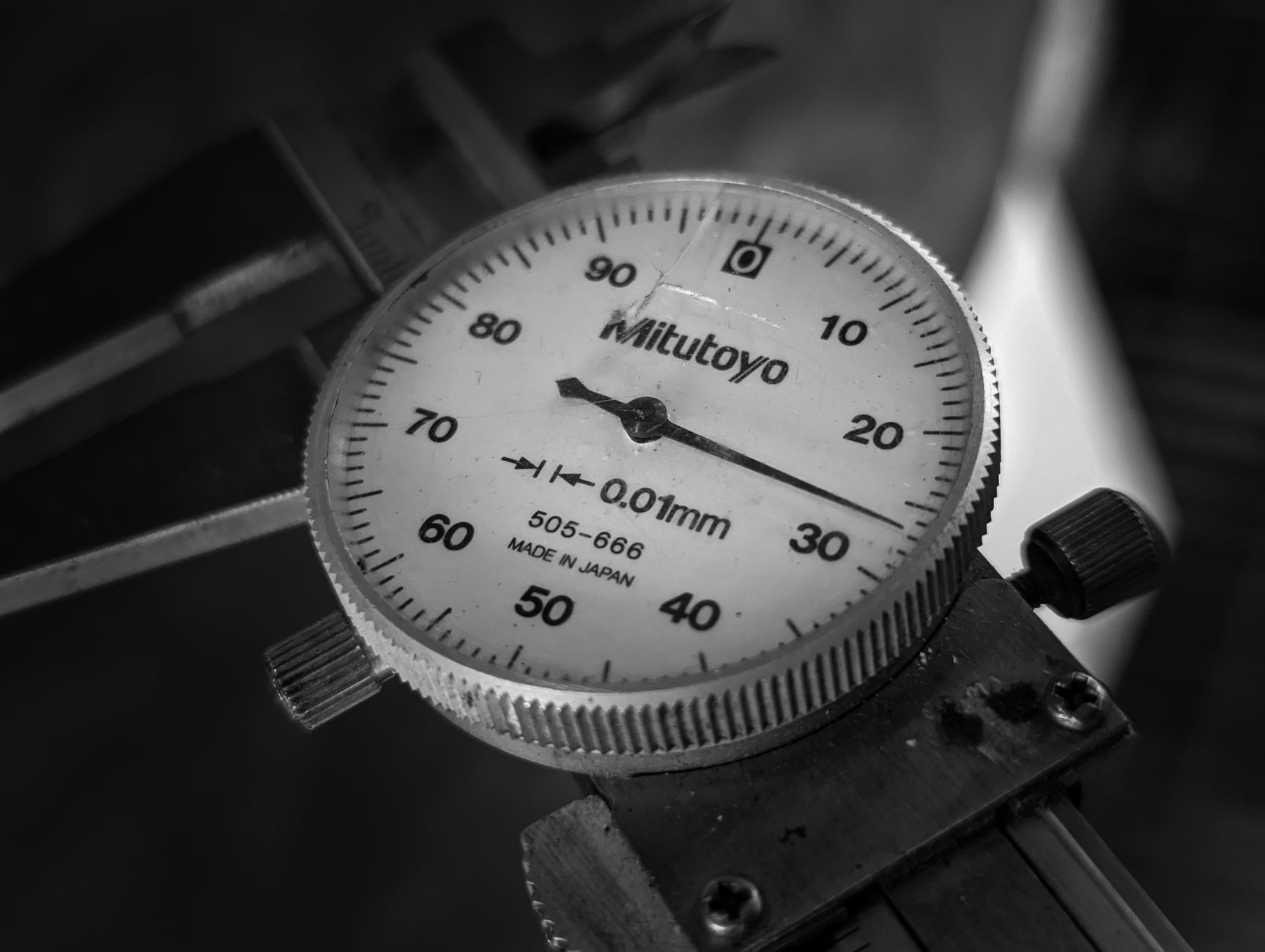
Gage Calibration Intervals: How to Set and Manage a Calibration Program
How to set calibration intervals for measurement tools, track due dates, and respond when a gage comes back out of tolerance. Read more →
-

Emergency Action Plans: What OSHA 1910.38 Actually Requires
What belongs in an OSHA-compliant emergency action plan, and how to make sure your team knows what to do during a drill. Read more →
-

Job Hazard Analysis (JHA): A Practical Guide for Manufacturing Teams
How to conduct a job hazard analysis that actually identifies and controls risk on the shop floor, not just fills out a form. Read more →