Blog
-
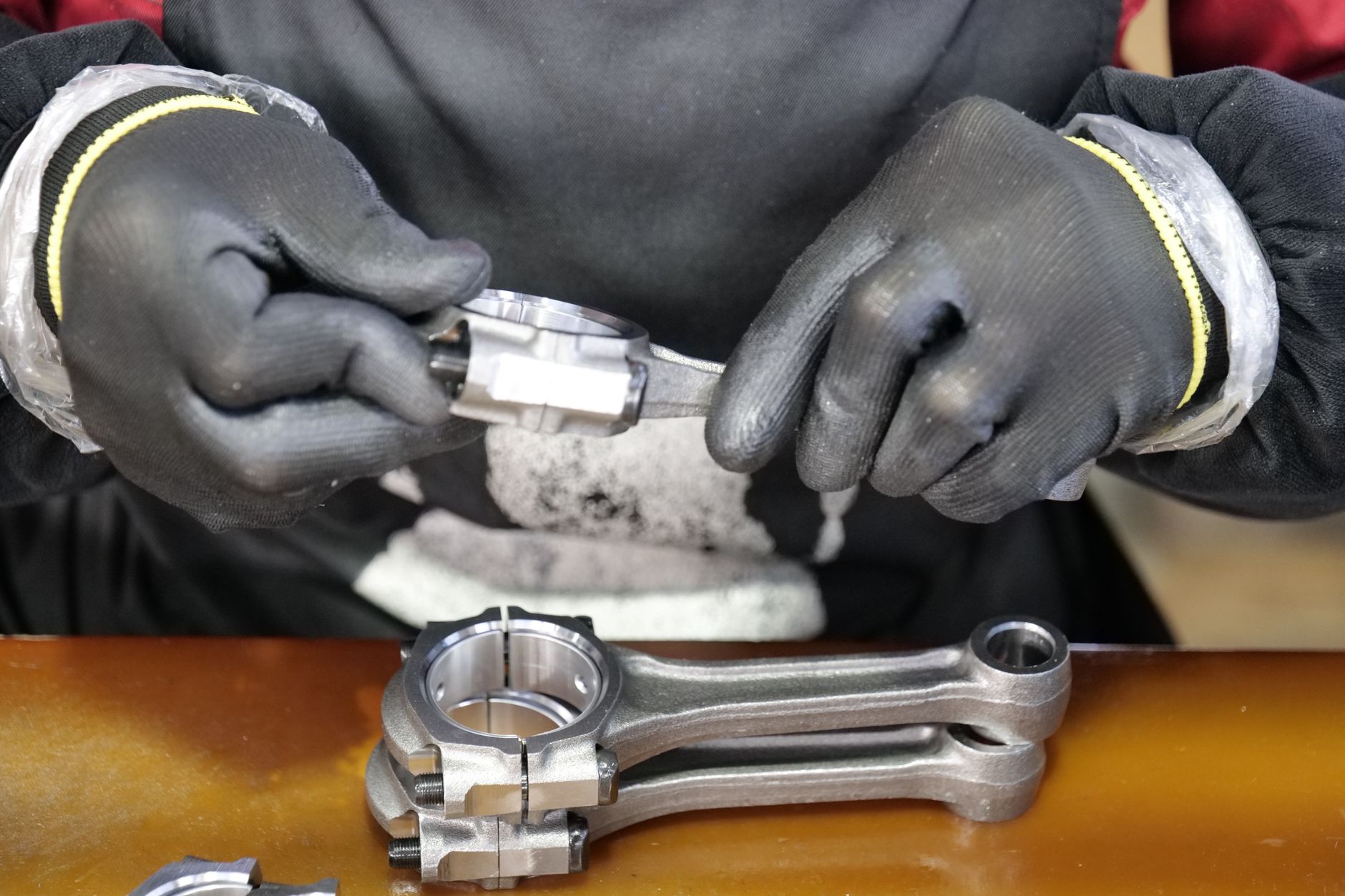
PPAP 101: The 18 Elements Every Automotive Supplier Must Master
PPAP has five submission levels, and the difference between Level 1 and Level 5 is the difference between one signed form and opening your entire documentation file to an on-site review. The 18 elements, the five levels, and where submissions… Read more →
-
IATF 16949 Explained: What South Carolina’s Automotive Suppliers Need to Know
IATF 16949 can’t stand on its own — it’s an automotive-specific add-on that only works bolted to an ISO 9001:2015 base. How the standard actually relates to ISO 9001, the five required core tools, and why it’s a routine cost… Read more →
-

Registered Apprenticeships: Building South Carolina’s Next Generation of Skilled Manufacturing Workers
A Registered Apprenticeship isn’t an internship with a fancier name — it’s a Department of Labor credential pathway combining paid on-the-job training with technical instruction. What makes it “registered,” and how Apprenticeship Carolina is building the state’s manufacturing pipeline. Read more →
-

ISO 14001 Environmental Management: A Manufacturer’s Guide to Certification
ISO 14001 doesn’t tell a manufacturer how clean its wastewater has to be — it’s a management-system standard, not a performance standard. What certification actually confirms, the current 2026 edition, and why customers are pushing EMS certification down the supply… Read more →
-

Cobots on the Shop Floor: Safety Standards for Human-Robot Collaboration
Most “collaborative robots” on real production floors aren’t actually collaborating moment-to-moment — they’re coexisting in the same space. The ISO 10218 and ISO/TS 15066 standards that govern cobot safety, and why removing the cage doesn’t automatically make a robot collaborative. Read more →
-
Vibration Analysis 101: Predictive Maintenance for Rotating Equipment
A bearing about to fail changes its vibration signature in specific, measurable ways long before a human ear would notice. What vibration analysis actually measures, common fault signatures, and how it fits alongside a Reliability Centered Maintenance strategy. Read more →
-
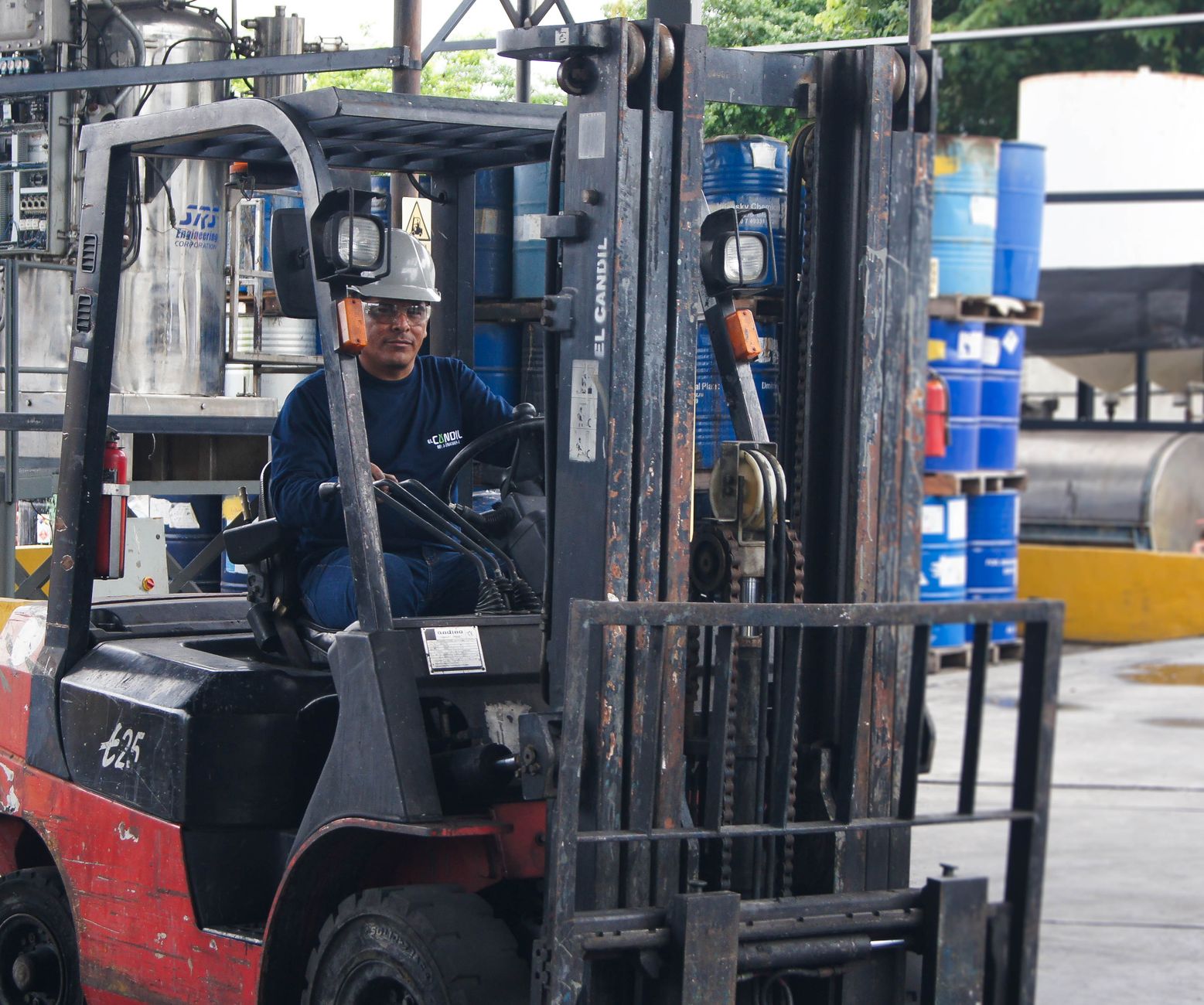
Forklift Certification Requirements: OSHA 1910.178 Training Rules Explained
OSHA requires a formal forklift operator evaluation at least every three years — but a single accident or a switch to a different truck type triggers retraining immediately, regardless of the calendar. The three training components, and what actually triggers… Read more →
-

Machine Guarding Requirements: OSHA 1910.212 Explained
A special hand tool doesn’t count as machine guarding — it can only supplement it. OSHA 1910.212’s acceptable guarding methods, and why a poorly designed guard can be worse than no guard at all. Read more →
-

FMEA Fundamentals: How the AIAG-VDA Handbook Changed Failure Mode Analysis
The old FMEA scoring method could mathematically rank a minor cosmetic defect above a failure that hurts someone. Why the industry replaced Risk Priority Number with Action Priority in 2019, and how FMEA differs from reactive root cause analysis. Read more →
-

Statistical Process Control (SPC): Using Control Charts to Catch Defects Before They Happen
A control chart isn’t a pass/fail tolerance check — it answers a different question than “is this part in spec?” The common-cause vs. special-cause distinction that’s the foundation of SPC, and why it’s a required automotive core tool. Read more →