Blog
-
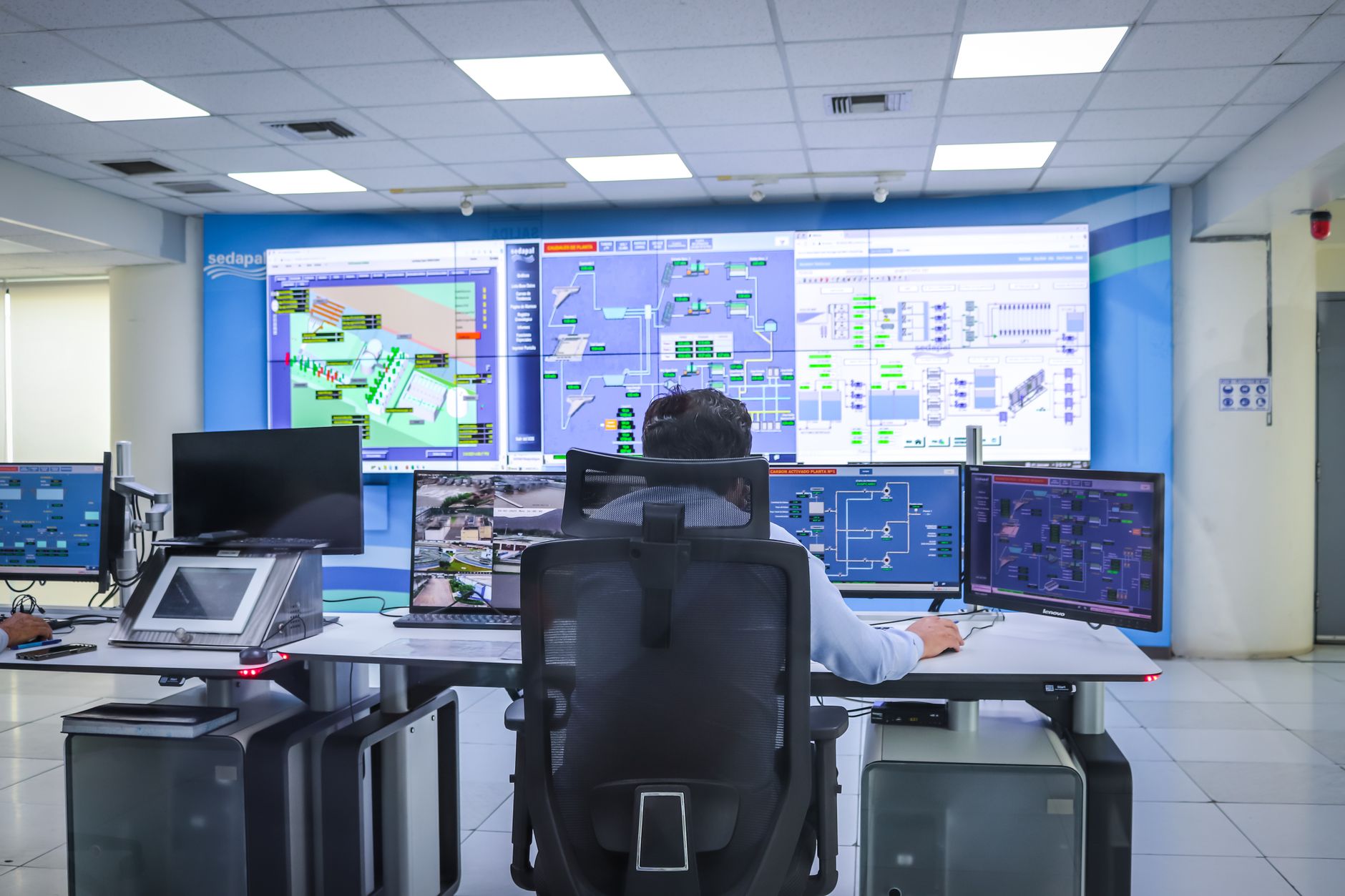
SCADA Systems in Manufacturing: Supervisory Control Explained
A PLC controls one machine. SCADA is what lets someone see and coordinate all of them at once. How SCADA relates to PLC programming, and why industrial control system security is its own discipline. Read more →
-
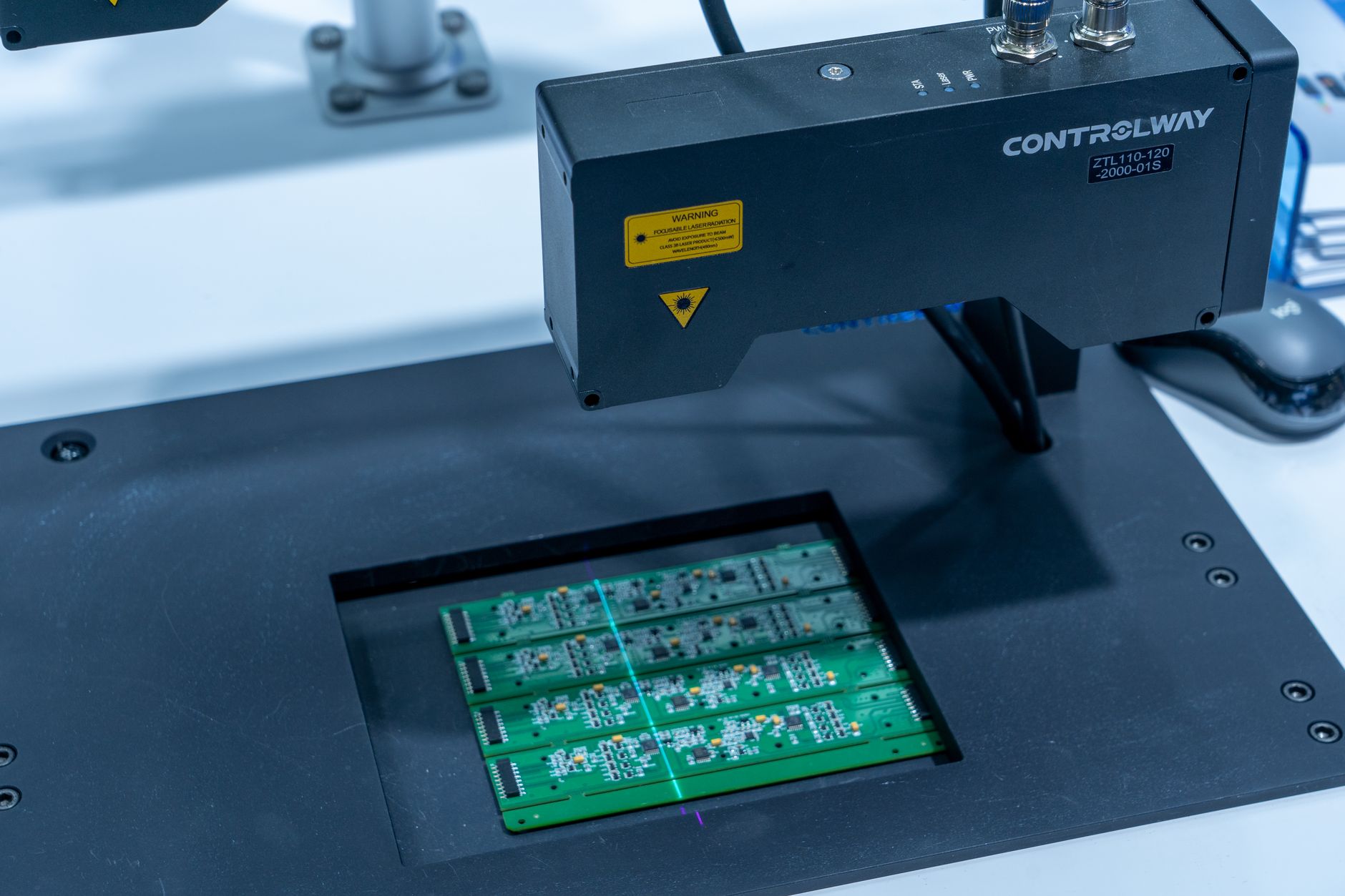
Machine Vision Inspection: Automating Quality Control on the Production Line
A human inspector gets tired and inconsistent across an 8-hour shift. A machine vision system checks the 10,000th part exactly the same way it checked the first. Rule-based vs. deep-learning vision, and why a vision system fails silently. Read more →
-

Overall Equipment Effectiveness (OEE): Calculating and Improving Your Score
“85% OEE is world class” gets repeated so often it’s treated as gospel, but it’s a rough benchmark, not a universal target. The three OEE factors, why chasing a borrowed number backfires, and how to use OEE to diagnose the… Read more →
-

The NIOSH Lifting Equation: Reducing Musculoskeletal Injury Risk on the Shop Floor
A 40-pound box isn’t automatically safe to lift just because someone can physically pick it up. What the NIOSH lifting equation actually calculates, the Lifting Index, and why task geometry matters more than raw weight. Read more →
-

Hearing Conservation Programs: The OSHA 1910.95 Basics
85 decibels is the exact line where OSHA requires a formal hearing conservation program. The audiogram schedule, why the baseline audiogram matters more than people think, and what triggers the program in the first place. Read more →
-

Confined Space Entry: OSHA 1910.146 Requirements for Manufacturing
The atmospheric testing sequence in a confined space isn’t arbitrary — oxygen first, then combustibles, then toxics. The atmospheric thresholds, the three required roles, and why the attendant’s job is harder than it sounds. Read more →
-

APQP Explained: The Automotive Quality Framework Behind PPAP
PPAP is the final exam. APQP is the entire semester leading up to it. The five APQP phases, why the sequence matters, and how the framework has spread beyond automotive. Read more →
-
CMM & Dimensional Metrology: How Coordinate Measuring Machines Verify GD&T
A GD&T callout on a drawing is a promise. A CMM is what actually checks whether the part kept it. Common probe types, why calibration traceability matters as much as the measurement, and why CMM programming is a quality-engineering skill. Read more →
-
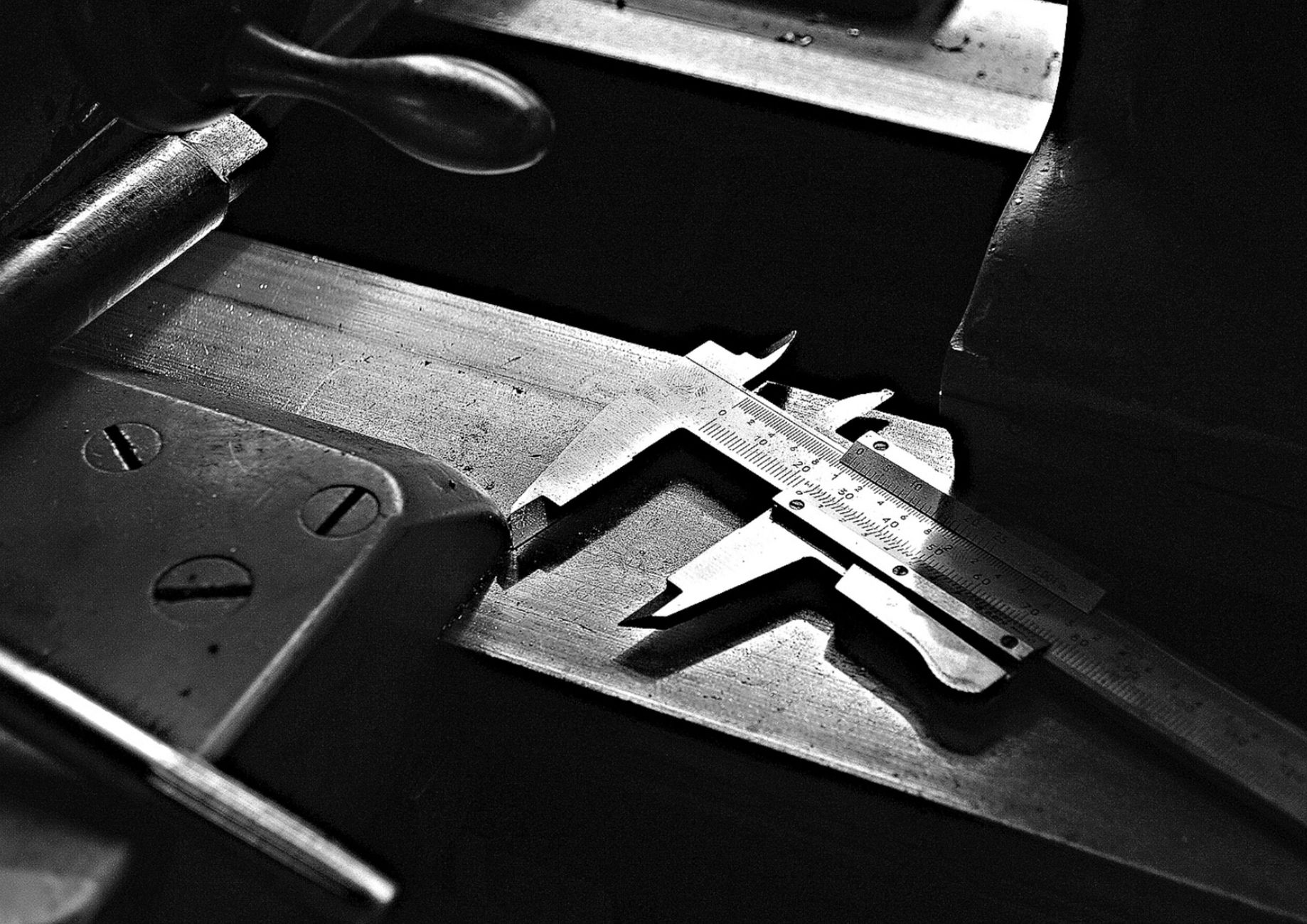
AS9102 First Article Inspection: A Plain-English Guide for Machine Shops
Form 3 is where most first article inspections actually fail — not because the part is wrong, but because someone tried to summarize instead of individually verifying every characteristic. The three FAIR forms explained, and when a new FAI is… Read more →
-
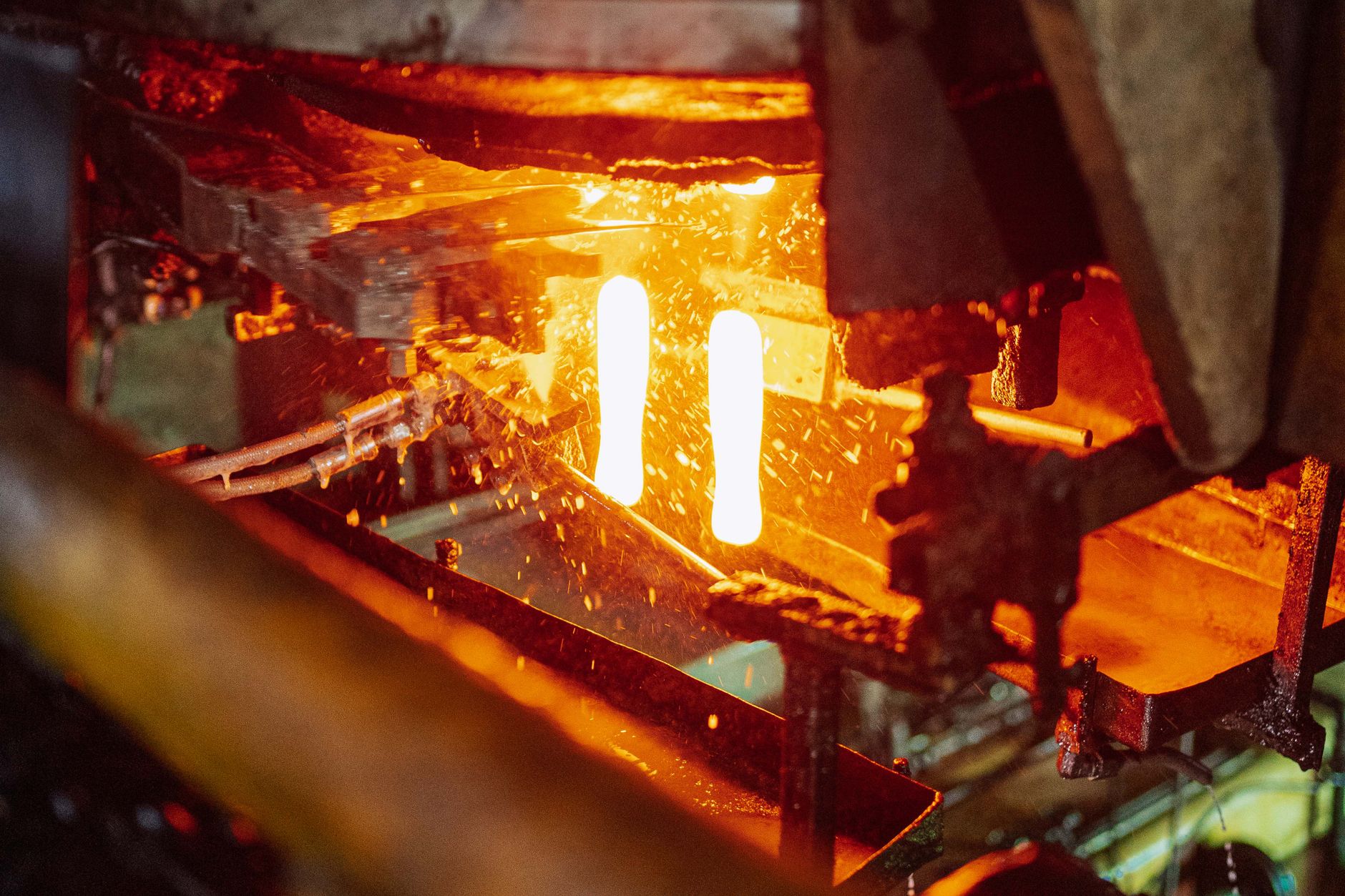
Nadcap Accreditation: What It Means for Aerospace & Defense Suppliers
Nadcap exists so a heat-treating shop doesn’t have to pass a dozen slightly different customer audits for the same process. What Nadcap actually accredits, how it differs from AS9100, and why South Carolina’s Boeing supplier ecosystem runs into it constantly. Read more →