Blog
-

Six Sigma Belts Explained: Yellow, Green, and Black Belt Differences
The difference between a Green Belt and a Black Belt isn’t skill level the way a karate belt is — it’s how much of the job is Six Sigma. The belt levels compared, the DMAIC methodology underneath them, and how… Read more →
-
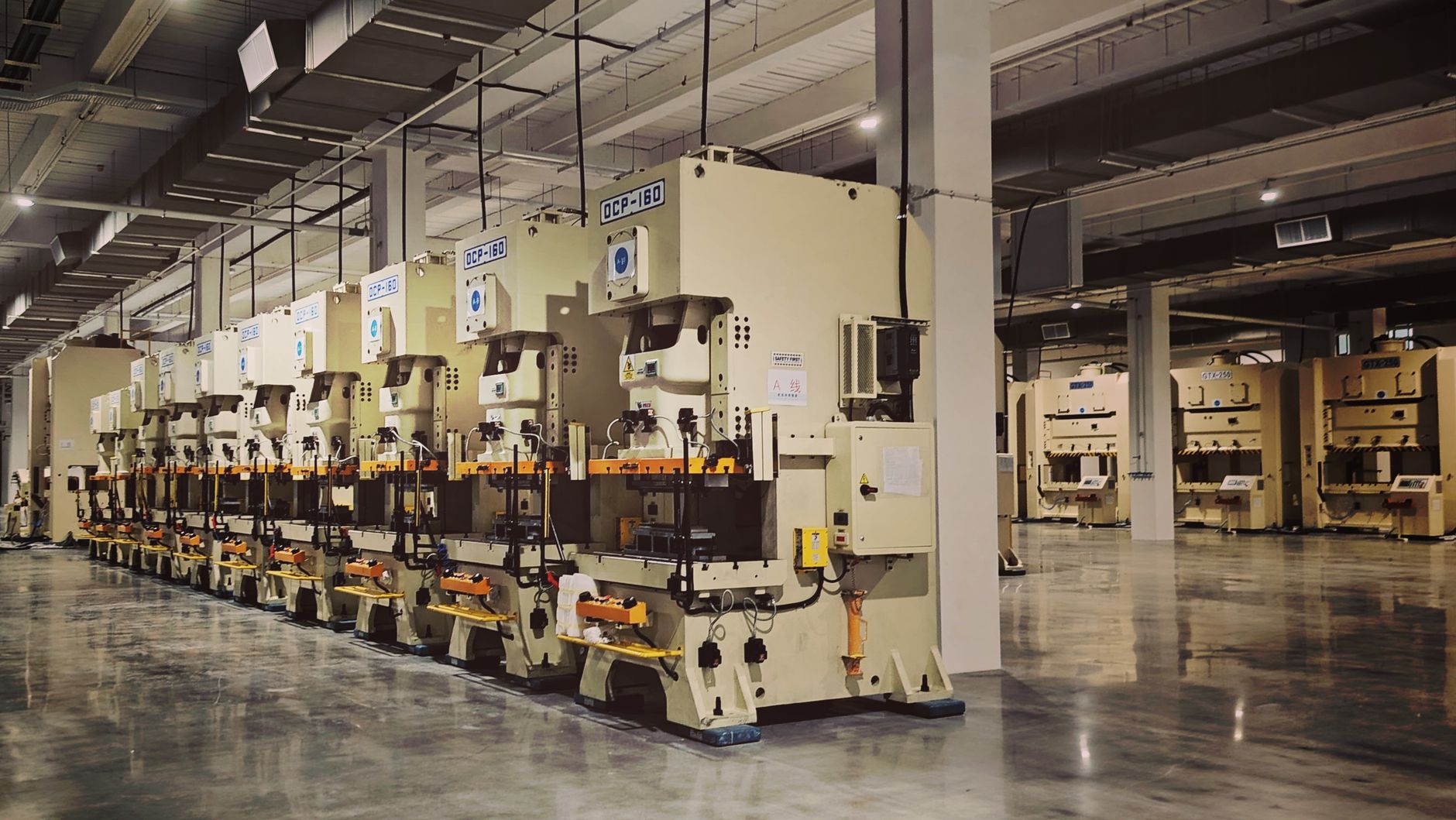
SMED (Single-Minute Exchange of Die): Cutting Changeover Time on the Shop Floor
“Single-minute” doesn’t mean 60 seconds — it means single-digit minutes, under 10. The internal-vs-external setup distinction that’s the entire method, and why changeover time is often what makes small-batch flexibility economically viable. Read more →
-
Reshoring in 2026: Why Manufacturers Are Bringing Production Back to South Carolina
Reshoring and FDI job announcements topped 244,000 in 2024, and South Carolina keeps showing up on the winning side of it. Why companies are actually reshoring, and what a reshoring decision requires operationally beyond real estate and hiring. Read more →
-

CMMC 2.0 Compliance: What Defense Manufacturers Need to Know Before Certification
CMMC 2.0 has three levels, and most manufacturers guess wrong about which one applies to them — it’s not about company size, it’s about whether you handle Controlled Unclassified Information. The three levels explained, and why CUI can show up… Read more →
-
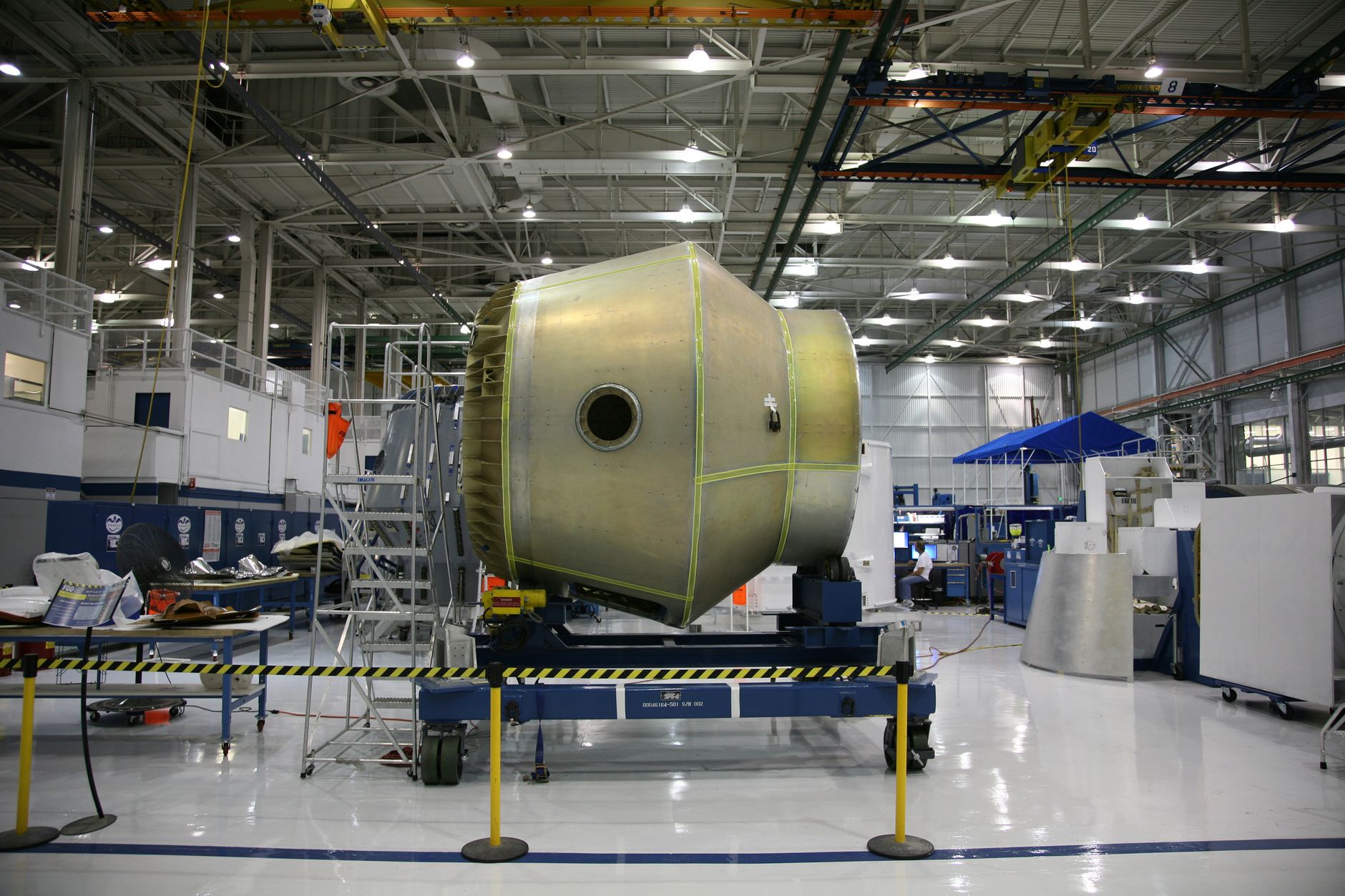
AS9100D Certification: A Quality Roadmap for Aerospace Suppliers
AS9100D fully incorporates ISO 9001:2015 and adds aerospace-specific clauses around counterfeit-parts prevention, configuration management, and product safety. What’s genuinely new in the “D” revision, and why it’s a non-negotiable for SC’s Boeing supplier ecosystem. Read more →
-
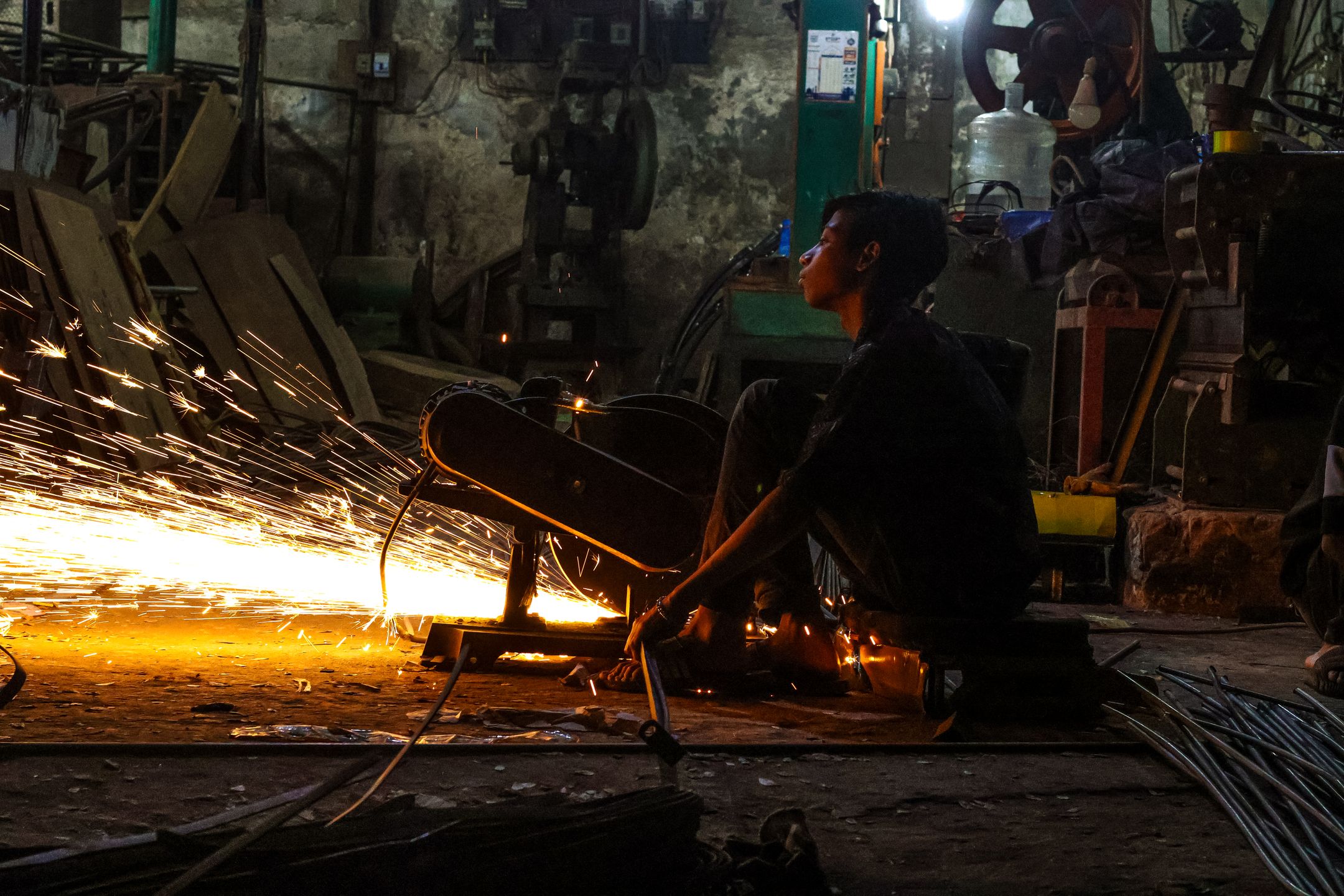
Centerless vs. Cylindrical Grinding: What’s the Difference?
“Centerless” isn’t a marketing name — it describes exactly what’s missing: no chuck, no spindle, no center at all. Centerless vs. cylindrical vs. surface grinding compared, and how to choose a grinding wheel. Read more →
-
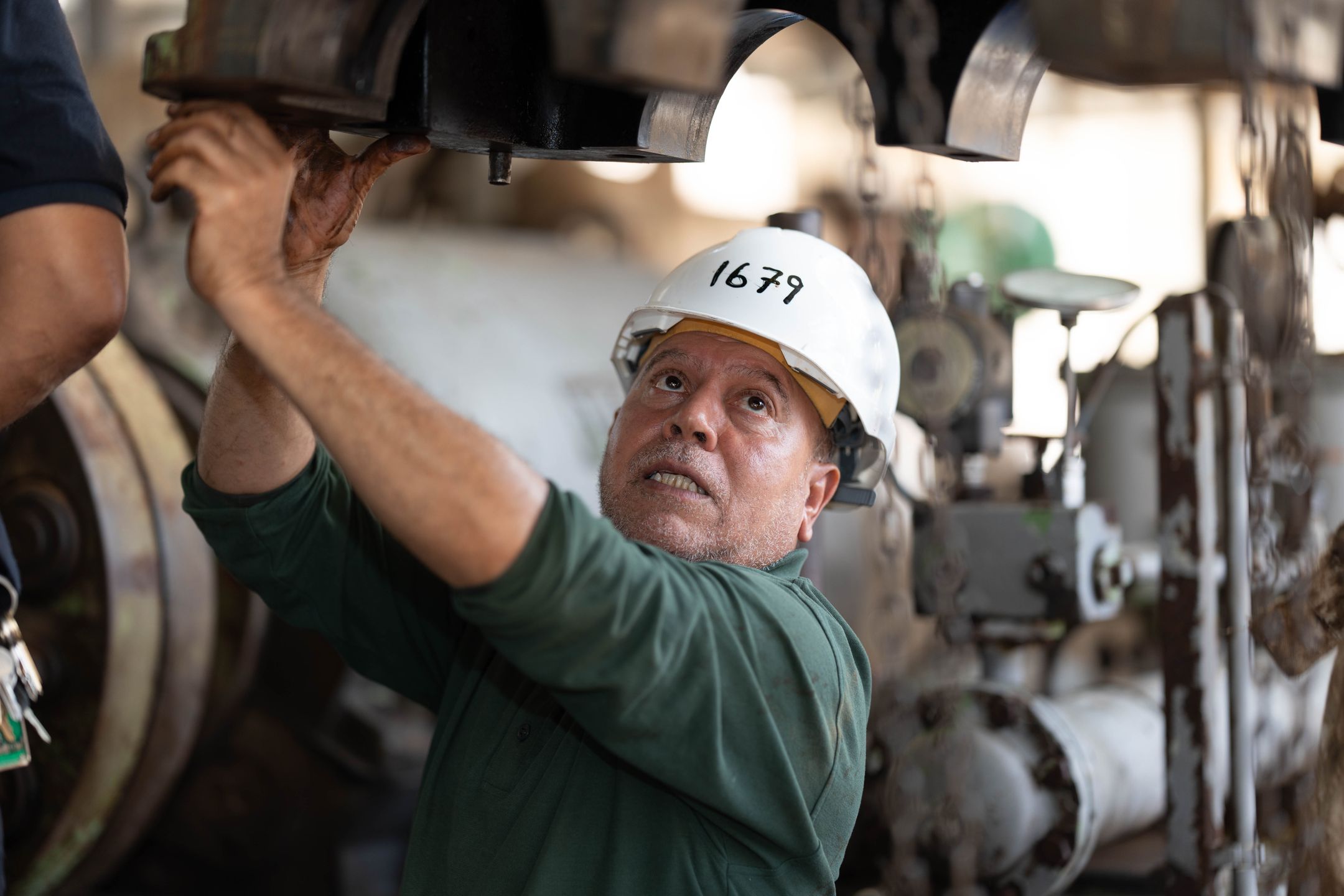
Total Productive Maintenance (TPM): The 8 Pillars Explained
TPM and RCM both aim at more reliable equipment, but they answer completely different questions — one is a plant-wide culture, the other an asset-by-asset analysis. The 8 pillars of TPM, autonomous maintenance, and how OEE is calculated. Read more →
-
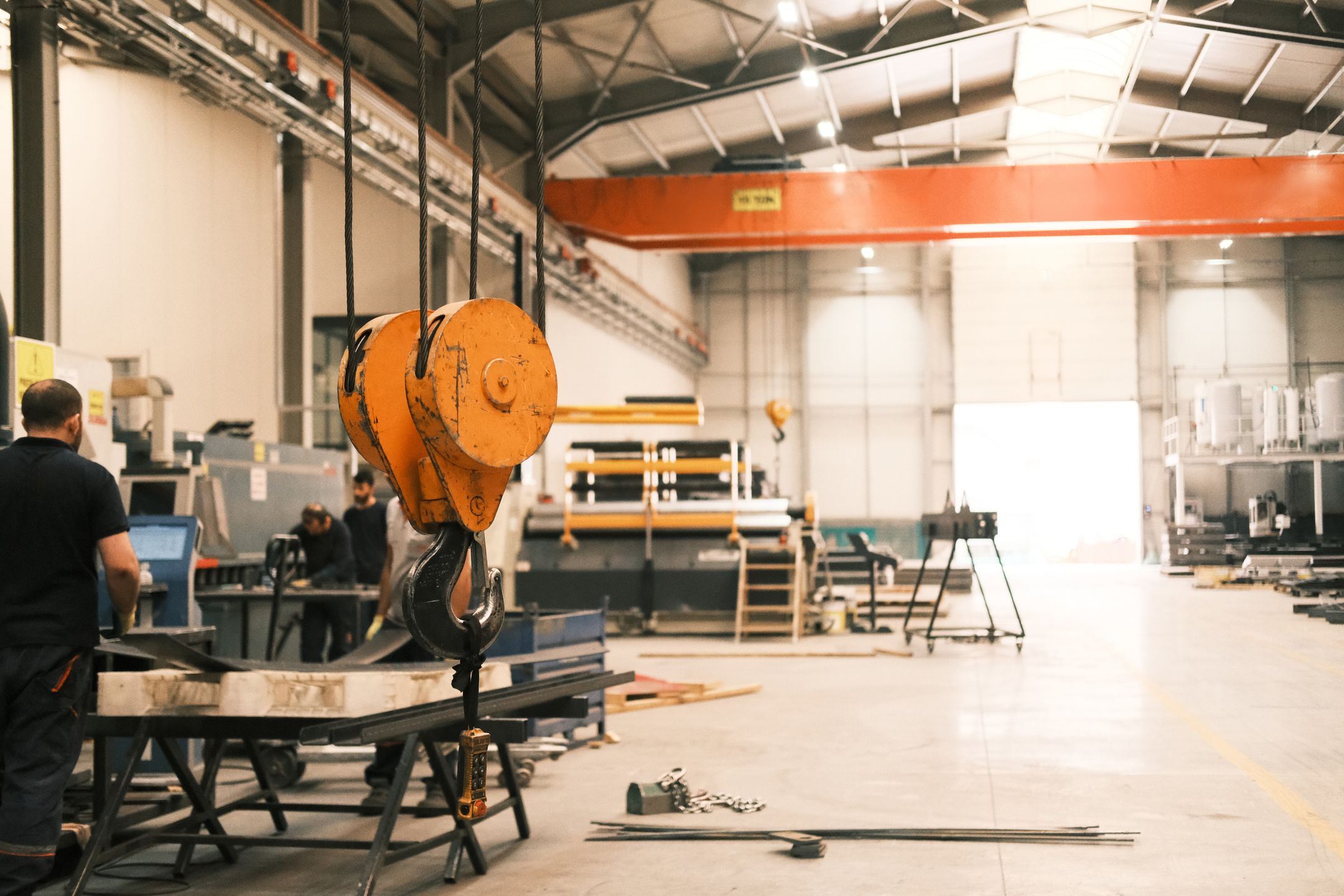
Rigging Equipment and Sling Angles: Why the Math Matters
A sling rigged at 30 degrees from horizontal carries roughly twice the tension of the same sling rigged straight up and down — the single fact behind more rigging overload incidents than any equipment failure. OSHA’s rigging equipment rules and… Read more →
-
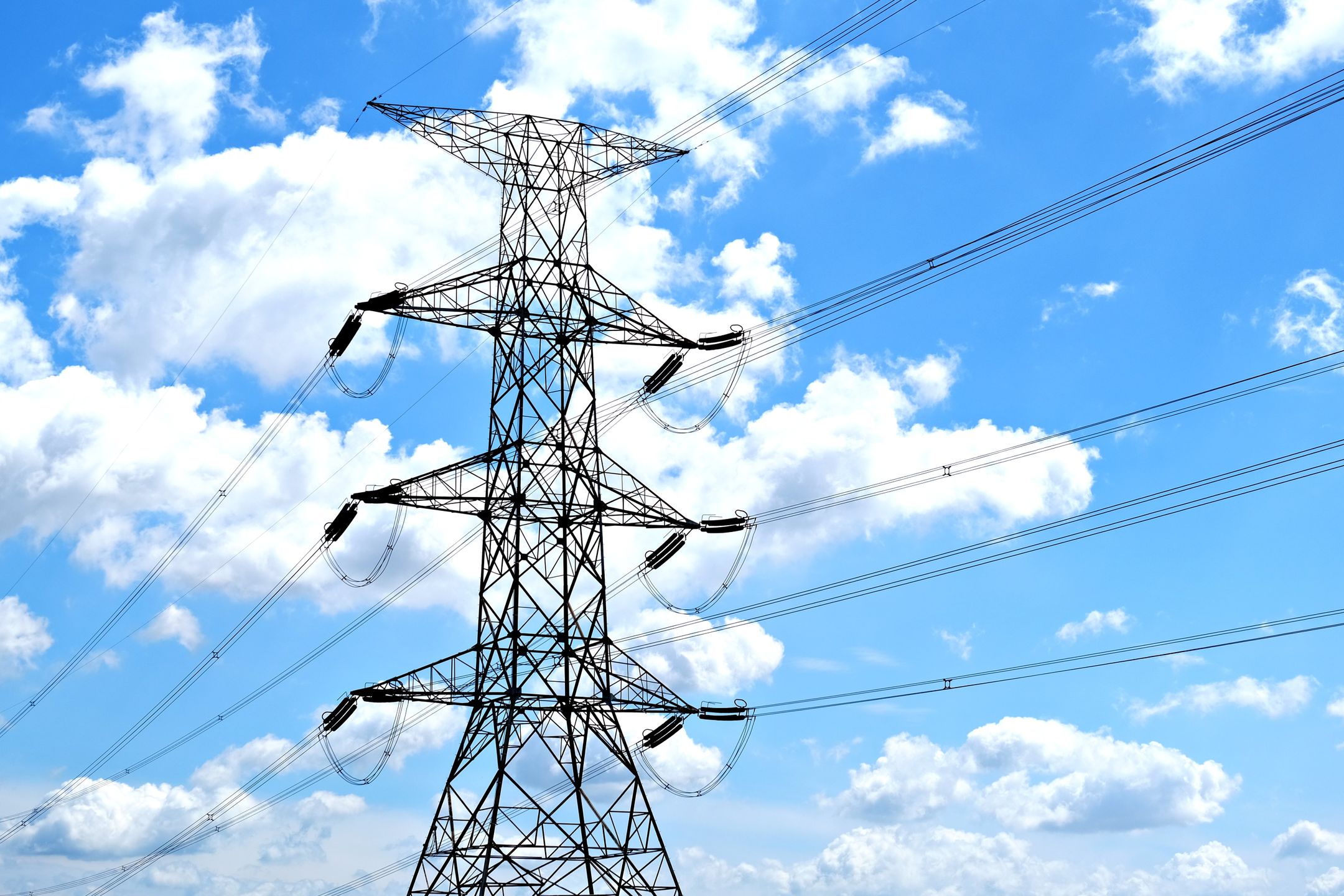
What Counts as “High Voltage” in a Manufacturing Plant?
“High voltage” means something different in an electrical utility than it does in a typical manufacturing facility, where 480V already carries serious arc flash risk. NFPA 70E basics, arc flash mechanics, and the hierarchy of controls. Read more →
-
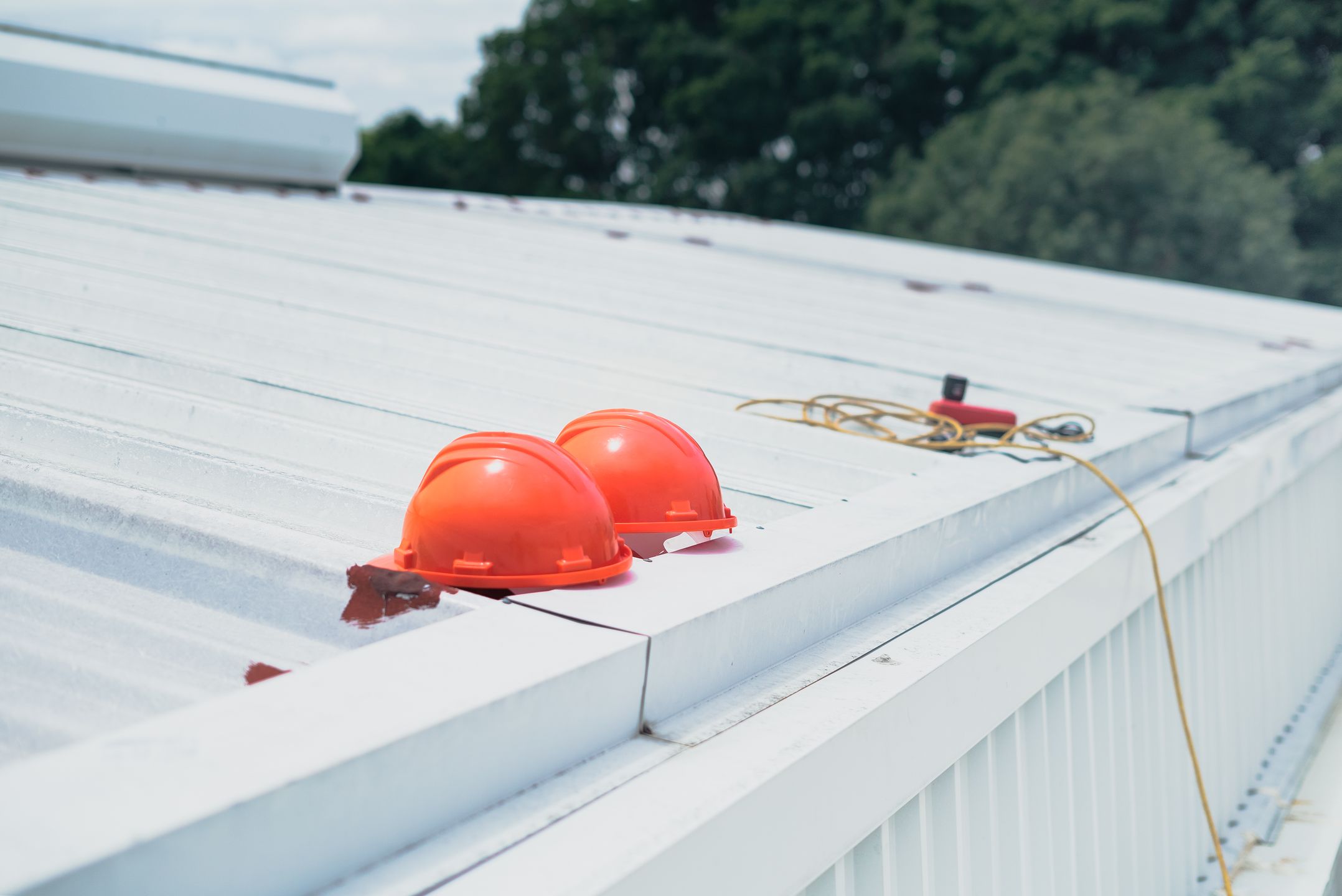
Lockout/Tagout Procedures: The OSHA 1910.147 Basics
OSHA’s lockout/tagout standard spells out a specific 6-step sequence for de-energizing equipment — and a separate 3-step sequence for bringing it back online. Authorized vs. affected employees, group lockout, and machine-specific procedures. Read more →